
Taking care of your health involves more than managing pain when it appears. Whether you are recovering from an injury, experiencing persistent discomfort, improving mobility, or looking for support with everyday movement, choosing the right healthcare service can make a difference.
At Hope 2 Health Physiotherapy, patients in London, Ontario, can access a range of physiotherapy, chiropractic, massage therapy, and rehabilitation services under one roof. Each service addresses different needs, and the right approach depends on your symptoms, medical history, activity level, and personal goals.
This guide explains the services available at Hope 2 Health, what each one involves, and when you may want to consider professional assessment.
1. Physiotherapy in London Ontario
Physiotherapy focuses on movement, physical function, strength, mobility, and rehabilitation. It can help people manage certain musculoskeletal conditions, recover after injuries or surgery, and work toward their everyday activity goals.
A physiotherapist may assess your movement, muscle strength, joint mobility, balance, and functional limitations before recommending a treatment plan.
Physiotherapy treatment may include therapeutic exercises, manual therapy, mobility training, movement education, and gradual return-to-activity planning.
People may seek physiotherapy for back pain, neck pain, shoulder discomfort, sports injuries, joint stiffness, and post-surgical rehabilitation.
The goal is to help patients improve their function and participate more comfortably in daily activities.
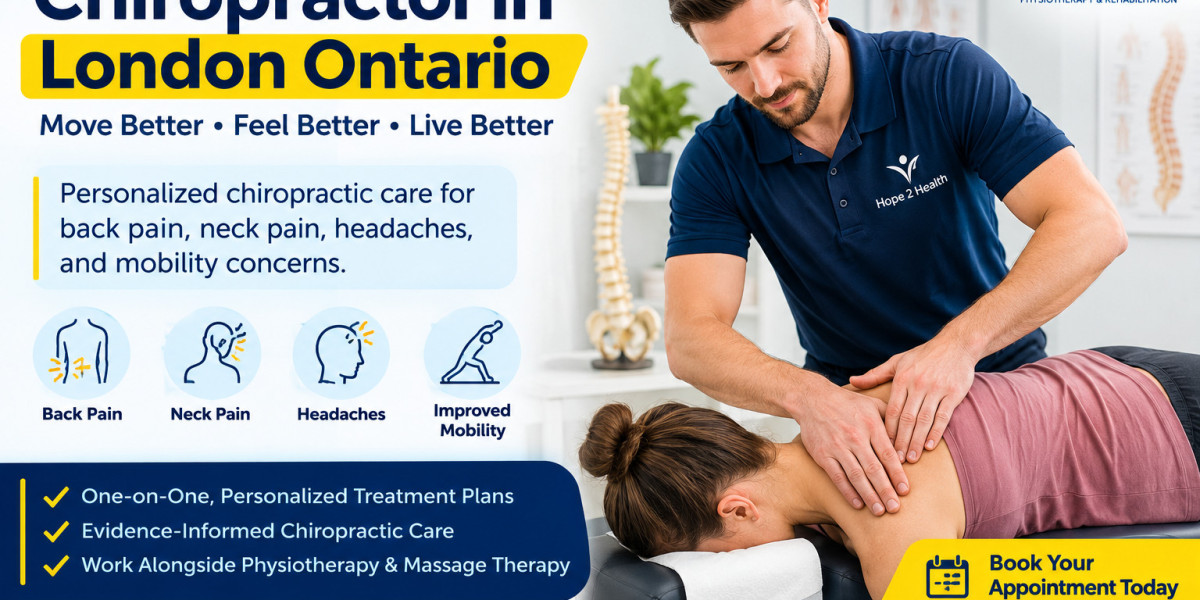
2. Chiropractic Care
Chiropractic care focuses primarily on the musculoskeletal system, including the spine and joints. A chiropractor assesses symptoms and movement limitations to determine which treatment approaches may be appropriate.
Depending on the patient's needs, treatment may include chiropractic adjustments, joint mobilisation, soft tissue techniques, rehabilitative exercises, and movement education.
People may consider chiropractic assessment for certain types of back pain, neck pain, joint stiffness, and other musculoskeletal concerns.
At Hope 2 Health, Dr. Jonathan Kozak provides chiropractic care using an individualised approach.
Learn more: Chiropractor in London Ontario
3. Registered Massage Therapy
Registered Massage Therapy involves the assessment and treatment of soft tissues, including muscles and connective tissues, using appropriate manual techniques.
Massage therapy may help some people manage muscular tension, stress-related muscle discomfort, and certain movement-related complaints. It can also be considered as part of a broader wellness or rehabilitation plan.
Treatment techniques vary according to the individual's needs and may include relaxation massage, deeper pressure techniques, or other suitable approaches.
Before treatment, discuss any injuries, health conditions, recent surgery, or other concerns with your registered massage therapist.
4. Women's Pelvic Floor Physiotherapy
Pelvic floor physiotherapy focuses on the muscles and surrounding structures that support bladder and bowel function, pelvic organs, and aspects of sexual function.
People may seek assessment for pelvic floor weakness, difficulty coordinating pelvic floor muscles, urinary leakage, pelvic discomfort, or certain pregnancy- and postpartum-related concerns.
Treatment depends on the person's symptoms and assessment. It may involve education, tailored exercises, breathing strategies, movement coordination, and other appropriate techniques.
Pelvic floor concerns can affect people at different stages of life. A qualified healthcare professional can help determine whether pelvic floor physiotherapy is suitable for your needs.
5. Pediatric Physiotherapy
Pediatric physiotherapy supports children's movement, physical development, coordination, strength, and functional abilities.
Depending on a child's age and needs, a pediatric physiotherapist may assess movement patterns, balance, muscle function, posture, and developmental skills.
Treatment may use age-appropriate exercises, movement activities, play-based techniques, and guidance for caregivers.
Parents may seek professional advice if they have concerns about their child's movement, balance, coordination, or physical development. An individual assessment helps identify appropriate next steps.
6. Concussion and Vestibular Rehabilitation
Concussion and vestibular rehabilitation may help people experiencing selected symptoms after a concussion or problems involving the balance system.
Depending on the assessment, symptoms may include dizziness, balance difficulties, sensitivity to movement, or challenges returning to normal activities.
A rehabilitation plan may include carefully selected balance exercises, gaze-stabilisation activities, graded physical activity, and guidance on managing symptoms.
Not every person with dizziness or a concussion needs the same treatment. Medical assessment is important when symptoms are new, severe, worsening, or potentially associated with a serious condition.
7. Dry Needling and Acupuncture
Dry needling and acupuncture both involve the use of fine needles, but they are different approaches with different clinical frameworks and intended applications.
Dry needling is generally used by appropriately trained practitioners as part of musculoskeletal treatment. Acupuncture may be offered for different clinical purposes depending on the practitioner's qualifications and approach.
These treatments are not suitable for everyone. Patients should discuss their medical history, medications, concerns, and treatment goals with the practitioner before proceeding.
A qualified provider can explain the expected benefits, possible risks, and alternative treatment options.
8. Shockwave Therapy
Shockwave therapy uses acoustic pressure waves as a treatment option for selected musculoskeletal conditions.
It may be considered for certain persistent tendon or soft tissue problems after an appropriate assessment. Whether it is suitable depends on the affected area, symptoms, medical history, and other clinical factors.
Shockwave therapy is not a universal solution for pain. A practitioner should explain why it is being recommended, what the treatment involves, and how progress will be evaluated.
It may be used alongside exercise-based rehabilitation when appropriate.
9. Sports Injury Rehabilitation
Sports injury rehabilitation helps people recover from injuries and work toward returning to physical activity.
Common concerns may include muscle strains, ligament injuries, joint discomfort, overuse problems, and reduced strength or mobility following an injury.
Rehabilitation may include movement assessment, strengthening, balance exercises, mobility work, and gradual sport-specific activities.
The progression should match the injury, the person's recovery, and the demands of their sport. Returning to activity too quickly may increase the risk of further problems.
10. Chronic Pain Management
Chronic pain is pain that persists or recurs over an extended period. It can affect movement, sleep, work, physical activity, and quality of life.
Managing persistent pain often requires an individualised approach that considers physical, functional, and lifestyle factors.
Depending on the person's needs, care may involve education, graded activity, exercise, movement strategies, and other suitable rehabilitation techniques.
The purpose is to help people develop practical strategies for managing symptoms and improving daily function. Outcomes vary, and treatment should be adjusted according to progress and individual circumstances.
11. Post-Surgical Rehabilitation
After surgery, rehabilitation may help patients gradually rebuild strength, mobility, balance, and confidence with movement.
The appropriate program depends on the type of surgery, healing stage, medical instructions, and individual recovery goals.
Treatment may include prescribed exercises, mobility training, functional movement practice, and a gradual return to daily activities.
Always follow your surgeon's post-operative instructions. Your physiotherapist can work within those guidelines and adapt rehabilitation as your recovery progresses.
12. Workplace Injury Rehabilitation
Workplace injury rehabilitation supports people recovering from injuries or physical problems related to their jobs.
Symptoms may develop from lifting, repetitive movements, prolonged standing, awkward working positions, or workplace accidents.
Rehabilitation may focus on restoring functional ability, improving strength and mobility, and developing strategies for a safe return to work.
Depending on the injury and circumstances, treatment may also involve activity modification and advice about work-related movement demands.
Patients should discuss any workplace injury documentation or Workplace Safety and Insurance Board (WSIB) requirements directly with the clinic and relevant authorities.
13. Motor Vehicle Accident Rehabilitation
A motor vehicle accident can result in a variety of injuries, including neck discomfort, back pain, soft tissue injuries, and movement limitations.
Rehabilitation depends on the injuries sustained and the findings of an appropriate medical and physical assessment.
Treatment may include mobility exercises, strengthening, functional rehabilitation, and other techniques suited to the patient's condition.
Anyone involved in an accident should seek medical assessment when appropriate, particularly after significant trauma or when experiencing concerning symptoms.
If you are seeking rehabilitation following a motor vehicle accident, ask the clinic about its assessment process and the documentation required for your circumstances.
14. Posture Correction and Ergonomic Training
Spending long periods working at a desk, using a computer, or performing repetitive tasks can contribute to discomfort for some people.
Ergonomic guidance focuses on making work and daily environments more suitable for individual needs. Advice may include workstation adjustments, movement breaks, activity variation, and exercises appropriate to the person's condition.
There is no single perfect posture that everyone must maintain all day. Regular movement and a practical setup that suits your body and tasks are often more useful than trying to hold one rigid position.
If discomfort continues, an assessment can help identify possible contributing factors and suitable strategies.
15. Falls Prevention and Seniors' Care
Falls can affect independence, confidence, and mobility, particularly among older adults.
Falls prevention may involve assessing balance, strength, walking ability, mobility, and factors that could increase the likelihood of falling.
Depending on the findings, rehabilitation may include balance training, strength exercises, walking practice, and guidance on safer movement.
Anyone with repeated falls, sudden balance changes, or unexplained dizziness should receive appropriate medical assessment to investigate potential causes.
How Do You Choose the Right Service?
With several treatment options available, it can be difficult to know where to start.
Consider the following steps:
Identify your main concern. Think about whether you need support with pain, mobility, recovery after an injury, balance, pelvic health, or another issue.
Arrange an appropriate assessment. A qualified healthcare professional can evaluate your symptoms and help determine suitable treatment options.
Discuss your goals. Explain what you would like to do more comfortably, whether that means walking, returning to sports, working without discomfort, or managing daily activities.
Ask questions about treatment. Understand the proposed approach, possible risks, alternatives, and how progress will be reviewed.
Review your progress. Your plan may need to change as your symptoms, abilities, and goals change.
Different services may sometimes complement one another, but not every patient needs multiple treatments. The best approach is the one that suits your individual circumstances.
Why Consider a Multidisciplinary Rehabilitation Clinic?
A multidisciplinary clinic offers access to different healthcare services in one location. This can make it easier to ask about suitable care options when your needs change or when more than one type of rehabilitation may be relevant.
At Hope 2 Health Physiotherapy in London, Ontario, available services include physiotherapy, chiropractic care, registered massage therapy, pediatric physiotherapy, pelvic floor physiotherapy, and several rehabilitation options.
The suitability of each service depends on your symptoms, medical history, assessment, and treatment goals.
Frequently Asked Questions
What services does Hope 2 Health Physiotherapy offer?
Hope 2 Health offers physiotherapy, chiropractic care, registered massage therapy, women's pelvic floor physiotherapy, pediatric physiotherapy, concussion and vestibular rehabilitation, dry needling and acupuncture, shockwave therapy, sports injury rehabilitation, chronic pain management, post-surgical rehabilitation, workplace injury rehabilitation, motor vehicle accident rehabilitation, posture and ergonomic training, and falls prevention and seniors' care.
Contact the clinic to confirm the availability and eligibility requirements for a particular service.
Can I receive more than one treatment at the clinic?
Some patients may benefit from different services as part of a coordinated care plan. However, the need for multiple treatments depends on the individual's assessment and goals.
Do I need a referral?
Referral requirements can differ by service, insurance policy, and individual circumstances. Contact the clinic and your insurer to confirm what is required before booking.
Does insurance cover rehabilitation services?
Coverage depends on your insurance plan, the service, practitioner qualifications, and policy limits. Ask your insurer about eligible services, annual limits, and direct billing arrangements.
When should I seek medical care instead of booking rehabilitation?
Seek urgent medical attention for severe or rapidly worsening symptoms, major injuries, sudden weakness, loss of bladder or bowel control, chest pain, difficulty breathing, or other potentially serious symptoms.
Book an Appointment at Hope 2 Health Physiotherapy
Choosing the right healthcare service starts with understanding your needs and getting appropriate guidance. Whether you are recovering from an injury, experiencing persistent discomfort, managing mobility limitations, or seeking support with physical function, a qualified professional can help you explore suitable options.
Hope 2 Health Physiotherapy provides a range of services for patients in London, Ontario, with treatment selected according to individual circumstances.
Hope 2 Health Physiotherapy
Address: 155 Clarke Rd, London, ON N5W 5C9
Phone: (519) 601-9599
Email: info@hope2health.ca
Website: https://hope2health.ca/
Contact the clinic to ask about available services, appointment options, and which assessment may be appropriate for your needs.




