
Melasma is a common skin condition that causes brown, grey-brown, or darker patches to develop on the face. It often appears on the cheeks, forehead, upper lip, and chin, creating an uneven skin tone that can be difficult to manage with ordinary skincare products alone.
For people looking to improve the appearance of pigmentation, Melasma In Manchester offers an opportunity to explore professional skin assessment and personalised treatment options. The most suitable approach depends on the depth of pigmentation, skin type, contributing factors, and individual skincare needs.
At SLA Medical Clinic, individuals can discuss their pigmentation concerns and explore suitable approaches to achieving a more even-looking complexion. Understanding how melasma develops, what treatment options are available, and how long improvement may take can help people make informed decisions about their skincare journey.
What Is Melasma?
Understanding Skin Pigmentation
Melasma is a pigmentation condition associated with increased melanin production in certain areas of the skin. Melanin is the natural pigment responsible for skin colour. When pigment production becomes uneven, darker patches can develop across the complexion.
These patches usually appear gradually and may become more noticeable following sun exposure or hormonal changes. Melasma is particularly common on the face, although its appearance and distribution vary from person to person.
Common Areas Affected by Melasma
Melasma frequently affects areas of the face that receive regular exposure to sunlight.
Common areas include:
- Cheeks and cheekbones
- Forehead
- Upper lip
- Bridge of the nose
- Chin
- Other areas of the face exposed to sunlight
The pigmentation may appear symmetrical, meaning similar patches develop on both sides of the face. However, the pattern can vary according to the individual.
How Melasma Differs From Other Pigmentation Concerns
Not all dark patches are melasma. Other forms of pigmentation include sunspots, post-inflammatory hyperpigmentation, and pigmentation associated with previous skin irritation.
These conditions may look similar but can require different treatment approaches. A professional assessment can help identify the likely cause of the discolouration and guide the selection of suitable skincare or clinical treatments.
What Causes Melasma?
Sun Exposure and Ultraviolet Radiation
Sun exposure is one of the most important factors associated with melasma. Ultraviolet radiation can stimulate pigment-producing cells, increasing the visibility of existing patches and contributing to the development of new discolouration.
Visible light may also influence pigmentation in some skin types. This is one reason why consistent sun protection is an important part of managing melasma.
Hormonal Changes
Hormonal changes can contribute to the development of melasma. Some individuals notice pigmentation during pregnancy or while using hormonal medication, including certain forms of hormonal contraception.
Hormones are not the only cause, and not everyone experiencing hormonal changes develops melasma. Individual susceptibility and environmental factors also play a role.
Genetic Predisposition
Family history can influence the likelihood of developing melasma. People with relatives who experience similar pigmentation may be more susceptible to the condition.
Genetics can affect how the skin responds to sunlight, hormonal changes, and other environmental influences.
Skin Type and Pigment Production
Melasma can occur across different skin tones, although it is often more noticeable and persistent in people with medium to darker skin tones.
Differences in melanin production can influence the appearance of pigmentation and how the skin responds to treatment. For this reason, treatment selection should be tailored to the individual's skin type.
Heat and Environmental Factors
Heat and environmental exposure may contribute to the persistence of pigmentation in some individuals. Daily activities, outdoor exposure, and certain working environments can influence how noticeable melasma becomes.
Understanding these contributing factors can help people identify practical ways to support their treatment plan.
Common Symptoms and Signs of Melasma
Brown or Grey-Brown Patches
The most recognisable sign of melasma is the appearance of darker patches on the skin. These patches may range from light brown to deeper brown or grey-brown, depending on the individual's skin tone and the depth of pigmentation.
The colour may become more pronounced after periods of sun exposure, making consistent skincare and sun protection important parts of ongoing management.
Uneven Facial Skin Tone
Melasma can create an uneven appearance across the cheeks, forehead, and upper lip. Although the skin may feel normal to the touch, the contrast between pigmented and surrounding areas can make the complexion appear less uniform.
Treatment aims to reduce excess pigmentation and improve the overall balance of skin tone.
Pigmentation That Changes Over Time
Melasma can become more or less noticeable depending on environmental exposure, hormonal influences, and the treatment approach being used.
Some people experience improvement during periods of reduced sun exposure, while others find that pigmentation persists without a structured treatment plan.
Available Melasma Treatment Options
Topical Skin-Lightening Treatments
Topical treatments are commonly used to manage melasma. Depending on the individual's skin condition, a healthcare professional may recommend prescription products or suitable skincare ingredients that help reduce excess pigment production.
Options may include azelaic acid, vitamin C, and other pigment-targeting ingredients. Certain prescription treatments, such as hydroquinone or combination creams, may also be considered under appropriate medical supervision. <Cite refs={["turn977349search0","turn977349search4"]}/>
The choice of product depends on skin type, pigmentation severity, previous treatment history, and individual needs.
Chemical Peels for Pigmentation
Chemical peels use selected acids to encourage the removal of superficial skin cells and support skin renewal. Depending on the formulation and treatment plan, they may help improve the appearance of certain forms of pigmentation.
For melasma, peels should be selected carefully and performed by a suitably qualified professional because irritation can sometimes worsen discolouration. They are generally considered an additional treatment option rather than a replacement for daily sun protection and appropriate skincare. <Cite refs={["turn977349search0","turn977349search4"]}/>
Laser and Light-Based Treatments
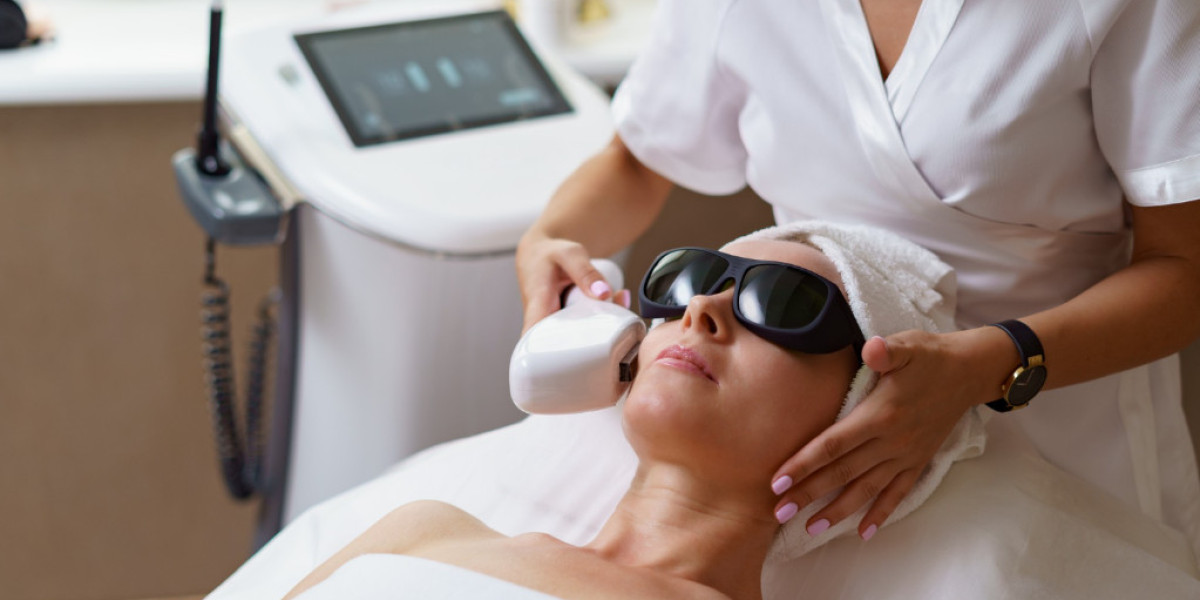
Some laser and light-based procedures target pigment within the skin. They may be considered in selected cases when other approaches have not provided sufficient improvement.
However, melasma can be persistent, and energy-based procedures do not produce the same results for everyone. A qualified professional should assess the pigmentation and determine whether such treatment is appropriate for the individual's skin type and concerns. <Cite refs={["turn977349search3","turn977349search4"]}/>
A Combination Approach to Melasma Care
Melasma often responds best to a coordinated treatment plan rather than relying on a single procedure.
Depending on individual needs, a plan may combine topical products, professional treatments, and consistent sun protection. The aim is to reduce visible pigmentation while helping maintain the improvement achieved over time.
How to Choose the Right Melasma Treatment
Consider the Type and Depth of Pigmentation
Melasma can involve pigment at different depths within the skin. Superficial pigmentation may respond differently from pigment located deeper in the skin.
An assessment can help determine the likely pattern of melasma and guide the choice of treatment.
Take Your Skin Type Into Account
Different skin tones can respond differently to pigment treatments. A treatment that is suitable for one person may not be the best choice for someone with another skin type or a history of pigmentation following irritation.
Personalised treatment selection helps ensure that the approach is aligned with the individual's skin characteristics.
Set Realistic Expectations
Melasma can be persistent, and complete clearance cannot be guaranteed. Treatment usually focuses on reducing the appearance of dark patches, improving skin tone, and maintaining progress.
A consistent plan and realistic expectations can help individuals make informed decisions about their skincare journey.
Melasma Treatment Cost In Manchester
What Influences Treatment Pricing?
The Melasma Treatment Cost In Manchester varies according to the type of treatment, the extent of pigmentation, and the number of appointments required.
Because melasma differs from person to person, the total cost depends on the treatment plan recommended after an assessment.
Factors that may influence pricing include:
- The type of treatment selected
- The size and distribution of the pigmented areas
- The number of sessions required
- Whether topical products or prescription treatments are included
- The complexity of the treatment plan
- Follow-up and maintenance requirements
Comparing Different Treatment Options
Topical skincare, professional chemical peels, and selected laser or light-based procedures involve different treatment processes and costs.
For example, a plan based mainly on topical products may have a different cost structure from one involving several professional treatment sessions.
When comparing options, consider the expected course of treatment and ongoing maintenance rather than focusing only on the price of a single appointment.
Understanding Your Personalised Treatment Plan
At SLA Medical Clinic, you can discuss your pigmentation concerns and ask about the estimated Melasma Treatment Cost In Manchester during your consultation.
It is useful to clarify what the quoted price includes, whether multiple sessions are expected, and whether follow-up appointments or recommended skincare products are charged separately.
This information can help you understand the overall cost before deciding how to proceed.
The Importance of Sun Protection for Melasma
Using Sunscreen Every Day
Sun protection is a central part of melasma management because ultraviolet exposure can darken existing patches and contribute to further pigmentation.
A broad-spectrum sunscreen with SPF 30 or higher is generally recommended, with high-UVA protection. Applying it consistently, including on cloudy days, helps support the treatment plan. <Cite refs={["turn977349search4","turn977349search5"]}/>
Considering Tinted Sunscreen
Visible light can also contribute to melasma, particularly in people with darker skin tones. A tinted sunscreen containing iron oxides may provide additional protection against visible light alongside its UV protection. <Cite refs={["turn977349search2","turn977349search5"]}/>
Choosing a formula that suits your skin tone and feels comfortable to wear can make daily application easier.
Building Sun Protection Into Your Routine
In addition to sunscreen, consider seeking shade during periods of strong sunlight and wearing a wide-brimmed hat when outdoors.
These habits can help limit environmental triggers and support the results of professional treatment.
Creating a Skincare Routine for Uneven Skin Tone
Gentle Cleansing
A gentle cleanser can remove everyday impurities without unnecessarily irritating the skin. Harsh cleansing products and excessive exfoliation may disrupt the skin's surface and make it harder to maintain a consistent routine.
Choose products that suit your skin type and leave your complexion feeling comfortable.
Moisturising Regularly
A suitable moisturiser helps maintain skin hydration and supports the skin barrier. Keeping the skin comfortable is particularly important when using active ingredients as part of a pigmentation-focused routine.
Introducing Active Ingredients Carefully
Ingredients such as azelaic acid and vitamin C may help improve the appearance of uneven skin tone. Other ingredients, including retinoids, may be appropriate for selected individuals depending on their skin condition and treatment goals.
Introduce active products according to professional advice and avoid combining multiple strong products without guidance. Irritation can make pigmentation more noticeable in some people. <Cite refs={["turn977349search4","turn977349search5"]}/>
Maintaining Consistency
A consistent routine is generally more useful than frequently changing products. Melasma often takes time to improve, so it is important to follow the recommended plan and review progress at appropriate intervals.
How Long Does Melasma Treatment Take to Work?
Gradual Changes in Pigmentation
Melasma rarely improves overnight. The time required depends on the depth of pigmentation, treatment approach, skin type, and consistency of care.
Some people begin to notice improvements within several weeks, while more substantial changes may take months. Dermatology guidance notes that treatment can take approximately three to twelve months to produce results, depending on the individual circumstances. <Cite refs={["turn977349search0","turn977349search3"]}/>
Monitoring Your Progress
Keeping track of changes in pigmentation can help you understand how your skin is responding. Photographs taken under similar lighting conditions may make gradual changes easier to recognise.
A practitioner can review your progress and advise whether your current treatment plan should continue or be adjusted.
Maintaining Results Over Time
Melasma may return even after visible improvement. Ongoing sun protection, appropriate skincare, and a personalised maintenance plan can help manage recurrence.
The objective is to maintain a more even-looking complexion while keeping the treatment approach suitable for your skin.
Why Choose SLA Medical Clinic for Melasma Treatment In Manchester?
A Personalised Approach to Pigmentation
Every person's skin has different characteristics, and pigmentation can develop for several reasons. A personalised assessment can help identify the concerns that matter most to you and establish an appropriate treatment approach.
At SLA Medical Clinic, you can discuss uneven skin tone, the appearance of dark patches, and your expectations for treatment.
Treatment Planning Around Your Skin Goals
Whether you are concerned about pigmentation on your cheeks, forehead, or upper lip, treatment planning should reflect your individual skin condition and goals.
A tailored approach helps determine which treatments may be suitable and what degree of improvement may be realistic.
Guidance on Skincare and Maintenance
Melasma care often involves more than a single appointment. Daily skincare, sun protection, and ongoing maintenance can all contribute to managing the condition.
Discussing these elements during your consultation can help you understand how professional treatment fits into your wider skincare routine.
Clear Information About Treatment Costs
Understanding the expected cost and number of sessions is an important part of planning care.
You can ask about the Melasma Treatment Cost In Manchester, the options available for your skin, and any maintenance that may be recommended before making a decision.
Frequently Asked Questions About Melasma Treatment In Manchester
What is the best treatment for melasma?
There is no single treatment that works best for everyone. Management may involve topical products, prescription treatments, selected professional procedures, and consistent sun protection. The appropriate combination depends on the individual's skin type and pigmentation.
Can melasma be completely removed?
Melasma can often be improved, but complete and permanent removal cannot be guaranteed. It may return following sun exposure or other triggers, so maintenance is often important.
How long does melasma treatment take?
Treatment may take several weeks to several months to produce noticeable improvement. More persistent pigmentation can require a longer treatment plan.
Can sunscreen help improve melasma?
Consistent sun protection helps prevent existing pigmentation from becoming darker and supports the effectiveness of other treatments. Tinted sunscreen containing iron oxides may provide additional protection against visible light.
Are chemical peels suitable for melasma?
Chemical peels may help selected individuals, but the type and strength of peel must be chosen carefully. A qualified professional can determine whether a peel is appropriate for your skin.
Can laser treatment help with melasma?
Selected laser or light-based procedures may be considered in certain cases. Their suitability depends on skin type, pigment depth, and previous treatment response. They are not appropriate for everyone.
Does melasma affect only women?
No. Melasma can affect people of any sex, although hormonal influences mean it is particularly common among women.
How much does melasma treatment cost in Manchester?
The Melasma Treatment Cost In Manchester depends on the procedure, the extent of pigmentation, the number of sessions, and any recommended skincare products. A consultation can help establish the expected cost for your individual plan.
Can I manage melasma with skincare alone?
Some people achieve improvement with an appropriate topical routine and consistent sun protection. Others may need prescription treatments or professional procedures. A suitable plan depends on the type and severity of pigmentation.
Will melasma return after treatment?
Melasma can recur, particularly following sun exposure or other contributing triggers. Continued sun protection and an appropriate maintenance routine can help manage the condition over time.
Book a Melasma Treatment Consultation In Manchester
Uneven skin tone and persistent dark patches can make it difficult to achieve the complexion you want. Understanding the causes of melasma and the available treatment options is an important first step towards managing pigmentation.
Melasma Treatment in Manchester provides an opportunity to explore personalised approaches to improving the appearance of dark patches and achieving a more balanced-looking complexion.
At SLA Medical Clinic, you can discuss your skin concerns, learn about suitable treatment options, and ask about the Melasma Treatment Cost In Manchester as part of your consultation.
With an appropriate treatment plan, consistent skincare, and daily sun protection, it may be possible to improve the appearance of melasma and maintain a more even-looking skin tone over time.




