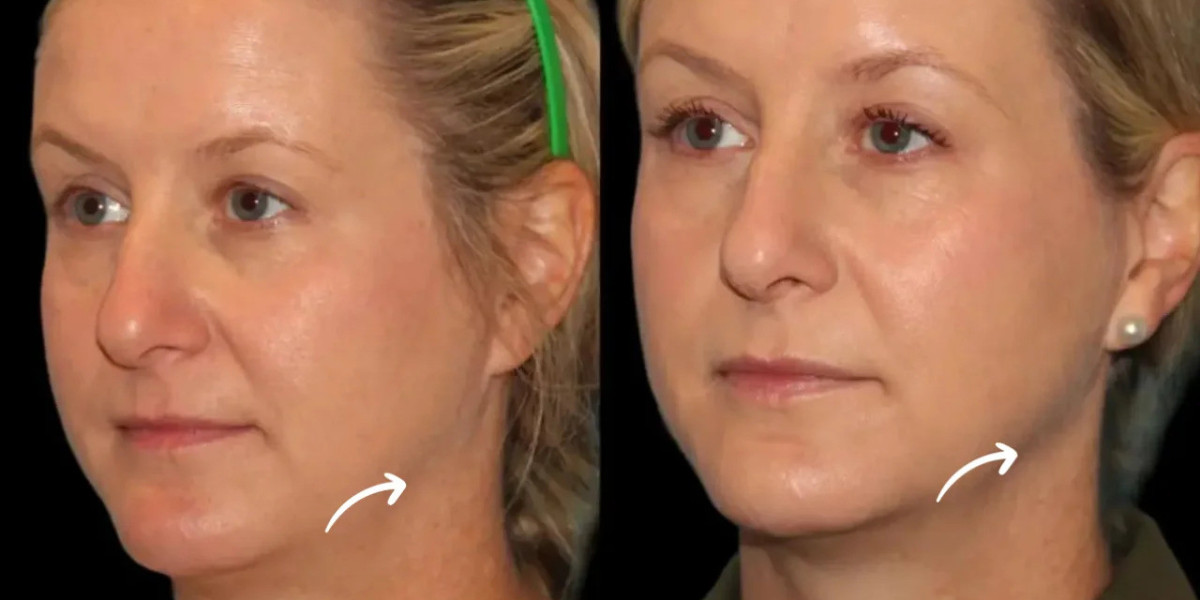

Changes in midsection skin quality can occur because of aging, weight fluctuations, pregnancy, reduced collagen production, and changes in the skin's natural elasticity. Some people notice that their abdominal skin feels thinner, appears less firm, or develops a crepey texture even when their body weight remains stable. Understanding these changes is important when exploring aesthetic treatments designed to support skin quality.
When researching the Best Plastic Surgeon in Dubai, patients should consider qualifications, experience, knowledge of body anatomy, and the ability to explain realistic treatment outcomes. Sculptra is an injectable treatment that stimulates the body's collagen production and may be considered for selected aesthetic concerns. However, its suitability for the midsection depends on the treatment area, skin condition, individual health factors, and the product's approved indications.
At Perfect Doctors Clinic, discussions about Sculptra in Dubai should focus on informed decision-making, individualized assessment, and realistic expectations. Dr Perfect Celebrity can help patients understand the available options, potential limitations, and whether a collagen-stimulating treatment aligns with their aesthetic goals.
Understanding Midsection Skin Quality and Collagen Loss
The midsection includes the abdomen, waist, and surrounding areas. Skin quality in these regions varies considerably between individuals because of differences in genetics, age, sun exposure, body composition, and previous weight changes.
Collagen is a structural protein that contributes to the skin's firmness and support. Elastin helps the skin stretch and return toward its original shape. As these components change with age, the skin may gradually lose some of its resilience.
Several factors can contribute to changes in abdominal skin.
Aging: Natural collagen production declines over time, potentially contributing to thinner, less resilient skin.
Weight fluctuations: Repeated changes in body size can stretch the skin and affect its appearance.
Pregnancy: Abdominal expansion may leave loose skin, stretch marks, or changes in texture.
Sun exposure: Ultraviolet radiation can accelerate collagen breakdown in exposed areas.
Lifestyle factors: Smoking, inadequate nutrition, and other lifestyle influences may affect skin health.
Individual skin characteristics: Genetics and the amount of previous skin stretching influence how the skin responds to treatment.
It is important to distinguish between poor skin texture, mild laxity, excess skin, and underlying fat distribution. These concerns may look similar but require different approaches. A collagen-stimulating injectable cannot reliably correct substantial excess skin or replace surgery when significant tissue removal is necessary.
What Is Sculptra and How Does It Work?
Sculptra fillers are injectable treatments based on poly-L-lactic acid (PLLA), a biodegradable synthetic material that stimulates collagen production through a controlled tissue response. Unlike traditional fillers that primarily provide immediate volume, Sculptra works gradually as the body produces new collagen.
The initial appearance after treatment can be influenced by the injected fluid and temporary swelling. These early changes should not be mistaken for the final result. Over subsequent weeks and months, collagen remodeling may contribute to changes in tissue support and skin appearance.
The treatment process generally involves several considerations:
An assessment of the treatment area's anatomy and skin condition.
A review of medical history, medications, allergies, and previous procedures.
Discussion of treatment objectives and appropriate alternatives.
A customized treatment plan based on the product's approved instructions and clinical judgment.
Follow-up appointments to evaluate the response and identify possible complications.
Although Sculptra is commonly associated with facial aesthetic treatments, its use in body areas requires particular care. Midsection treatment should not be assumed appropriate simply because the product stimulates collagen. The clinician must assess whether the intended use is supported by relevant evidence, product guidance, and applicable regulations.
Why Consider the Best Plastic Surgeon in Dubai for Midsection Concerns?
Choosing a qualified professional is an important part of any injectable treatment decision. The phrase Best Plastic Surgeon in Dubai is often used when researching aesthetic care, but there is no single practitioner who is automatically the best choice for every patient.
A careful selection process should prioritize relevant qualifications, appropriate licensing, experience with the proposed treatment, and the ability to discuss both benefits and risks.
A qualified practitioner should be able to explain whether an injectable is appropriate for the specific abdominal concern or whether another option may offer a more predictable outcome.
Evaluating Medical Qualifications and Experience
Patients should verify the practitioner's professional credentials and confirm that the clinician is authorized to provide the proposed treatment. Experience with facial injections alone does not necessarily establish expertise in treating the abdomen or other body areas.
Midsection anatomy differs from facial anatomy in skin thickness, tissue movement, fat distribution, and mechanical stress. These factors influence treatment planning and the likelihood of achieving a visible improvement.
Personalized Assessment at Sculptra Fillers Clinic in Dubai
At Perfect Doctors Clinic, a Sculptra Fillers Clinic in Dubai consultation with Dr Perfect Celebrity can provide an opportunity to discuss skin texture, laxity, medical history, and aesthetic priorities.
The assessment should determine whether the primary concern involves mild skin-quality changes, substantial loose skin, stretch marks, or changes in underlying body composition. Each concern may require a different treatment strategy.
A responsible consultation should also explain when Sculptra is not the most appropriate choice. Patients should never feel pressured to proceed with injections if the expected benefits are uncertain.
How Sculptra May Relate to Midsection Skin Quality
Sculptra's collagen-stimulating mechanism makes it relevant to discussions about tissue support, but expectations for abdominal treatment must remain evidence-based. The amount of improvement, if any, depends on the individual's tissue characteristics, treatment approach, and the suitability of the intended use.
It is essential to understand that collagen stimulation does not automatically translate into significant skin tightening.
Skin Texture and Surface Appearance
Some patients seek aesthetic care because their abdominal skin looks less smooth or appears crepey. Skin texture can be influenced by hydration, sun damage, stretch marks, and structural changes beneath the surface.
A clinician should determine whether collagen stimulation is a reasonable consideration or whether treatments specifically designed for texture, such as selected resurfacing procedures, may be more appropriate.
Mild Skin Laxity
Mild laxity refers to skin that has lost some firmness without forming substantial folds. Depending on the underlying cause, selected non-surgical treatments may offer limited improvement.
However, Sculptra should not be presented as a guaranteed skin-tightening procedure. Its role in the midsection requires careful evaluation of available clinical evidence and the specific product's approved use.
Loose Skin Following Weight Loss
Significant weight loss can leave excess abdominal skin that does not retract fully. This differs from the mild collagen changes associated with natural aging.
In cases involving substantial skin excess, surgical consultation may be more appropriate than an injectable treatment. Patients seeking the Celebrity Doctor in Dubai should ask about the likely benefits, limitations, recovery requirements, and alternatives for their particular condition.
Sculptra Dermal Filler: Understanding Treatment Limitations
The term Sculptra dermal filler is often used when discussing PLLA-based aesthetic treatments. However, Sculptra's mechanism differs from that of conventional hyaluronic acid fillers, and it should not be treated as a universal solution for every skin concern.
For midsection skin, important limitations include:
It does not remove excess skin.
It is not a weight-loss treatment.
It does not reliably eliminate stretch marks.
It cannot guarantee a specific degree of firmness.
It is not a substitute for abdominal surgery when substantial tissue removal is needed.
It may not be suitable for every body area or every patient.
Patients should ask whether the proposed use is supported by product labeling, appropriate clinical evidence, and local regulatory requirements. If a treatment is being considered outside its approved indications, the clinician should explain this clearly and discuss the supporting evidence and additional uncertainties.
What About Sculptra for the Face and Neck?
Sculptra face treatments are commonly discussed in relation to gradual facial volume support and collagen stimulation. The cheeks and other facial areas have distinct anatomical characteristics and established treatment considerations.
Similarly, Sculptra for neck concerns require separate evaluation because neck skin is relatively delicate and responds differently from abdominal tissue.
These applications should not be used as proof that the same treatment will produce equivalent results in the midsection. Each anatomical area requires its own assessment, technique, safety considerations, and evidence review.
Comparing Midsection Concerns With Other Sculptra Applications
People researching Sculptra fillers may encounter information about facial rejuvenation, buttock contouring, and hip dips. Understanding these differences can prevent unrealistic expectations about abdominal treatment.
Sculptra for Buttocks and Hip Dips
Sculptra for buttocks is a term used to describe aesthetic approaches intended to improve contour through collagen stimulation. Some patients also search for sculptra buttock injections, buttocks sculptra, or sculptra filler for buttocks when exploring non-surgical body contouring.
Likewise, Sculptra for hip dips may be discussed in relation to the appearance of indentations along the outer hips.
These applications have their own safety considerations, evidence limitations, and regulatory questions. Patients should not assume that injections are suitable for every buttock or hip area. The risks associated with injections into larger body regions can be significant, and product approval for one area does not establish approval for another.
Sculptra Cheeks and Facial Volume
Sculptra cheeks treatments address concerns involving facial contour and volume support. Facial treatments generally require precise knowledge of facial anatomy and careful planning to reduce the risk of complications.
Abdominal skin concerns are different because the area has different structural demands and may be affected by pregnancy, weight changes, and excess tissue.
Understanding these distinctions helps patients avoid selecting a treatment simply because it is popular for another part of the body.
Consultation and Treatment Planning for Midsection Skin
A detailed consultation should establish the patient's goals and identify the safest, most appropriate approach. The practitioner should examine the area, explain the available evidence, and determine whether injectable treatment is justified.
Important consultation questions include:
Is the concern mainly skin texture, mild laxity, stretch marks, or excess skin?
Is Sculptra an appropriate and supported option for this particular area?
What level of improvement is realistic?
Are other treatments better suited to the concern?
What side effects and complications should be considered?
How many sessions might be proposed, and why?
What follow-up care would be required?
Medical History and Suitability
Medical history can affect treatment decisions. The clinician should review relevant allergies, current medications, previous aesthetic procedures, history of unusual scarring, active skin problems, and other factors that could affect healing or increase risk.
Patients should disclose all relevant information and avoid withholding details to qualify for a treatment.
Setting Realistic Goals
A realistic goal might involve seeking a modest improvement in the appearance of selected skin-quality concerns rather than expecting dramatic tightening or complete removal of stretch marks.
Before-and-after photographs, when used appropriately and with consent, can help document changes over time. Photographs should be taken under consistent lighting and positioning to make comparisons more meaningful.
Patients should also understand that individual results vary and that no responsible provider can guarantee a particular cosmetic outcome.
Sculptra Injections: Safety, Side Effects, and Aftercare
Sculptra injections involve introducing material into tissue, so treatment carries potential risks even when performed by an appropriately qualified clinician.
Possible reactions include:
Swelling and tenderness.
Bruising or redness.
Temporary discomfort.
Inflammation at the injection site.
Palpable lumps or nodules.
Delayed inflammatory reactions.
Infection or other injection-related complications.
The nature and likelihood of complications depend on the treatment area, technique, patient factors, and the product's use. Some complications may develop after the initial recovery period and require medical assessment.
Patients should receive written aftercare instructions appropriate to the treatment performed. They should not automatically apply facial aftercare recommendations to abdominal treatment because instructions can vary according to the procedure and product guidance.
Recognizing When to Seek Medical Advice
Contact the treating clinician if swelling, pain, redness, or lumps persist or worsen unexpectedly. Seek urgent medical assessment for severe or rapidly worsening symptoms, spreading redness with fever, significant skin discoloration, or other concerning changes.
Patients should not attempt to massage, manipulate, or treat a suspected complication without appropriate clinical guidance.
Understanding Sculptra Cost and Price in Dubai
The Sculptra cost and Sculptra price depend on several factors, including the proposed treatment area, the amount of product required, the number of sessions, consultation fees, and follow-up arrangements.
For midsection concerns, pricing should be considered only after the clinician has established whether the proposed treatment is appropriate. A lower price is not necessarily better value if the treatment lacks a clear clinical rationale or if the provider cannot explain the risks.
When discussing costs at Perfect Doctors Clinic, patients can ask for a transparent breakdown covering:
Consultation and assessment fees.
Product quantity and associated charges.
The expected number of appointments.
Follow-up visits.Management of potential complications, including any additional fees.
There is no single price that applies to every patient. The cost of treatment should reflect an individualized plan rather than a fixed promise of a particular result.
Choosing a Best Aesthetic Clinic in Dubai for Injectable Treatments
When comparing options for a Best Aesthetic Clinic in Dubai, patients should look beyond marketing claims and promotional offers. A suitable clinic should prioritize patient safety, clear communication, appropriate credentials, and transparent treatment planning.
A Sculptra Fillers Clinic in Dubai should be able to explain the product's mechanism, identify appropriate indications, and acknowledge the limits of the available evidence for the proposed area.
Consider these factors when evaluating a clinic:
Verification of practitioner qualifications and licensing.
Clear information about the product being used.
Appropriate assessment of the treatment area.
Discussion of alternatives, risks, and expected recovery.
Written consent and aftercare instructions.
A reliable process for follow-up and complication management.
Transparent pricing without pressure to purchase additional sessions.
The best choice is one that provides an evidence-informed recommendation, even when that recommendation means avoiding an injectable procedure.
Conclusion
Midsection skin quality can change because of aging, pregnancy, weight fluctuations, sun exposure, and natural differences in collagen and elastin. Although Sculptra stimulates collagen production, its suitability for abdominal skin concerns must be evaluated carefully, and it should not be presented as a guaranteed method of skin tightening or excess-skin removal.
When researching the Best Plastic Surgeon in Dubai, patients should prioritize relevant qualifications, anatomical knowledge, honest communication, and individualized treatment planning. At Perfect Doctors Clinic, Dr Perfect Celebrity can discuss aesthetic goals, relevant treatment options, potential risks, and realistic expectations.
A careful assessment helps determine whether a collagen-stimulating injectable is appropriate or whether another approach may better address the concern. Informed decisions, transparent costs, and appropriate follow-up are essential components of responsible aesthetic care.
Frequently Asked Questions
1. Can Sculptra improve midsection skin quality?
Sculptra stimulates collagen production, but its effectiveness and suitability for the midsection depend on the treatment area and available clinical evidence. It should not be assumed to provide predictable abdominal skin tightening.
2. Is Sculptra suitable for loose abdominal skin after weight loss?
It may not be appropriate for substantial loose skin. When excess tissue is the primary concern, a surgical assessment may provide a clearer understanding of suitable options.
3. How does Sculptra differ from traditional dermal fillers?
Sculptra uses poly-L-lactic acid to stimulate collagen production gradually. Many traditional hyaluronic acid fillers provide more immediate volume and have different properties, indications, and reversal options.
4. How long does it take to see Sculptra results?
Changes develop gradually over weeks to months. Early swelling or temporary fullness should not be considered the final result, and individual responses vary.
5. Can Sculptra remove abdominal stretch marks?
Sculptra is not a guaranteed stretch-mark removal treatment. Stretch marks involve changes in the skin's structural layers, and suitable treatment depends on their characteristics and the patient's goals.
6. What should I look for when choosing the Best Plastic Surgeon in Dubai?
Verify professional qualifications, licensing, relevant experience, and familiarity with the proposed treatment area. Choose a practitioner who explains risks, alternatives, realistic outcomes, and follow-up requirements without making guarantees.
7. What factors affect Sculptra cost in Dubai?
The cost may depend on consultation fees, product quantity, the number of sessions, the treatment area, and follow-up arrangements. Request a complete price breakdown before agreeing to treatment.
8. Is Sculptra for buttocks the same as Sculptra for the abdomen?
No. The areas have different anatomical characteristics and treatment considerations. Evidence or approval for one area does not establish that the product is suitable for another.
9. What side effects can occur after Sculptra injections?
Possible effects include swelling, bruising, tenderness, redness, lumps, nodules, and inflammatory reactions. Infection and other complications are also possible, so patients should follow their clinician's instructions and seek assessment for concerning symptoms.
10. Can I discuss Sculptra treatment planning at Perfect Doctors Clinic?
Yes. A consultation with Dr Perfect Celebrity at Perfect Doctors Clinic can help you discuss your skin-quality concerns, medical history, aesthetic goals, potential treatment options, and the limitations of injectable procedures. The assessment should establish whether the proposed approach is appropriate for your individual needs.