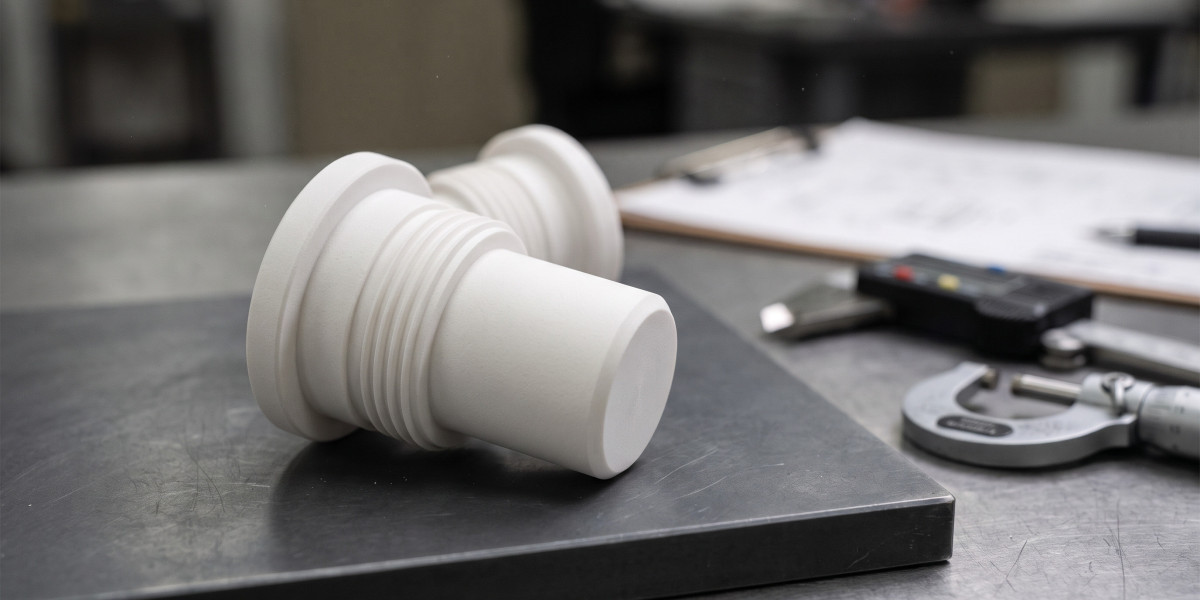

An alumina plug is a specialized component made from alumina ceramic or alumina-based ceramic fibers, depending on its intended purpose. It is designed to close openings, provide insulation, control heat, protect equipment, or support specific industrial processes. Alumina is a material known for its hardness, thermal stability, electrical insulation, and resistance to wear. These properties make alumina plugs useful in furnaces, laboratories, metal casting facilities, electrical equipment, and other industrial environments. However, the design and composition of an alumina plug can vary significantly between applications. Understanding its material, functions, benefits, and limitations helps users select the appropriate plug for their equipment and operating conditions.
What Is an Alumina Plug?
An alumina plug is a component manufactured from alumina ceramic, alumina-based fibers, or a related ceramic formulation. Its primary purpose depends on the equipment in which it is installed. Some alumina plugs are dense and rigid, making them suitable for electrical insulation, precision equipment, and specialized industrial assemblies. Other plugs are lightweight and fibrous, allowing them to provide thermal insulation or help close openings in high-temperature furnaces. Alumina itself is aluminum oxide, a ceramic material valued for its mechanical strength, heat resistance, and chemical stability. Because different plugs serve different functions, it is important to understand whether a particular product is designed for sealing, insulation, protection, or another industrial purpose.
What Is an Alumina Plug Made Of?
The composition of an alumina plug depends on its design and intended application. Dense ceramic plugs are primarily made from aluminum oxide powder, which is shaped and fired to produce a hard, durable component. Some formulations contain additional ingredients that influence strength, toughness, manufacturing behavior, or other properties. Alumina fiber plugs, by contrast, may contain alumina fibers, silica, and other ceramic materials selected for thermal insulation and high-temperature performance. These fibers are formed into a suitable shape using specialized manufacturing processes. The difference in composition affects the plug's density, flexibility, thermal conductivity, and mechanical strength. Choosing the correct formulation is essential because a rigid ceramic plug and a lightweight insulation plug are not suitable for exactly the same tasks.
Main Properties of an Alumina Plug
Alumina plugs offer several useful properties that make them suitable for demanding industrial applications. Dense alumina ceramics are hard, wear-resistant, electrically insulating, and dimensionally stable under suitable operating conditions. They can also resist many chemicals and maintain their structure at elevated temperatures. Alumina fiber plugs have different characteristics because their porous structure is designed to reduce heat transfer and provide insulation. Their performance depends on the fiber composition, density, manufacturing quality, and temperature rating. Although alumina-based products can perform well in challenging environments, their properties are not identical. Users should review the manufacturer's specifications to determine whether a plug can withstand the actual temperature, mechanical loading, chemical exposure, and operating atmosphere.
How Does an Alumina Plug Work?
An alumina plug works by performing a specific function within a piece of equipment. In a furnace, a ceramic fiber plug may help close an opening, limit unwanted heat loss, or control the movement of molten material through a designated outlet. In electrical equipment, a dense alumina plug can provide insulation between conductive components and surrounding structures. In specialized industrial machinery, a precision ceramic plug may protect an opening or provide a wear-resistant contact surface. The exact working principle depends on the plug's shape, material, installation method, and intended use. Correct fitting is particularly important because an unsuitable plug may allow leakage, create excessive stress, interfere with heat distribution, or fail under operating conditions.
Alumina Plug for High-Temperature Applications
High-temperature performance is an important reason for using alumina-based plugs in industrial equipment. Suitable ceramic formulations can maintain their structure and useful properties in environments where many conventional plastics or other materials would soften or degrade. Dense alumina components are used in selected furnace assemblies, laboratory equipment, and high-temperature electrical systems. Ceramic fiber plugs are designed for insulation and sealing applications where reduced heat transfer is important. However, the maximum operating temperature depends on the specific material grade, atmosphere, duration of exposure, and mechanical conditions. A product's classification temperature should not automatically be treated as its recommended continuous operating temperature. Users should select a plug according to the manufacturer's guidance and the actual conditions of the application.
Alumina Plug in Furnace Systems
Furnace systems may use alumina-based plugs to support thermal management, insulation, and process control. In some tube furnaces, insulation plugs help define the heated region and reduce unwanted heat movement through open ends. This can contribute to more consistent processing conditions and help limit temperature gradients that may place stress on furnace components. Ceramic fiber plugs may also be used in certain metallurgical furnaces to close designated openings or support the controlled movement of molten metals. The design must match the furnace structure, operating temperature, atmosphere, and process requirements. Incorrect sizing or unsuitable material selection can compromise insulation, interfere with the process, or increase the risk of component damage.
Alumina Fiber Plug for Metal Casting
An alumina fiber plug is a specialized component used in certain metal casting and smelting operations. It may be manufactured from alumina-containing ceramic fibers and other suitable materials to create a lightweight, heat-resistant shape. Depending on its design, the plug can be used to close or control an outlet in equipment handling molten aluminum or other metals. Its purpose may include supporting controlled discharge, reducing unwanted leakage, and helping maintain the intended operating conditions. These applications require careful material selection because molten metals create demanding thermal and mechanical conditions. The plug must be compatible with the metal, furnace design, operating temperature, and expected contact conditions. Proper installation and replacement procedures are essential for safe operation.
Alumina Plug for Electrical Insulation
Dense alumina ceramic is widely valued for its electrical insulating properties. An alumina plug designed for electrical applications can help separate conductive parts, protect sensitive components, or maintain insulation within specialized equipment. This makes it useful in selected high-temperature assemblies, laboratory instruments, sensors, and electrical systems. Alumina can provide electrical insulation while maintaining useful mechanical and thermal properties. However, electrical performance depends on the ceramic grade, temperature, surface condition, moisture, and electrical stresses involved. Not every alumina plug is designed to serve as an electrical insulator, so the product specification must match the intended use. Electrical components should always be selected according to the applicable safety requirements and equipment design.
Alumina Plug in Laboratory Equipment
Laboratories use specialized ceramic components when equipment requires heat resistance, chemical stability, or electrical insulation. An alumina plug may be used in selected furnace assemblies, sample-processing equipment, experimental systems, or other laboratory devices. Dense ceramic plugs can provide a rigid, stable component, while fibrous plugs may help reduce heat transfer around an opening. Alumina is useful in laboratory environments because suitable grades can tolerate many demanding conditions. Nevertheless, chemical compatibility should not be assumed for every substance, especially when strong chemicals, high temperatures, or unusual operating atmospheres are involved. Before choosing a plug, laboratory personnel should consider the chemicals being used, the required temperature range, the equipment dimensions, and the possibility of mechanical stress.
Benefits of Using an Alumina Plug
The main benefits of an alumina plug depend on whether it is made from dense ceramic or ceramic fibers. Dense alumina components offer hardness, electrical insulation, wear resistance, and dimensional stability. These characteristics are useful in precision equipment and applications involving mechanical contact or electrical separation. Alumina fiber plugs provide insulation and can be shaped for particular furnace and metal-processing applications. Both types can offer advantages in environments where conventional materials may not provide suitable heat resistance or durability. Custom manufacturing also allows plugs to be designed for specific openings, equipment configurations, and operating requirements. Selecting the correct product helps improve equipment performance, but the benefits depend on proper installation, suitable operating conditions, and regular inspection.
Alumina Plug and Chemical Resistance
Chemical resistance is another useful property of suitable alumina ceramic materials. Dense alumina can resist many corrosive environments and is used in selected chemical-processing and laboratory applications. Its performance depends on the purity of the ceramic, the chemical involved, its concentration, the temperature, and the duration of exposure. Alumina fiber products may behave differently because their composition, porosity, and binders can influence their chemical compatibility. A plug that performs well in one environment may not be suitable for another. Before using an alumina plug around corrosive liquids, gases, or process materials, users should confirm compatibility with the manufacturer. This helps prevent unexpected degradation, contamination, leakage, or equipment failure.
Limitations of an Alumina Plug
Although alumina plugs offer useful performance characteristics, they also have limitations. Dense alumina ceramic is hard but brittle, which means it may crack or chip when subjected to impact, excessive bending, or unsuitable mechanical stress. Sudden temperature changes can also create thermal stress and damage certain ceramic components. Alumina fiber plugs have different mechanical properties and may be unsuitable for applications requiring a rigid, precision-machined surface. Chemical resistance and maximum operating temperature also vary between products. These limitations make proper specification and careful handling important. Users should avoid forcing a plug into an opening, exposing it to unapproved conditions, or assuming that every alumina-based product can perform the same function.
How to Choose the Right Alumina Plug
Choosing the right alumina plug begins with identifying its intended purpose. A plug for furnace insulation may require a lightweight fibrous structure, while an electrical assembly may need a dense ceramic component with suitable insulating properties. Users should consider the operating temperature, chemical exposure, required dimensions, mechanical loads, installation method, and expected service life. For metal casting, compatibility with the molten material and the furnace design is particularly important. The product's density, porosity, material grade, and thermal characteristics may also affect performance. Reviewing technical specifications and consulting the manufacturer can help prevent incorrect selection. A properly matched alumina plug is more likely to provide dependable performance and reduce unnecessary maintenance or replacement.
Installation and Maintenance of an Alumina Plug
Proper installation helps an alumina plug perform as intended and reduces the risk of damage. Before installation, inspect the component for cracks, chips, deformation, or other visible defects. Confirm that its dimensions and material specification match the equipment requirements. Install the plug according to the manufacturer's instructions, avoiding excessive force that could damage a brittle ceramic component. For high-temperature applications, follow the specified heating and cooling procedures because rapid temperature changes may create thermal stress. Regular inspections can help identify wear, cracks, loose fitting, or changes in sealing performance. Damaged plugs should be evaluated and replaced when necessary. Appropriate maintenance practices depend on the application and should follow the equipment manufacturer's recommendations.
Frequently Asked Questions About Alumina Plug
What Is an Alumina Plug Used For?
An alumina plug is used for purposes such as insulation, sealing, electrical isolation, and protection in specialized equipment. Its exact function depends on its material, shape, and application. Common uses include furnace systems, laboratory equipment, electrical assemblies, and certain metal casting processes.
Is an Alumina Plug Heat Resistant?
Suitable alumina ceramic and alumina fiber plugs can provide high-temperature performance. However, their temperature limits differ according to composition, density, manufacturing quality, and operating conditions. Always check the product specification before using a plug in a heated environment.
Is an Alumina Plug Made From Pure Alumina?
Not every alumina plug is made from pure aluminum oxide. Dense ceramic plugs may contain different alumina grades and carefully selected additives, while alumina fiber plugs may contain silica and other ceramic ingredients. The exact composition depends on the intended application.
Can an Alumina Plug Be Used in a Furnace?
Yes, certain alumina plugs are designed for furnace applications. They may provide insulation, help close an opening, or support process control. The selected plug must be compatible with the furnace design, operating atmosphere, temperature, and intended function.
Is an Alumina Plug Electrically Insulating?
Dense alumina ceramic generally provides excellent electrical insulation. However, a plug should only be used for electrical isolation when its material grade, dimensions, and electrical specifications meet the requirements of the application.
What Can Damage an Alumina Plug?
Impact, excessive mechanical stress, incorrect installation, sudden temperature changes, and unsuitable chemical exposure can damage an alumina plug. Dense ceramic components are particularly vulnerable to chipping and cracking if handled improperly.
How Do You Select the Right Alumina Plug?
The correct plug should be selected according to its purpose, dimensions, material composition, operating temperature, chemical environment, mechanical loading, and installation requirements. Manufacturer specifications are important for confirming suitability.
Can an Alumina Plug Be Customized?
Yes, certain alumina plugs can be manufactured in customized shapes and dimensions to fit specific equipment. Customization may be useful when standard components do not meet the required sealing, insulation, or installation needs. The design must remain compatible with the material's mechanical and thermal limitations.
Conclusion
An alumina plug is a useful ceramic component designed for specialized industrial, laboratory, electrical, and high-temperature applications. Depending on its construction, it may provide thermal insulation, electrical isolation, sealing, or protection against wear and demanding operating conditions. Dense alumina ceramic plugs and alumina fiber plugs have different properties, so selecting the correct type is essential. Factors such as temperature, chemical exposure, mechanical stress, dimensions, and installation requirements should guide the selection process. Although alumina-based materials offer valuable advantages, they must be handled and used according to their specifications. With proper selection, installation, and maintenance, an alumina plug can support reliable equipment operation in demanding environments.





