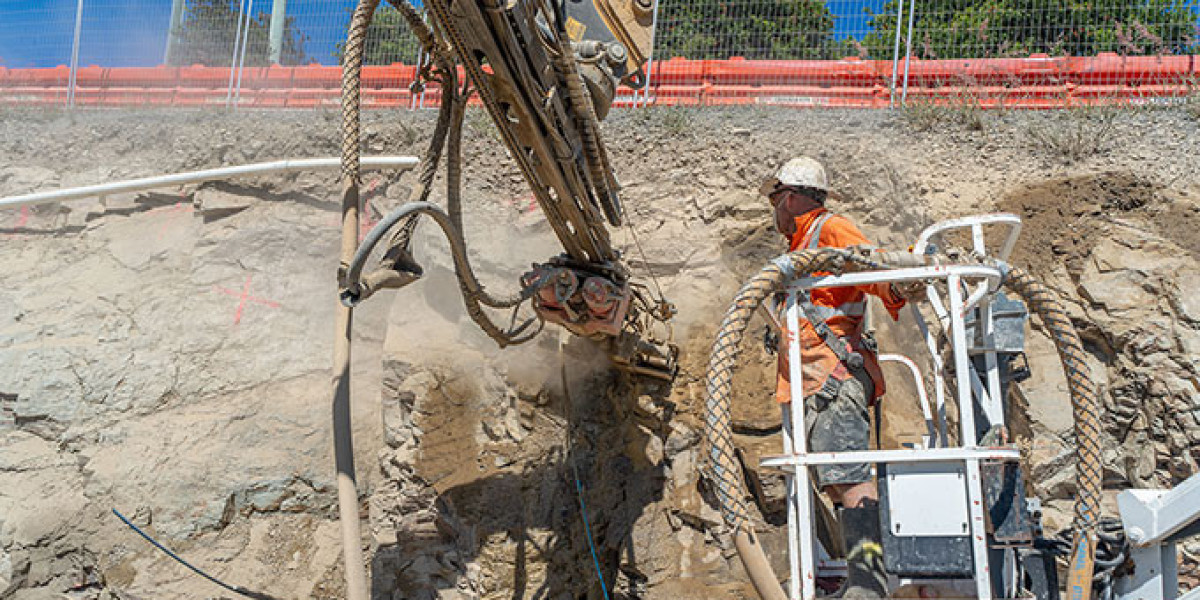

Concrete is one of the most important materials in modern construction. From residential driveways and building foundations to commercial floors, pathways, and outdoor spaces, it provides the strength and stability needed for structures that are designed to last. However, achieving reliable results involves more than simply pouring concrete. Selecting the right materials, understanding project requirements, and following proper construction techniques all play an important role in the final outcome.
For property owners and builders looking for Concrete Grafton services, understanding the different aspects of concrete work can help make construction projects more successful. The right concrete solution not only improves durability but also contributes to safety, functionality, and the overall appearance of a property.
Understanding Different Concrete Requirements
Every construction project has its own requirements. A residential driveway, for example, needs to withstand regular vehicle movement, while a building foundation must provide dependable support for the structure above it. Similarly, outdoor pathways require a surface that offers durability and suitable traction.
Concrete specifications should be selected according to the intended application. Factors such as expected weight, environmental exposure, ground conditions, and surface finish can influence the type of concrete required.
Understanding these requirements before construction begins helps avoid unnecessary complications and ensures that the finished surface performs according to its intended purpose.
The Importance of Strong Foundations
A successful construction project begins beneath the surface. Even high-quality concrete may develop problems if it is placed on poorly prepared ground.
Site preparation involves clearing unwanted materials, assessing soil conditions, levelling the area, and establishing a stable base. Depending on the project, additional excavation and compaction may also be necessary.
Proper preparation helps distribute loads more evenly and reduces the risk of uneven settlement. For foundations, slabs, and other structural applications, careful groundwork is essential to achieving long-term stability.
This is why professional planning and preparation should never be overlooked when organising concrete construction.
Choosing the Right Concrete Mix
Not all concrete mixes are suitable for every application. The composition and strength requirements can vary depending on the purpose of the structure.
Concrete generally consists of cement, water, sand, and aggregates. The proportions of these materials influence its workability, strength, and performance after hardening.
For example, a concrete driveway may require different specifications from a decorative pathway or a structural foundation. The expected loading conditions and environmental exposure should be considered when selecting an appropriate mix.
Professional guidance can help determine the right concrete specifications for each project. Choosing a suitable mix from the beginning supports better performance and reduces the possibility of premature deterioration.
Concrete Driveways and Outdoor Surfaces
Driveways, pathways, patios, and outdoor entertaining areas are common applications of concrete in residential and commercial properties.
A well-constructed concrete driveway provides a durable surface for everyday vehicle access. Similarly, concrete pathways create convenient connections between different areas of a property.
Beyond functionality, concrete also offers flexibility in appearance. Different finishing techniques, textures, and decorative options can help create surfaces that complement the surrounding architecture and landscape.
When designing outdoor concrete areas, drainage, surface slope, accessibility, and expected usage should all be considered. These details help create practical spaces that remain useful over time.
The Role of Proper Concrete Placement
Even when the right materials have been selected, the quality of concrete placement has a significant impact on the finished result.
The process generally involves preparing the formwork, placing the concrete, distributing it evenly, and finishing the surface according to the project specifications.
Compaction is important because it helps remove trapped air pockets that could affect the concrete's strength and appearance. Proper levelling and finishing also contribute to a consistent surface.
Timing is another important consideration. Concrete begins to set after placement, so workers need to complete the required finishing activities within the appropriate period.
Careful workmanship throughout these stages helps achieve a more reliable and professional finish.
Why Concrete Curing Matters
Concrete does not reach its intended strength immediately after being poured. It requires sufficient time and suitable conditions to cure properly.
Curing helps maintain the moisture and temperature conditions needed for cement hydration. Without appropriate curing, concrete may experience surface cracking, reduced strength, and other performance issues.
Depending on the project and environmental conditions, curing methods may include applying water, using curing compounds, or covering the surface with suitable materials.
Weather conditions should also be considered. High temperatures, strong winds, and unexpected rainfall can influence the curing process.
Following appropriate curing practices is essential for achieving durable concrete surfaces and structures.
Maintaining Concrete for Long-Term Performance
Although concrete is known for its durability, regular care can help maintain its appearance and functionality.
Simple maintenance practices include removing dirt, cleaning stains, checking for cracks, and ensuring that water drains away from the surface. Sealing may also be beneficial for certain concrete applications, depending on the exposure and intended use.
Addressing minor issues early can help prevent them from developing into more significant problems. For outdoor surfaces, regular inspections are particularly useful because changing weather conditions and repeated use can gradually affect the material.
Good maintenance practices help extend the useful life of concrete installations.
Choosing Professional Concrete Services in Grafton
Selecting an experienced concrete contractor is an important part of any construction project. A reliable service provider should understand different concrete applications, site preparation requirements, material selection, and finishing techniques.
Before starting work, property owners should discuss their project objectives, expected usage, design preferences, and budget. Clear communication helps ensure that the proposed solution matches the actual requirements.
For residential, commercial, and agricultural developments, professional Concrete Grafton services can help deliver practical surfaces and dependable construction results.
Working with knowledgeable professionals also makes it easier to identify potential site challenges and plan suitable solutions before construction begins.
Conclusion
Choosing the right concrete is about more than selecting a construction material. It involves understanding the purpose of the project, preparing the ground correctly, choosing suitable concrete specifications, and following proper placement and curing practices.
From driveways and pathways to foundations and commercial surfaces, quality concrete work provides the strength and reliability that successful construction depends on.
By focusing on preparation, workmanship, and ongoing maintenance, property owners can achieve concrete structures and surfaces that offer lasting value. The real strength of a successful concrete project lies not only in what can be seen above the ground but also in the careful decisions and preparation beneath the surface.