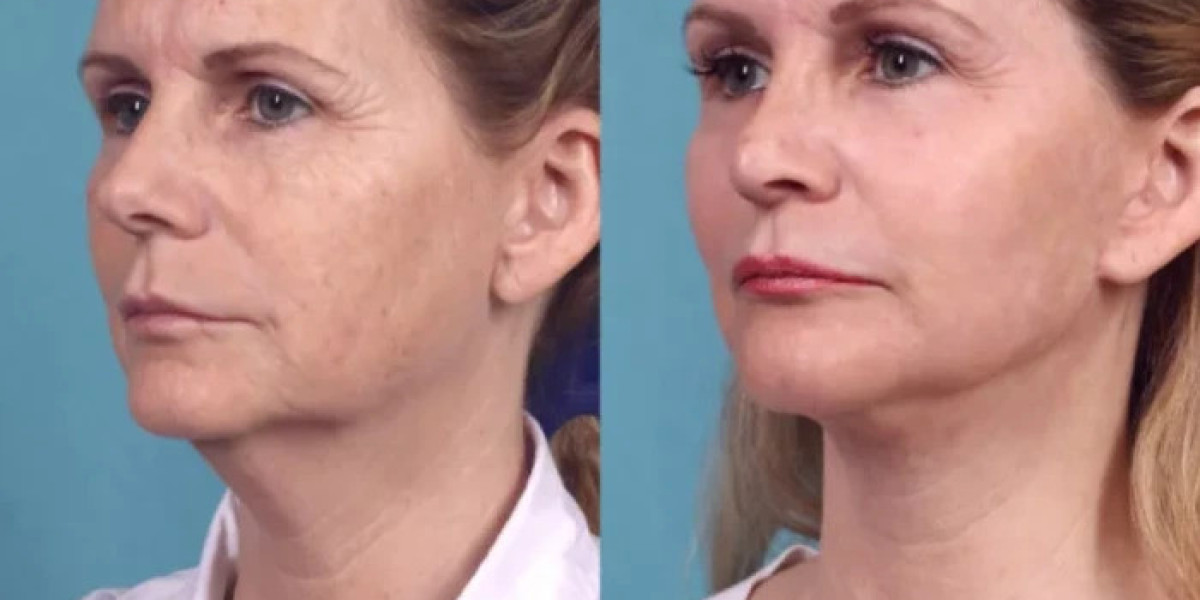

Chemical Peel Treatment Doctors in dubai Explain Why Skin Assessment Matters
A professional skin assessment helps identify the current condition of the skin before exfoliating ingredients are applied. It provides useful information about skin texture, pigmentation, sensitivity, oil production, and hydration levels.
Chemical Peel Treatment Doctors in dubai is a relevant keyword for individuals researching chemical peel procedures and professional skincare approaches.
During a skin assessment, several factors may be considered:
Skin type: Understanding whether the skin is oily, dry, combination, or sensitive.
Skin texture: Identifying roughness, enlarged pores, and uneven surface areas.
Pigmentation: Checking for dark spots, sun damage, and uneven skin tone.
Acne concerns: Identifying active breakouts and acne-related marks.
Skin sensitivity: Understanding whether the skin reacts easily to skincare products.
Hydration levels: Evaluating dryness and possible damage to the skin barrier.
This information helps establish whether a chemical peel is suitable and which treatment approach may be appropriate.
Without proper assessment, using an unsuitable chemical solution may increase redness, irritation, dryness, or pigmentation problems.
Best Doctors in Dubai Highlight the Importance of Identifying Individual Skin Types
Skin type is one of the most important factors to consider before a chemical peel. Different skin types respond differently to exfoliating ingredients, so treatment selection should not follow a one-size-fits-all approach.
Best Doctors in Dubai is a useful search phrase for people looking for information about professional skin evaluation and chemical peel suitability.
Oily skin: Oily skin may benefit from selected exfoliating ingredients that help manage excess oil and clogged pores. Salicylic acid is commonly used for certain acne-prone skin concerns.
Dry skin: Dry skin may require a gentler approach because stronger exfoliation can increase tightness, flaking, and discomfort.
Sensitive skin: Sensitive skin requires particular attention because it may react to certain acids and treatment strengths.
Combination skin: Different areas of combination skin may have different requirements. The forehead and nose may be oilier, while the cheeks may be dry.
Normal skin: Even skin that appears balanced requires assessment because hidden sensitivity, pigmentation, or environmental damage may influence treatment selection.
Understanding these differences helps reduce unnecessary irritation and supports more suitable treatment planning.
Chemical Peel Treatment in Dubai Requires Proper Evaluation of Skin Concerns
Chemical peels are available in different formulations and strengths. Their suitability depends on the skin concern being addressed and the individual's overall skin condition.
Chemical Peel Treatment in Dubai is a commonly searched keyword among individuals exploring professional skin renewal options.
A skin assessment helps identify whether the main concern is dullness, pigmentation, acne marks, or uneven texture.
Some common concerns include:
Dull skin: Accumulated dead skin cells can make the complexion look tired. Selected chemical peels may help improve surface dullness.
Dark spots: Sun exposure and previous inflammation can contribute to pigmentation. Certain peels may help improve superficial discoloration.
Acne marks: Some exfoliating ingredients may improve the appearance of post-acne marks over time.
Uneven texture: Chemical peels can encourage surface exfoliation and help make rough skin appear smoother.
Fine lines: Selected peel treatments may improve the appearance of mild surface lines and sun-related skin changes.
Not every concern can be treated with the same chemical peel. Assessment helps establish realistic goals and identify alternative approaches when necessary.
Chemical Peel in Dubai and the Need to Understand Skin Sensitivity
Skin sensitivity is an important consideration before any exfoliating treatment. Some individuals naturally have sensitive skin, while others develop sensitivity because of excessive exfoliation, environmental exposure, or unsuitable skincare products.
Chemical Peel in Dubai is a relevant keyword for people researching different approaches to improving skin texture and appearance.
A skin assessment can help identify signs of sensitivity, including:
Frequent redness.
Burning or stinging sensations.
Dry and flaky areas.
Reactions to skincare ingredients.
Easily irritated skin.
A weakened skin barrier.
If the skin barrier is already damaged, applying a chemical peel may make the condition worse.
It may be necessary to improve hydration and restore the skin barrier before considering exfoliating treatment. Gentle cleansing, suitable moisturising products, and avoiding irritating ingredients can help support recovery.
A chemical peel should only be considered when the skin is in an appropriate condition for treatment.
Celebrity Clinics in Dubai and the Growing Importance of Skin Evaluation
Modern skincare discussions increasingly focus on personalised treatments instead of using the same products or procedures for everyone. People are becoming more interested in understanding their skin concerns before choosing a treatment.
Celebrity Clinics in Dubai is a keyword commonly associated with beauty trends and professional skincare searches.
Although beauty trends can introduce people to different treatments, skin assessment remains more important than popularity.
A chemical peel that is suitable for one person may not be appropriate for someone with a different skin type, pigmentation concern, or medical history.
Personalised skin evaluation helps individuals understand:
Their current skin condition.
The concerns that may benefit from exfoliation.
The ingredients that may be suitable.
The possible risks of treatment.
The expected recovery period.
The importance of proper aftercare.
The main purpose is to make treatment decisions based on skin health rather than following temporary beauty trends.
Celebrity Doctors In Dubai Discuss the Importance of Checking Medical History
A skin assessment should consider more than visible skin concerns. Medical history, current medications, previous treatments, and certain skin conditions can influence chemical peel suitability.
Celebrity Doctors In Dubai is a relevant search phrase within discussions about modern aesthetic treatments and professional skincare awareness.
Some important factors that may need consideration include:
Current medications: Certain medications can increase skin sensitivity or affect healing.
Previous chemical peels: Recent exfoliating treatments may mean that additional recovery time is required.
Retinoid use: Some retinoid products can increase irritation, so their use may need to be adjusted before treatment.
Cold sore history: Certain facial procedures can trigger cold sore outbreaks in susceptible individuals.
Skin conditions: Active infections, eczema, dermatitis, and other inflammatory conditions may affect treatment suitability.
Pregnancy and breastfeeding: Some peel ingredients and treatment plans may require additional precautions or postponement.
Sharing accurate medical information helps identify possible risks before a chemical peel is considered.
Dr. perfect celebrity and the Importance of Understanding Chemical Peel Ingredients
Chemical peels contain different exfoliating ingredients, and each ingredient has its own characteristics. Understanding these ingredients is an important part of selecting a suitable treatment.
Dr. perfect celebrity is a keyword that can be included naturally in discussions about skincare awareness and chemical peel information.
Some commonly used chemical peel ingredients include:
Glycolic acid: This alpha hydroxy acid helps exfoliate the skin's surface. It is commonly used to improve dullness and uneven texture.
Lactic acid: This ingredient provides exfoliation and may be suitable for certain individuals who need a gentler approach.
Salicylic acid: This beta hydroxy acid can penetrate oily pores and is commonly used for acne-prone skin.
Mandelic acid: This ingredient has a larger molecular structure than glycolic acid and is often used in selected treatments for uneven texture and pigmentation.
Trichloroacetic acid: TCA is used in different concentrations for selected medium-depth peel treatments.
The right ingredient depends on skin type, sensitivity, treatment depth, and the concern being addressed. Using an unsuitable ingredient or concentration can increase irritation and unwanted side effects.
Perfect Doctors Clinic and the Role of Personalised Chemical Peel Planning
Personalised treatment planning is important because skin concerns can vary significantly from person to person. Some individuals may want to improve mild dullness, while others may be concerned about acne marks, sunspots, or uneven pigmentation.
Perfect Doctors Clinic is a relevant keyword within discussions about chemical peel awareness and personalised skincare planning.
A suitable treatment plan may consider the following factors:
Treatment goals: Identifying the specific improvements an individual wants to achieve.
Peel strength: Selecting an appropriate exfoliation depth according to skin condition.
Skin preparation: Determining whether the skin needs hydration or barrier support before treatment.
Treatment frequency: Establishing suitable intervals between sessions, depending on peel depth and skin recovery.
Aftercare requirements: Planning suitable moisturising, cleansing, and sun protection habits.
Expected results: Explaining what improvements may be realistic and how long they may take.
Personalised planning helps prevent unnecessary treatments and supports a more balanced approach to skin renewal.
How Professional Skin Assessment Helps Reduce Chemical Peel Risks
Chemical peels can provide useful improvements, but they also involve potential side effects. Understanding these risks before treatment is an important part of responsible skincare.
A proper assessment helps identify factors that may increase the possibility of complications.
Potential side effects include:
Temporary redness.
Dryness and skin peeling.
Mild swelling.
Burning or stinging sensations.
Temporary skin sensitivity.
Changes in pigmentation.
Infection or scarring in more serious cases.
People with darker skin tones may have a higher risk of post-inflammatory hyperpigmentation after certain peels, particularly when treatment causes significant irritation.
A suitable peel, appropriate preparation, and careful aftercare can help reduce risks. However, no chemical peel is completely risk-free.
If the skin has an active infection, open wounds, or significant irritation, treatment may need to be postponed.
Why Skin Preparation Is Important Before Chemical Peel Treatment
Skin preparation can help improve treatment suitability and support a smoother recovery process. The preparation required depends on the individual's skin condition and the type of chemical peel being considered.
Some general preparation practices include:
Using gentle skincare products.
Maintaining regular skin hydration.
Avoiding unnecessary exfoliation.
Discussing retinoids and other active ingredients before treatment.
Avoiding tanning and excessive sun exposure.
Following individual pre-treatment instructions.
Some treatment plans may include selected skincare ingredients before a peel, while others may require avoiding active products.
It is important not to start strong exfoliating products independently before treatment. Preparation should be based on individual skin needs.
Questions to Consider During a Professional Skin Assessment
A skin assessment is also an opportunity to understand the treatment process and ask important questions.
Before considering a chemical peel, individuals should understand:
Is my skin suitable for a chemical peel?
Which skin concerns may improve with this treatment?
What type of chemical peel may be appropriate?
What are the possible side effects?
How long will the recovery period take?
Which skincare products should I avoid?
How should I protect my skin after treatment?
When may another session be considered?
Clear answers can help individuals develop realistic expectations and understand their responsibilities during recovery.
Maintaining Healthy Skin After a Chemical Peel Assessment and Treatment
Skin assessment is only the beginning of a responsible skincare approach. Maintaining healthy skin after treatment is equally important.
Once a chemical peel has been performed, the skin may require additional care while recovering.
Use gentle cleansers: Avoid harsh soaps and scrubbing products that may irritate the skin.
Apply moisturiser: Suitable moisturising products help support the skin barrier and reduce dryness.
Wear sunscreen: Broad-spectrum SPF 30 or higher is important to protect the skin from ultraviolet exposure.
Avoid picking peeling skin: Allow loose skin to shed naturally to reduce the risk of irritation and scarring.
Follow recovery instructions: Avoid restarting exfoliating acids and retinoids until the skin has recovered and it is appropriate to do so.
Maintain hydration: Drinking sufficient water and using suitable moisturising products can support overall skin health.
Consistent aftercare helps maintain the skin's natural balance and supports the improvements achieved through treatment.
Conclusion: Why Professional Skin Assessment Should Come Before Chemical Peels
A professional skin assessment is an important step before considering a chemical peel because it helps identify individual skin needs, sensitivities, existing conditions, and possible treatment risks. It also supports appropriate ingredient selection, treatment planning, and realistic expectations.
Best Doctors in Dubai, Chemical Peel Treatment in Dubai, and Chemical Peel in Dubai are common search terms for people exploring professional skin renewal options. However, the most important consideration should always be whether a particular treatment is suitable for the individual's skin.
Chemical peels may help improve dullness, uneven texture, and certain pigmentation concerns, but they are not suitable for everyone. Proper assessment, careful preparation, and consistent aftercare can help reduce unnecessary risks.
Healthy skin starts with understanding its needs. Taking time to evaluate the skin before choosing an exfoliating treatment can support safer decisions and a more balanced approach to long-term skincare.