
Wealth creates opportunities, but how that wealth is structured, managed, and directed can influence its impact for generations. For individuals, families, business leaders, and philanthropic organizations, building a meaningful legacy requires more than accumulating financial resources. It requires an understanding of governance, institutional responsibility, strategic planning, and the systems that support long-term objectives.
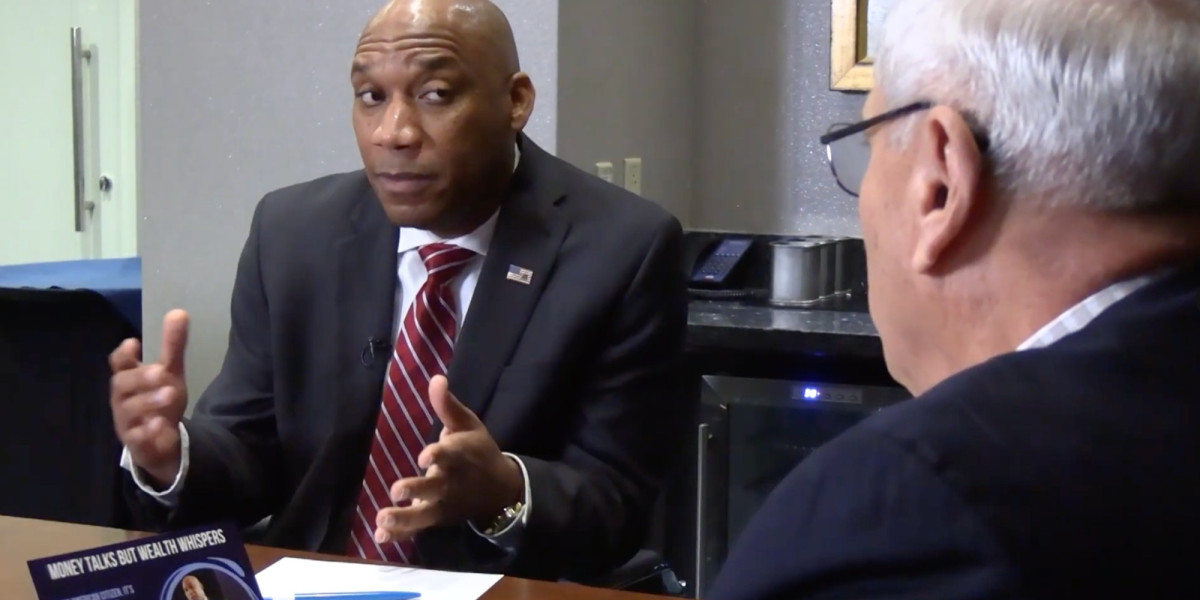
This broader perspective is central to the work of Antomius Wise, an institutional systems speaker and executive education strategist whose work explores the relationship between economic systems, leadership, governance, and strategic philanthropy.
Through executive education programs, institutional keynotes, and private briefings, Antomius encourages leaders and philanthropic networks to look beyond immediate financial outcomes and examine the structures that influence sustainable impact.
Understanding Philanthropy Beyond Charitable Contributions
Philanthropy is commonly associated with charitable donations, fundraising initiatives, and financial contributions to organizations supporting important causes. Although these activities remain essential, strategic philanthropy involves a much broader consideration of how resources can create lasting value.
Effective philanthropic planning requires attention to the purpose behind giving, the structures supporting charitable initiatives, and the governance processes guiding important decisions.
For example, a philanthropic initiative may have a meaningful mission and substantial financial support, but its long-term effectiveness also depends on organizational accountability, leadership continuity, resource allocation, and clearly defined objectives.
These considerations help distinguish individual acts of generosity from a structured approach to long-term institutional impact.
Antomius Wise brings attention to these underlying elements by encouraging philanthropic leaders to examine the systems supporting their charitable objectives.
His approach highlights the importance of understanding how economic structures, governance, and institutional decision-making influence the effectiveness of philanthropic initiatives.
The Importance of Institutional Thinking in Wealth Planning
Financial resources alone do not determine the long-term success of an individual, family, or institution. The structures surrounding those resources also matter.
Institutional thinking involves examining how authority, responsibilities, incentives, and decision-making processes are organized.
For families managing significant wealth, these considerations can become particularly important when addressing succession, charitable giving, governance, and intergenerational planning.
Without clear structures, even well-intentioned plans may encounter difficulties as responsibilities change and institutional priorities evolve.
A stronger understanding of governance can help families and organizations establish clearer expectations, improve accountability, and approach long-term objectives with greater consistency.
Antomius Wise explores these issues through an educational framework that connects wealth, institutional responsibility, and economic systems.
Rather than focusing exclusively on financial outcomes, his work encourages decision-makers to consider the broader architecture influencing those outcomes.
Governance: The Foundation of Sustainable Institutional Impact
Governance is one of the most important elements of any organization seeking long-term stability.
It establishes how decisions are made, who holds responsibility, how accountability is maintained, and how institutional objectives are protected over time.
In philanthropic organizations, governance can influence everything from leadership appointments and grantmaking priorities to financial oversight and mission continuity.
Similarly, family offices, charitable foundations, and entrepreneurial organizations benefit from understanding the relationship between authority, responsibility, and institutional structure.
Effective governance is not simply about establishing policies or meeting compliance requirements. It also involves creating decision-making frameworks that support transparency, accountability, and organizational continuity.
Through institutional education, Antomius Wise brings these considerations into discussions involving executives, wealth advisors, philanthropic networks, and organizational leaders.
His perspective encourages participants to recognize governance as an essential part of sustainable impact rather than an administrative responsibility that can be addressed separately.
Connecting Economic Systems With Long-Term Legacy
A meaningful legacy is not defined exclusively by the amount of wealth accumulated during an individual's lifetime. It can also be reflected in the institutions established, opportunities created, communities supported, and systems strengthened.
This requires an understanding of how economic systems influence the movement of capital, the distribution of resources, and the development of institutions.
For philanthropic leaders and high-net-worth families, recognizing these relationships can help create a more comprehensive approach to long-term planning.
It also encourages conversations about how financial resources can support educational initiatives, community development, institutional growth, and charitable missions.
Antomius Wise approaches these subjects through the lens of institutional thinking and strategic philanthropy.
His educational perspective encourages leaders to consider not only what they want to accomplish but also whether the structures supporting their objectives are capable of sustaining those ambitions.
A Perspective Informed by Athletics, Federal Service, and Business Education
Antomius Wise's approach to institutional leadership is influenced by a professional background that combines experiences across different organizational environments.
As a former NFL athlete, he experienced the importance of preparation, performance, teamwork, and organizational discipline in professional athletics.
His experience as a former U.S. Secret Service Special Agent provided another perspective through a decade of federal service involving institutional authority, governance, compliance, and accountability.
His MBA further developed his understanding of organizational structures, capital systems, and strategic decision-making.
These experiences provide a foundation for his current work as the founder of WPSM.org and an executive education strategist.
By connecting lessons from professional athletics, federal service, and business education, Antomius brings a multidisciplinary perspective to conversations about leadership, economic structures, and institutional responsibility.
Why Wealth Advisors and Philanthropic Leaders Should Think Structurally
Wealth advisors and philanthropic professionals operate in environments where financial decisions often intersect with family priorities, charitable objectives, governance considerations, and long-term institutional responsibilities.
Understanding these relationships can help professionals facilitate more informed educational conversations with their clients and networks.
Structural awareness is particularly valuable when discussing:
Family governance and intergenerational responsibilities.
Strategic philanthropy and charitable objectives.
Institutional accountability and organizational continuity.
Economic systems and capital allocation.
Leadership structures and decision-making authority.
Long-term impact and legacy considerations.
These subjects extend beyond conventional financial discussions and create opportunities to explore the institutional factors influencing long-term outcomes.
Through private executive briefings and educational engagements, Antomius Wise brings these themes to professional audiences seeking a broader understanding of the systems surrounding wealth and philanthropy.
Importantly, his educational approach is designed to complement existing legal, tax, investment, and fiduciary relationships.
Making Long-Term Impact a Structural Priority
Creating lasting impact requires more than having meaningful intentions. It requires the ability to translate those intentions into structures, responsibilities, and decisions that can endure over time.
For philanthropic organizations, this means connecting mission with governance and accountability. For families, it means considering how wealth, responsibilities, and institutional objectives can be understood across generations. For executives, it means recognizing how organizational decisions influence outcomes beyond immediate business performance.
These are the broader conversations that shape Antomius Wise's work in institutional education and strategic philanthropy.
By bringing attention to the often-overlooked relationship between wealth, governance, economic systems, and institutional responsibility, he encourages leaders to approach long-term impact with greater clarity.
Ultimately, the strength of a legacy is not measured only by what is accumulated, but also by the structures created to preserve purpose and support meaningful outcomes.