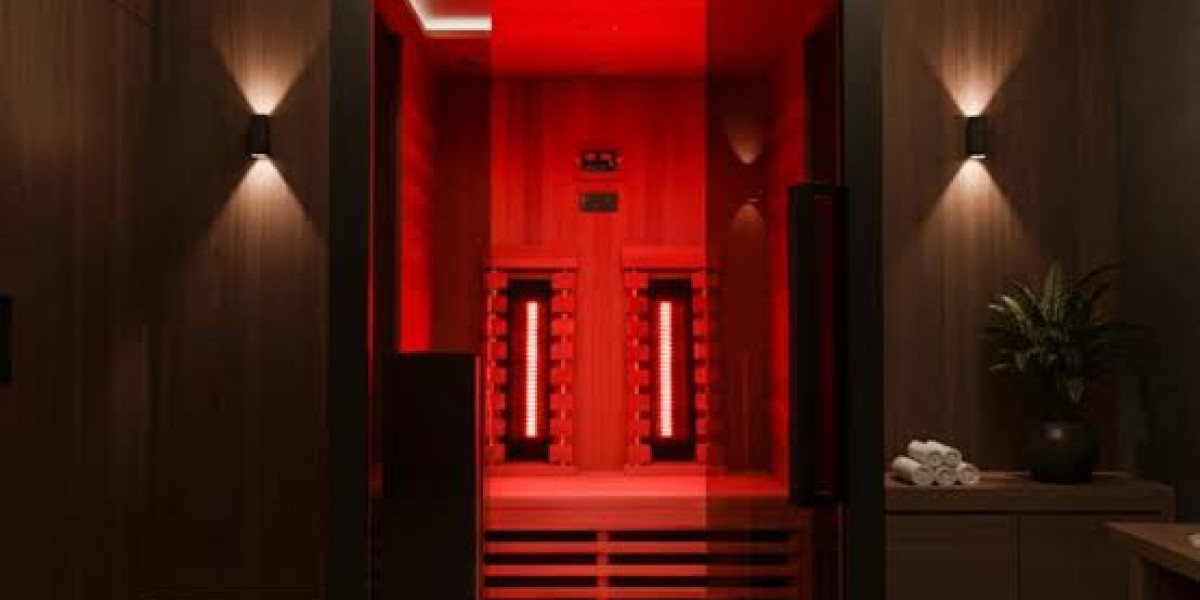

Choosing a personal sauna is about more than finding a compact unit that fits comfortably into your home. Heating performance plays an equally important role in determining how enjoyable and convenient each session will be. For individuals who prefer a private wellness space, a single-person infrared sauna offers an opportunity to enjoy warmth and relaxation without needing a large installation area. However, different heating technologies, panel arrangements, temperature controls and heat distribution systems can influence the overall experience.
When exploring an Infrared Sauna 1 Person UK, it is worth understanding which heating features genuinely improve personal comfort. Some systems focus on distributing warmth evenly around the body, while others offer adjustable settings that allow users to personalise their sessions. The quality of the heating elements, the time needed to reach the preferred temperature and the ability to maintain consistent warmth can all make a difference.
A well-designed one-person infrared sauna should provide a comfortable environment that suits individual preferences and everyday routines. Understanding the available heating features can help buyers make a more informed decision and select a model that offers convenience, reliable performance and a pleasant sauna experience.
Understanding How Infrared Sauna Heating Works
Infrared saunas use infrared heating elements to produce radiant warmth. Unlike traditional saunas, which primarily heat the surrounding air, infrared systems use infrared energy to warm the body directly. This creates a different type of sauna experience, often at lower air temperatures than conventional heated saunas.
The heating system is one of the most important components of a personal sauna. Its design determines how warmth is distributed, how quickly the cabin reaches the selected temperature and how consistently it maintains the desired conditions.
For a single-person unit, heating efficiency is particularly important because the internal space is relatively compact. A carefully positioned heating system can create a balanced environment without requiring unnecessarily high temperature settings.
When comparing different models, buyers should consider the type of infrared technology, the number and positioning of heating panels, the available temperature adjustments and the overall quality of the heating components.
Which Heating Features Make a One-Person Sauna More Comfortable?
Personal comfort depends on several heating features working together. A sauna may offer advanced technology, but its practical value comes from how effectively that technology supports a relaxing and convenient session.
Evenly Distributed Heating Panels
The positioning of heating panels can significantly influence the experience inside a single-person sauna. Panels installed around different sections of the cabin help distribute warmth across the available seating area.
Some models include heating elements in the backrest, side walls, front section and lower areas. This arrangement can help reduce noticeable differences in warmth between different parts of the body.
For example, a user sitting comfortably inside the cabin may prefer warmth that reaches the back, sides and legs rather than concentrating mainly around one area.
When considering a 1 Person Sauna UK, it is sensible to examine the heating panel layout instead of focusing exclusively on the total number of panels. Their positioning and output are important factors in determining the quality of the heating experience.
Adjustable Temperature Controls
Not everyone enjoys the same level of warmth. Some individuals prefer a gentler environment, while others may feel more comfortable with a higher temperature setting.
Adjustable temperature controls make it easier to personalise sauna sessions according to individual preferences. Rather than relying on a fixed heating level, users can select a suitable setting and make adjustments when needed.
A straightforward digital control panel can make this process particularly convenient. Clearly displayed temperature information and accessible adjustment buttons allow users to manage their sessions without interrupting their relaxation.
It is also useful to check the available temperature range and whether the controls allow precise adjustments. These details can make a single-person sauna more adaptable to different comfort preferences.
Consistent Heat Maintenance
Reaching the preferred temperature is only one part of a comfortable sauna experience. Maintaining consistent warmth throughout a session is equally important.
A reliable heating system should be capable of regulating its output to maintain the selected temperature within its designed operating range. This helps create a more predictable environment and reduces the need for frequent manual adjustments.
Temperature sensors and automatic regulation features can contribute to this process. They monitor the cabin conditions and support the heating system in responding to changes.
When comparing a 1 Person Infrared Sauna UK, buyers should look for information about temperature regulation and the quality of the heating controls. A system designed for consistent operation can make regular use more convenient.
The Importance of Different Infrared Heating Technologies
Infrared saunas can use different wavelengths and heating technologies. Understanding these differences helps buyers identify which type of system suits their expectations.
Near-Infrared Heating
Near-infrared heating uses shorter infrared wavelengths. Some sauna designs incorporate near-infrared elements as part of a broader heating arrangement.
These systems may be positioned to provide targeted radiant warmth, depending on the product design. Buyers should examine the manufacturer's technical information to understand how the technology is incorporated and what type of experience the sauna is designed to provide.
Far-Infrared Heating
Far-infrared heating is commonly used in residential infrared saunas. It provides radiant warmth through specialised heating elements, which may be constructed using carbon or ceramic materials.
Far-infrared systems are designed to create a comfortable heating environment without relying entirely on raising the surrounding air temperature.
For people choosing a compact personal sauna, this technology can be an appealing option because it supports a different experience from traditional high-temperature sauna environments.
Full-Spectrum Infrared Heating
Some premium models combine near, mid and far-infrared technologies. These are commonly described as full-spectrum infrared saunas.
The main distinction is the inclusion of different infrared wavelength ranges within one heating system. However, the actual performance depends on the manufacturer's design, component quality and technical specifications.
Buyers should check whether a model genuinely includes the advertised heating technologies and how the different elements are positioned inside the cabin.
Carbon or Ceramic Heating Panels: What Should You Consider?
The material used in infrared heating elements can influence the design and performance of a sauna.
Carbon heating panels are often selected for their broad surface area and ability to distribute warmth across larger sections of the cabin. Their flat design can also make them suitable for compact sauna interiors.
Ceramic heaters are another common option. They can produce radiant heat through concentrated heating elements and may reach operating temperatures relatively quickly, depending on their construction.
Some sauna manufacturers combine different heating materials to achieve their preferred heating characteristics.
There is no single material that automatically makes a sauna more comfortable. The overall heating arrangement, product quality, panel positioning and temperature regulation should all be considered together.
Before choosing a model, it is useful to review the manufacturer's specifications and understand which heating components are included.
Why Fast Heat-Up Performance Matters
Convenience is an important consideration for people who intend to use their sauna regularly. A heating system that takes an unnecessarily long time to reach the preferred operating temperature may make spontaneous sessions less practical.
Heat-up performance depends on several factors, including the heating technology, cabin insulation, internal dimensions and surrounding room temperature.
A compact one-person sauna generally has a smaller internal volume than a multi-person model. This can make temperature management more straightforward, although actual warm-up times vary between products.
It is worth checking whether the manufacturer provides an estimated preheating time and whether this information relates to specific environmental conditions.
A convenient heating system should also offer simple controls, allowing users to prepare the sauna without complicated setup procedures.
How Insulation Supports Heating Comfort
Heating panels are not the only components responsible for creating a pleasant sauna environment. Insulation also plays an important role.
A properly insulated cabin helps limit unwanted heat loss and supports more consistent internal temperatures. This can allow the heating system to operate more efficiently under normal conditions.
Door seals, wall construction, roof design and the quality of the materials can all influence insulation performance.
For a personal sauna, these details are especially relevant because the cabin is designed to provide a contained environment within a relatively small space.
Buyers should consider the overall construction rather than judging a product solely by its heating power. Good insulation and an appropriately designed heating system should work together to support comfortable operation.
User-Friendly Controls for a Personal Sauna Experience
A one-person sauna should be straightforward to operate. Complicated settings and difficult-to-reach controls can make an otherwise well-designed product less convenient.
Modern models may include digital displays, adjustable temperature settings, session timers and remote-control functions.
These features allow users to manage their preferred sauna environment with minimal effort. A timer, for example, can help organise session duration, while a clear temperature display makes it easier to understand the current operating conditions.
Some products also include internal lighting and audio features. Although these are not heating technologies, they can contribute to a more enjoyable personal environment.
When choosing an Infrared Sauna 1 Person UK, consider whether the controls are easy to understand and accessible from the seated position. Practical design often matters just as much as advanced technical features.
Choosing the Right Heating Features for Your Home
The ideal heating configuration depends on how the sauna will be used and where it will be installed.
For occasional relaxation, a straightforward far-infrared system with adjustable temperature settings may be sufficient. Someone who values greater control over their sauna environment may prefer a model with multiple heating zones and advanced digital controls.
Available space should also influence the decision. A compact sauna needs to fit comfortably into the intended room while allowing sufficient clearance around the unit according to the manufacturer's installation instructions.
Electrical requirements are another important consideration. Buyers should check the product's power rating, electrical connection requirements and installation guidance before making a purchase.
It is also sensible to review the warranty, heating element specifications and availability of replacement components. These details provide a better understanding of the product's long-term practicality.
Rather than choosing a sauna based on the largest number of advertised features, focus on the heating characteristics that genuinely improve everyday convenience and comfort.
Why a Single-Person Infrared Sauna Can Be a Practical Choice
A single-person infrared sauna is designed for individual use, making it suitable for people who prefer a dedicated personal wellness space.
Its compact dimensions can make it easier to accommodate in certain homes compared with larger multi-person sauna cabins. It may also offer a more private environment for users who prefer to enjoy their sessions alone.
Another advantage is the ability to personalise the heating settings without having to accommodate different temperature preferences among several users.
For individuals with limited available space, a carefully designed 1 Person Infrared Sauna UK can provide a convenient option for incorporating regular sauna sessions into a home environment.
The most suitable choice will depend on cabin dimensions, heating performance, installation requirements and personal expectations.
What to Check Before Buying an Infrared Sauna
Before purchasing a personal infrared sauna, it is worth reviewing several important product details.
Start with the heating technology and confirm whether the model uses carbon, ceramic or full-spectrum infrared elements. Next, examine the panel arrangement to understand how warmth is distributed throughout the cabin.
Check the temperature range, digital controls and available timer settings. These features influence how easily the sauna can be adjusted to suit individual preferences.
Construction quality should also receive attention. Look at the cabin materials, insulation, door design and ventilation arrangements.
Finally, review the product dimensions and electrical requirements to ensure the sauna is suitable for the intended installation area.
Taking time to compare these details can help buyers select a model that offers a suitable balance of comfort, practicality and long-term value.
Conclusion
Heating performance is one of the most important factors when choosing a personal infrared sauna. Evenly positioned heating panels, adjustable temperature controls, reliable heat regulation and effective insulation all contribute to a more comfortable experience.
Different infrared technologies and heating materials offer varying characteristics, so understanding their specifications can help buyers make a more informed decision. It is equally important to consider heat-up performance, control accessibility and the overall quality of the cabin.
For anyone exploring an Infrared Sauna 1 Person UK, the best choice is not necessarily the model with the most advanced features. Instead, it is the sauna that provides suitable heating performance, straightforward operation and a comfortable environment that fits naturally into everyday life.
By comparing these features carefully, buyers can find a single-person infrared sauna that meets their individual preferences and home requirements.
Frequently Asked Questions
1. Which heating system is best for a one-person infrared sauna?
Far-infrared heating is a common choice for personal saunas. However, carbon and ceramic heating systems have different characteristics. The most suitable option depends on panel positioning, temperature regulation, construction quality and personal preferences.
2. Are adjustable temperature controls important in a one-person sauna?
Yes. Adjustable controls allow users to select their preferred temperature rather than relying on a fixed heating level. This makes the sauna more adaptable to individual comfort requirements.
3. What is the difference between carbon and ceramic infrared heaters?
Carbon heaters generally use larger, flat heating panels designed to distribute warmth across a wider surface. Ceramic heaters use specialised heating elements that produce radiant warmth. Their performance depends on the individual product's design and specifications.
4. How many heating panels should a single-person sauna have?
There is no universal number that guarantees better performance. Panel placement, output, coverage and quality are more important than the total number. Buyers should examine the complete heating arrangement before choosing a model.
5. How long does a one-person infrared sauna take to heat up?
Heat-up times vary depending on the heating technology, cabin insulation, room temperature and product design. Checking the manufacturer's estimated preheating time is the best way to understand the expected performance of a particular model.
6. Does insulation affect infrared sauna heating performance?
Yes. Good insulation helps reduce heat loss and supports more consistent internal temperatures. Door seals, wall construction and overall cabin design can all influence heating performance.
7. Is a full-spectrum infrared sauna better than a far-infrared model?
Not necessarily. Full-spectrum models incorporate different infrared wavelength ranges, while far-infrared models focus on far-infrared heating. The better option depends on the technology, product quality, heating arrangement and individual expectations.
8. Can I adjust the temperature during a sauna session?
Many modern infrared saunas include digital temperature controls that allow users to change settings during operation. However, available adjustments depend on the specific model and its control system.
9. What features make a one-person infrared sauna easier to use?
Digital temperature displays, accessible controls, session timers, straightforward operation and comfortable seating can make a personal sauna more convenient. These features help simplify everyday use.
10. What should I consider before buying a 1 person infrared sauna in the UK?
Consider the heating technology, panel positioning, temperature controls, insulation, cabin dimensions, electrical requirements, warranty and installation instructions. Comparing these specifications helps identify a sauna that suits your home and personal preferences.