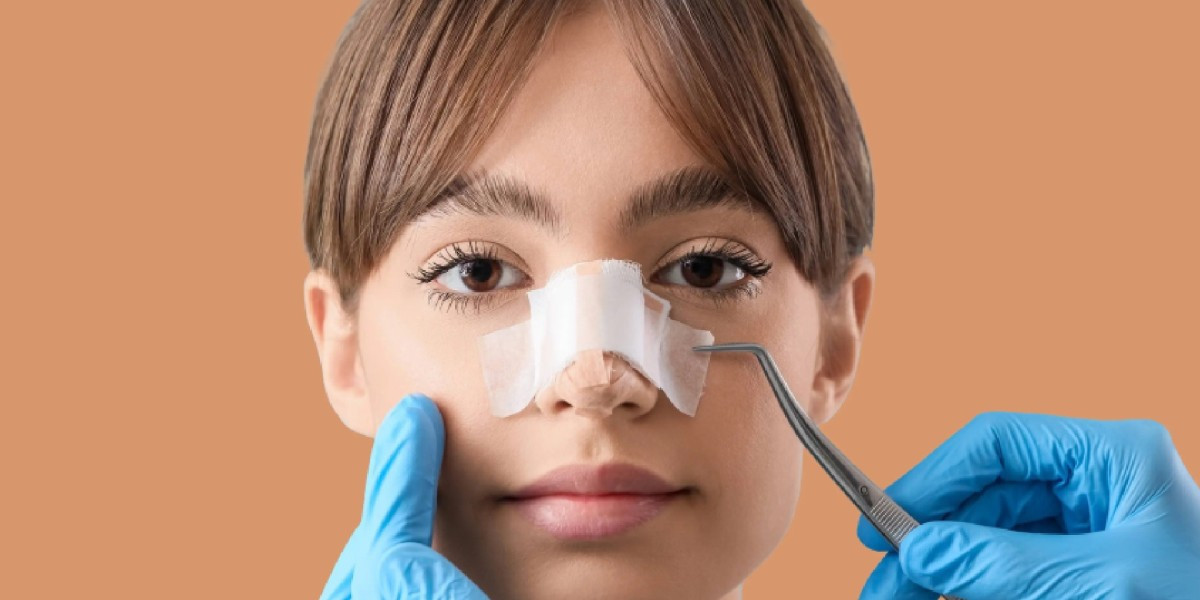

Choosing to undergo nose surgery is a personal decision that requires careful consideration, proper medical guidance, and a clear understanding of the treatment process. The nose plays an important role in facial appearance, balance, and breathing function. Even small changes to its shape or proportions can influence the overall appearance of the face. Rhinoplasty in Dubai offers individuals an opportunity to address different nasal concerns through personalized surgical approaches designed around their anatomical features and aesthetic goals.
Some individuals consider rhinoplasty because they are unhappy with a prominent nasal bridge, wide nostrils, a rounded nasal tip, or an uneven profile. Others may want to correct structural problems resulting from an injury or address nasal abnormalities that affect breathing. Regardless of the reason, understanding the available procedures, potential outcomes, recovery requirements, and associated expenses is essential before making a decision.
Rhinoplasty is not simply about creating a smaller or more defined nose. The objective is to achieve suitable facial proportions while maintaining the structural support and function of the nose. Every patient has different anatomical characteristics, which means the treatment plan should be developed according to individual requirements.
At Perfect Doctors Clinic, patients can discuss their nasal concerns, explore suitable surgical approaches, and understand important aspects of the procedure with Dr perfect celebrity. This guide explains the key considerations that can help patients make an informed decision about nose surgery.
Understanding Rhinoplasty Surgery
Rhinoplasty surgery is a cosmetic or reconstructive procedure that changes the shape, size, or structure of the nose. Depending on the patient's needs, the surgeon may modify nasal bones, reshape cartilage, refine the nasal tip, adjust nostril width, or improve structural support.
The procedure can address several nasal concerns, including:
- A prominent nasal hump.
- A wide or flat nasal bridge.
- A bulbous or poorly defined nasal tip.
- Wide or asymmetrical nostrils.
- A crooked nasal appearance.
- A drooping nasal tip.
- Irregularities caused by previous injuries.
- Selected structural abnormalities affecting breathing.
The appropriate surgical technique depends on the patient's nasal anatomy, skin thickness, cartilage strength, and desired changes.
Some individuals may require minor refinements, while others may need more extensive structural modifications. A proper consultation helps determine which approach may be suitable.
Why Do People Consider Rhinoplasty in Dubai?
People choose to explore Rhinoplasty Dubai treatment for different aesthetic and functional reasons. Understanding the purpose of surgery is an important part of deciding whether the procedure is appropriate.
Improving Facial Balance
The nose is positioned centrally on the face, making its proportions important to overall facial harmony.
Some individuals feel their nose appears too prominent in comparison with their forehead, cheeks, or chin. Rhinoplasty may help modify selected features to create a more balanced appearance.
Correcting a Prominent Nasal Bridge
A raised nasal hump can make the nose appear more prominent, particularly from the side profile.
Depending on the patient's anatomy, surgery may involve reshaping the underlying bone and cartilage to improve the nasal contour.
Refining the Nasal Tip
A rounded, wide, or drooping nasal tip may be a concern for individuals who want a more defined appearance.
Tip refinement can involve modifying the cartilage while maintaining adequate structural support.
Addressing Nasal Asymmetry
Some people naturally have an uneven nasal structure, while others develop asymmetry following an accident or injury.
Rhinoplasty may help improve selected irregularities by adjusting the underlying nasal framework.
Addressing Structural Breathing Concerns
Certain nasal abnormalities may interfere with normal airflow. In appropriate cases, functional corrections may be incorporated into the surgical plan.
Patients experiencing persistent breathing difficulties should undergo a proper medical evaluation before deciding on treatment.
Who Should Consider Nose Surgery?
Not every individual with an aesthetic concern needs rhinoplasty. The decision should be based on personal goals, medical suitability, and a realistic understanding of the procedure.
Potential candidates generally include individuals who:
- Have specific concerns about their nasal appearance.
- Want to improve selected facial proportions.
- Have completed the major stages of facial development.
- Are in suitable general health for surgery.
- Understand the possible risks and limitations.
- Have realistic expectations about the outcome.
- Are willing to follow postoperative instructions.
- Have selected structural concerns that can be evaluated medically.
Patients with previous nasal surgery, existing medical conditions, or a history of facial injuries may require additional assessment.
A consultation is necessary to determine whether rhinoplasty is appropriate and whether another treatment approach may better address the patient's concerns.
Important Factors to Consider Before Making a Rhinoplasty Decision
Making an informed decision requires more than choosing a desired nose shape. Patients should understand the different factors that influence surgical planning and recovery.
1. Understand Your Personal Goals
Before scheduling surgery, patients should identify the specific nasal features they would like to improve.
For example, some individuals may be concerned about their nasal bridge, while others may want to refine the tip or improve nostril proportions.
Having clear priorities helps make the consultation more productive.
2. Learn About Your Nasal Anatomy
The structure of the nose includes bone, cartilage, skin, and soft tissues. These components determine its shape, support, and function.
Skin thickness is particularly important because it influences how clearly structural changes may become visible.
A surgeon evaluates these characteristics before recommending a technique.
3. Consider Both Appearance and Function
Aesthetic improvements should not come at the expense of nasal function.
Patients should discuss any history of congestion, breathing difficulties, nasal injuries, or previous procedures during consultation.
The treatment plan should consider both external appearance and internal nasal structures.
4. Understand the Limitations of Surgery
Rhinoplasty can improve selected nasal features, but it cannot guarantee perfect symmetry or an identical result to a reference photograph.
Every patient has different anatomical limitations and healing responses.
Understanding these limitations helps establish realistic expectations.
5. Consider Recovery Requirements
Patients should have enough time to rest and follow postoperative instructions.
Work commitments, travel plans, exercise routines, and daily responsibilities should be considered before scheduling surgery.
6. Evaluate the Overall Treatment Plan
Patients should understand the proposed surgical approach, anesthesia arrangements, postoperative care, potential risks, and associated expenses.
A detailed treatment discussion helps avoid misunderstandings and supports informed decision-making.
Different Rhinoplasty Treatment Options Available
There are several Rhinoplasty treatment options that can be considered according to individual nasal concerns.
Open Rhinoplasty
Open rhinoplasty involves a small external incision across the columella, the tissue separating the nostrils.
The surgeon lifts the nasal skin to gain direct access to the underlying structures.
This approach may be considered when detailed modifications or more complex structural corrections are required.
Closed Rhinoplasty
Closed rhinoplasty involves incisions placed inside the nostrils.
It may be appropriate for selected patients whose required modifications can be performed through internal access.
The approach does not involve an external columellar incision.
Tip Refinement Rhinoplasty
This technique focuses on improving the shape, projection, or definition of the nasal tip.
The surgeon evaluates cartilage strength and skin characteristics before deciding which modifications may be appropriate.
Nasal Bridge Reshaping
Bridge reshaping may involve reducing a prominent hump or improving irregularities along the nasal profile.
The goal is to create a balanced transition between the upper bridge and nasal tip.
Functional Rhinoplasty
Functional rhinoplasty addresses selected structural abnormalities that may interfere with nasal breathing.
Depending on the patient's examination findings, it may involve correcting internal nasal structures or improving support.
Revision Rhinoplasty
Revision rhinoplasty is performed on a nose that has previously undergone surgery.
It may be considered when a patient has persistent aesthetic concerns, structural irregularities, or breathing difficulties after an earlier procedure.
Revision surgery can be more complex because previous modifications and scar tissue may influence the available surgical options.
How to Choose a Rhinoplasty Clinic in Dubai
Selecting a suitable Rhinoplasty clinic in Dubai is an important part of making an informed decision.
Patients should consider the quality of medical assessment, consultation process, surgical planning, and postoperative arrangements.
Important factors include:
- A detailed evaluation of nasal anatomy.
- Discussion of aesthetic and functional concerns.
- Clear explanations of suitable surgical techniques.
- Relevant medical qualifications and professional experience.
- Transparent information about treatment expenses.
- Discussion of possible risks and limitations.
- Appropriate follow-up arrangements.
- Individualized treatment recommendations.
At Perfect Doctors Clinic, patients can discuss their concerns and explore suitable treatment approaches with Dr perfect celebrity.
A consultation should give patients an opportunity to ask questions and understand the procedure before making a final decision.
The Importance of Rhinoplasty Consultation and Medical Assessment
A detailed consultation is essential because rhinoplasty involves modifying delicate structures that influence both appearance and function.
During consultation, the surgeon evaluates the patient's nasal anatomy and discusses the desired outcome.
Reviewing Medical History
Patients should provide information about previous surgeries, nasal injuries, allergies, medications, and existing medical conditions.
This information helps the medical team evaluate potential risks and determine appropriate preparation.
Examining Nasal Structure
The external appearance and internal nasal structures may be assessed.
The examination can include nasal bridge shape, cartilage strength, tip projection, nostril width, skin thickness, and breathing function.
Discussing Aesthetic Preferences
Patients should explain which features they want to improve and whether they prefer subtle or more noticeable changes.
Reference photographs may help communicate preferences, but the surgeon must determine what is appropriate for the individual's anatomy.
Establishing Realistic Expectations
The surgeon should explain possible outcomes and limitations.
Patients should understand that the final appearance may differ from digital simulations or photographs of other individuals.
Rhinoplasty Before and After: Understanding Expected Outcomes
Rhinoplasty before and after photographs can help patients understand the changes associated with nose reshaping surgery.
Before surgery, photographs may be taken from different angles to document the existing nasal structure.
These commonly include:
- Front-facing photographs.
- Side-profile photographs.
- Three-quarter views.
- Base views, where appropriate.
The images can help evaluate nasal symmetry, bridge shape, tip definition, and overall facial proportions.
Patients may also bring reference photographs to explain their aesthetic preferences.
However, reference images should not be treated as guarantees of an identical result. Differences in skin thickness, cartilage structure, and facial proportions influence what can realistically be achieved.
Digital simulations may support communication during consultation, but they cannot guarantee the final surgical appearance.
Understanding Rhinoplasty before and after expectations helps patients approach treatment with a more realistic perspective.
What Happens During Rhinoplasty Surgery?
The surgical process depends on the selected technique and the modifications required.
Although individual procedures differ, rhinoplasty generally involves several stages.
Step 1: Preoperative Preparation
Before surgery, the medical team reviews the treatment plan, medical history, and preparation instructions.
Patients may receive guidance regarding medication, eating, drinking, and other requirements.
Step 2: Anesthesia
Rhinoplasty is commonly performed under general anesthesia, depending on the procedure and the patient's medical assessment.
Step 3: Surgical Access
The surgeon makes the necessary incisions using the selected open or closed approach.
Step 4: Nasal Reshaping
The underlying bone and cartilage are modified according to the treatment plan.
This may involve bridge correction, tip refinement, nostril adjustment, or structural support.
Step 5: Closing and Protection
After the modifications are completed, the incisions are closed.
A nasal splint or other protective material may be placed to support and protect the nose during early recovery.
Step 6: Postoperative Monitoring
Patients are monitored after surgery and receive instructions about medication, rest, nasal hygiene, and follow-up appointments.
Rhinoplasty Recovery: What Patients Should Expect
Rhinoplasty recovery takes place gradually, and the nose requires time to heal after surgical modifications.
Patients should understand that swelling and bruising are common during the early stages.
First 48 Hours
During the initial recovery period, patients may experience swelling, bruising, congestion, and discomfort.
Rest is important, and medication should be taken according to medical instructions.
Keeping the head elevated may help manage swelling.
First Week
Swelling and bruising may remain noticeable during the first week.
A protective nasal splint may be used depending on the procedure.
Patients should avoid touching the nose or attempting to adjust the splint.
Second Week
Visible bruising and swelling generally begin to improve.
Some patients may gradually resume ordinary activities depending on their recovery and medical advice.
First Month
The nose continues to settle, although some swelling may remain.
Patients should avoid strenuous exercise and activities that could cause accidental nasal injury until medically cleared.
Long-Term Recovery
The nose may continue changing over several months as swelling decreases and the tissues settle.
The nasal tip can take longer to reveal its final definition.
Follow-up appointments help the surgeon monitor recovery and provide appropriate guidance.
Essential Aftercare Following Rhinoplasty
Proper aftercare is an important part of protecting the healing nasal structures.
Patients should follow their surgeon's instructions throughout the recovery period.
Keep Your Head Elevated
Sleeping with the head elevated may help reduce swelling during early recovery.
Patients should follow the recommended sleeping position and avoid putting pressure on the nose.
Avoid Touching the Nose
Unnecessary rubbing, pressing, or manipulating the nose should be avoided.
Patients should not attempt to remove internal materials or adjust protective splints themselves.
Follow Medication Instructions
Prescribed medication should be taken according to medical directions.
Patients should consult their medical team before taking additional medicines or supplements.
Maintain Nasal Hygiene
Patients should follow the recommended instructions for cleaning and nasal care.
Forceful nose blowing and inserting objects into the nostrils should be avoided unless specifically permitted.
Avoid Strenuous Exercise
Physical activity should be resumed gradually according to medical advice.
Contact sports should be avoided until the surgeon confirms that returning to them is appropriate.
Protect the Nose From Injury
Patients should avoid unnecessary pressure and situations where accidental impact may occur.
Attend Follow-Up Appointments
Regular check-ups help monitor healing and identify concerns that may require attention.
Understanding the Risks and Limitations of Rhinoplasty
Like other surgical procedures, rhinoplasty involves potential risks. Patients should understand these possibilities before making a decision.
Potential complications may include:
- Bleeding.
- Infection.
- Swelling and bruising.
- Scarring.
- Changes in skin sensation.
- Breathing difficulties.
- Nasal asymmetry.
- Contour irregularities.
- Need for additional corrective surgery.
- Reactions related to anesthesia.
The likelihood and nature of complications vary according to individual medical factors and surgical complexity.
Patients should discuss their concerns and medical history during consultation.
It is also important to understand that no surgical procedure can guarantee perfect symmetry or a specific cosmetic result.
Rhinoplasty Cost in Dubai: Factors That Influence Treatment Expenses
Understanding the financial aspects of surgery is another important part of making an informed decision. Rhinoplasty cost in Dubai varies depending on the complexity of the procedure, selected surgical technique, facility requirements, and individual treatment needs.
Different patients require different levels of surgical work, so a single price may not apply to everyone.
Main Factors Affecting Rhinoplasty Cost in Dubai
- Complexity of the Procedure
The number and type of nasal modifications required can influence treatment expenses.
- Surgical Technique
Different surgical approaches may involve different levels of planning and technical requirements.
- Primary or Revision Rhinoplasty
Revision surgery may be more complex because previous procedures can change the nasal framework and create scar tissue.
- Anesthesia and Facility Requirements
Anesthesia arrangements, operating room facilities, and associated medical services may contribute to the total cost.
- Postoperative Care
Follow-up appointments and recovery-related services should also be considered when reviewing the overall treatment estimate.
How to Evaluate Rhinoplasty Cost in Dubai Before Surgery
Patients researching Rhinoplasty cost in Dubai should request a personalized estimate following their consultation.
At Perfect Doctors Clinic, patients can discuss the proposed procedure, surgical requirements, and associated expenses with Dr perfect celebrity.
Before proceeding, patients should understand which services are included in the treatment package and whether additional appointments or services may involve separate charges.
Comparing treatment options should involve more than looking at the lowest advertised price. Medical assessment, surgical planning, and postoperative support are also important considerations.
Choosing the Best Rhinoplasty Surgeon in Dubai
Selecting a suitable surgeon is one of the most important decisions when considering nose reshaping surgery.
The Best Rhinoplasty surgeon in Dubai should be evaluated according to relevant qualifications, surgical experience, understanding of nasal anatomy, and ability to explain realistic treatment outcomes.
Patients should consider:
- Relevant medical qualifications and surgical training.
- Experience with different rhinoplasty techniques.
- Understanding of facial proportions.
- Knowledge of nasal structural support.
- Ability to assess breathing concerns.
- Clear communication about risks and limitations.
- Appropriate postoperative follow-up arrangements.
What to Consider When Researching Best Rhinoplasty Surgeons in Dubai
Individuals researching the Best rhinoplasty surgeons in Dubai should focus on professional qualifications, relevant experience, and the suitability of the proposed treatment approach.
A detailed consultation helps patients understand whether their expectations are realistic and which modifications may be appropriate.
Patients should also ask about recovery, potential complications, and postoperative care.
At Perfect Doctors Clinic, patients can discuss their aesthetic goals and treatment requirements with Dr perfect celebrity.
The decision should be based on an informed evaluation rather than promotional claims or promises of guaranteed results.
Understanding Best Doctors in Dubai for Rhinoplasty
People researching the Best doctors in dubai should consider the overall treatment experience rather than focusing only on the surgical procedure.
A suitable medical professional should be able to explain the patient's nasal anatomy, discuss appropriate surgical techniques, and establish realistic expectations.
Patients should also understand:
- Whether a detailed nasal examination is performed.
- Whether functional concerns are considered.
- Whether treatment recommendations are personalized.
- Whether potential risks are explained.
- Whether postoperative instructions are clear.
- Whether follow-up arrangements are available.
A thorough consultation helps patients make decisions according to their individual requirements.
Rhinoplasty Procedures in Dubai: Why Personalized Planning Matters
Different Rhinoplasty procedures in Dubai address different nasal concerns.
A patient with a prominent nasal hump may require bridge reshaping, while someone with a rounded nasal tip may need a different approach.
Similarly, patients with previous nasal injuries or structural breathing difficulties may require additional assessment.
Personalized planning considers:
- Nasal bone structure.
- Cartilage strength and position.
- Skin thickness and elasticity.
- Nasal tip projection.
- Nostril width.
- Facial proportions.
- Nasal breathing.
- Previous procedures or injuries.
- Individual aesthetic expectations.
The objective is to select a suitable approach while maintaining adequate structural support and natural facial balance.
Common Mistakes to Avoid When Making a Rhinoplasty Decision
Patients can improve their decision-making process by avoiding several common mistakes.
Choosing Surgery Based Only on Price
The lowest advertised price should not be the only consideration. Patients should understand the treatment plan, medical requirements, and postoperative arrangements.
Expecting an Identical Nose to a Reference Image
Every patient has different anatomy. A reference photograph can communicate preferences, but it cannot guarantee an identical outcome.
Ignoring Nasal Function
Aesthetic goals should be discussed alongside breathing concerns and structural requirements.
Rushing the Decision
Patients should take sufficient time to research the procedure, ask questions, and understand the risks and limitations.
Underestimating Recovery
Recovery requires rest, activity restrictions, and follow-up appointments. Patients should plan their schedules accordingly.
Evaluating Results Too Early
Swelling can affect the appearance of the nose for months. Patients should follow the recommended assessment schedule before judging the final result.
Why Consider Perfect Doctors Clinic for Rhinoplasty in Dubai?
Choosing a suitable clinic is an important part of planning nose surgery. Patients should look for a consultation process that focuses on individual concerns, explains available treatment approaches, and provides realistic information about recovery.
Perfect Doctors Clinic offers patients an opportunity to discuss their nasal aesthetic goals and understand different aspects of rhinoplasty planning.
With guidance from Dr perfect celebrity, patients can discuss concerns such as a prominent nasal bridge, rounded tip, wide nostrils, asymmetry, and selected structural breathing problems.
During consultation, patients can explore:
- Evaluation of nasal anatomy.
- Assessment of facial proportions.
- Suitable surgical approaches.
- Functional considerations.
- Expected recovery stages.
- Potential risks and limitations.
- Postoperative care requirements.
- Factors influencing treatment expenses.
A personalized consultation helps patients understand the procedure and determine whether the proposed approach is appropriate for their needs.
The focus should remain on informed decision-making, realistic expectations, and an individualized treatment plan.
Conclusion
Rhinoplasty in Dubai is a personalized surgical procedure that can address different aesthetic and structural nasal concerns. Whether someone wants to refine the nasal tip, improve the bridge, adjust nostril width, correct asymmetry, or address selected breathing problems, careful treatment planning is essential.
Before deciding on surgery, patients should understand their nasal anatomy, explore available techniques, evaluate the medical professional and clinic, and consider the financial and recovery requirements.
The final outcome depends on several factors, including skin thickness, cartilage strength, facial proportions, surgical technique, and individual healing responses. Proper aftercare and realistic expectations are also important throughout the process.
At Perfect Doctors Clinic, patients can discuss their concerns, explore suitable treatment options, and understand the surgical journey with Dr perfect celebrity.
Ultimately, making an informed decision means choosing an appropriate treatment approach based on individual needs rather than following a particular beauty standard. The goal should be a balanced nasal appearance that complements natural facial features while respecting nasal function.
Frequently Asked Questions (FAQs)
1. What is Rhinoplasty in Dubai?
Rhinoplasty in Dubai is a surgical procedure that reshapes or reconstructs the nose. It can address concerns such as a prominent nasal bridge, wide nostrils, a rounded tip, asymmetry, and selected structural breathing problems.
2. Who is a suitable candidate for rhinoplasty surgery?
Suitable candidates generally include individuals with specific nasal concerns, realistic expectations, and appropriate general health. A medical consultation is necessary to determine individual suitability.
3. What should I consider before undergoing rhinoplasty?
Patients should consider their personal goals, nasal anatomy, medical history, suitable surgical techniques, potential risks, recovery requirements, and treatment expenses before deciding.
4. How long does rhinoplasty recovery take?
Initial recovery generally takes a few weeks, while swelling may continue to decrease over several months. Final refinement may take around a year or longer depending on the procedure and individual healing response.
5. Can rhinoplasty improve both appearance and breathing?
Yes. Certain procedures can address aesthetic concerns and selected structural abnormalities affecting nasal airflow. The appropriate approach depends on medical assessment.
6. What factors influence Rhinoplasty results?
Important factors include skin thickness, bone structure, cartilage strength, facial proportions, surgical planning, and individual healing responses.
7. What determines Rhinoplasty cost in Dubai?
The cost may depend on surgical complexity, selected technique, anesthesia, facility requirements, primary or revision surgery, and postoperative services.
8. Is rhinoplasty suitable for correcting a crooked nose?
Rhinoplasty may improve selected nasal irregularities by modifying the underlying bone and cartilage. The degree of correction depends on the cause and individual anatomy.
9. How can I choose among the Best rhinoplasty surgeons in Dubai?
Patients should evaluate relevant qualifications, surgical experience, knowledge of nasal anatomy, consultation quality, communication, and postoperative follow-up arrangements.
10. Why is a consultation important before Rhinoplasty in Dubai?
A consultation helps evaluate nasal anatomy, discuss aesthetic and functional concerns, identify suitable treatment options, explain potential risks, and establish realistic expectations.