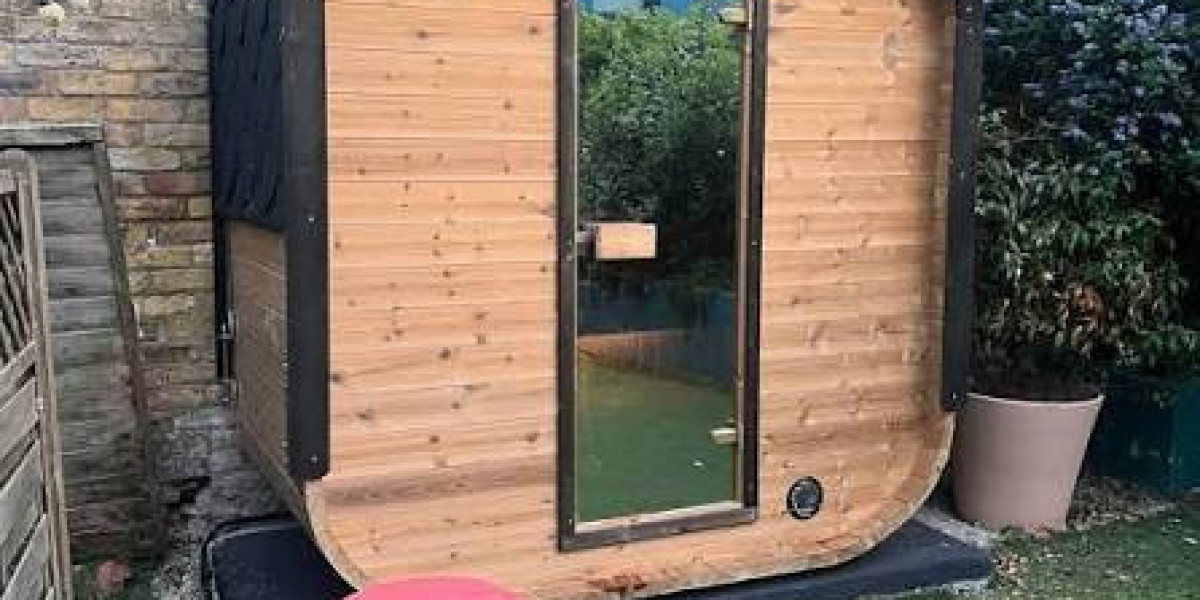

Installing an outdoor sauna is an excellent way to create a relaxing wellness space without leaving the comfort of your home. Whether you want somewhere to unwind after a busy day, enjoy regular heat therapy or create a dedicated space for personal wellbeing, choosing the right position in your garden is an important part of the process. A carefully selected location can make your sauna more comfortable, practical and enjoyable throughout the year.
However, placing a sauna outdoors involves more than finding an empty corner of your garden. You need to consider available space, ground conditions, drainage, privacy, accessibility, electrical requirements and the surrounding environment. The UK's changing weather also makes it important to think about shelter, wind exposure and protection from excessive moisture.
If you are considering Outdoor Saunas UK, understanding these factors before installation can help you make a more informed decision. From choosing a suitable garden area to preparing the ground, every detail contributes to creating a functional and attractive outdoor wellness environment.
1. Assess the Available Space in Your Garden
The first step when planning an outdoor sauna installation is evaluating how much space you have available. Different sauna models have different dimensions, so it is important to understand the size of your preferred unit before deciding where it should go.
Start by measuring the potential installation area. Consider the sauna's external dimensions, including its height, width and depth. You should also leave enough room around the structure for doors to open comfortably, ventilation to function correctly and maintenance to be carried out when necessary.
A compact garden does not necessarily prevent you from enjoying an outdoor sauna. Smaller models can fit into carefully planned spaces, while larger gardens may accommodate a more spacious sauna with additional relaxation areas.
Think about how the sauna will look alongside existing garden features. It should complement your outdoor environment rather than make the space feel overcrowded. Leaving some surrounding space can also improve accessibility and create a more balanced appearance.
2. Choose a Stable and Level Ground Surface
Ground preparation is one of the most important considerations when selecting a location for an outdoor sauna. A sauna needs a stable, level and properly prepared foundation to support its weight and maintain structural stability.
Installing a sauna directly on uneven soil, loose gravel or soft ground may create problems over time. Changes in ground conditions can affect the structure, particularly when the garden experiences prolonged rainfall or seasonal temperature changes.
Depending on the sauna manufacturer's specifications and the characteristics of your garden, suitable foundation options may include:
- A properly constructed concrete base.
- A reinforced paving slab foundation.
- A suitable timber platform designed for outdoor use.
- A professionally prepared compacted foundation.
The appropriate solution depends on the sauna's dimensions, weight and installation requirements. Always check the manufacturer's guidance before choosing a base.
A level foundation also helps ensure that doors operate correctly and the sauna remains properly positioned. If your garden has a noticeable slope, professional ground preparation may be necessary before installation.
3. Consider Drainage and the UK's Weather Conditions
The British climate makes drainage particularly important when choosing a garden location. Frequent rainfall, damp conditions and occasional heavy downpours can affect outdoor structures if water is allowed to collect around their foundations.
Avoid positioning your sauna in naturally low-lying areas where rainwater tends to accumulate. Instead, look for a location where water can drain away effectively without flowing towards the structure.
Good drainage can help protect the foundation, reduce prolonged ground moisture and maintain a cleaner installation area. The surrounding ground should also be designed to prevent water from collecting near the sauna entrance.
It is worth observing your garden during or immediately after rainfall. This can reveal areas that become waterlogged, drainage problems that are not obvious during dry weather and locations that may be more suitable for installation.
For homeowners considering Outdoor Infrared Sauna UK options, weather protection is equally important. Although the sauna is designed for outdoor use, its exterior materials, electrical components and ventilation arrangements must be suitable for the conditions in which it will operate.
Choose a model specifically designed for outdoor installation and follow the manufacturer's recommendations for weatherproofing and maintenance.
4. Select a Location That Offers Privacy
Privacy can significantly influence how comfortable your outdoor sauna experience feels. Since a sauna is intended to provide a personal space for relaxation, you may prefer a position that is not directly overlooked by neighbouring properties or frequently used garden areas.
Look for a quieter section of your garden, away from main pathways, seating areas and busy outdoor spaces. Existing garden features can help create a more private environment.
For example, established hedges, wooden fencing, decorative screens and carefully positioned landscaping can provide visual separation without making the sauna feel enclosed.
However, privacy should not come at the expense of ventilation or accessibility. Avoid surrounding the sauna with dense vegetation or placing it in a completely enclosed area unless the installation design specifically allows for it.
A well-planned position can balance privacy, natural surroundings and practical access, making the sauna feel like a dedicated retreat within your garden.
5. Think About Accessibility and Everyday Convenience
An outdoor sauna should be easy to reach, particularly if you intend to use it regularly throughout the year. A location that looks attractive but is difficult to access during wet or cold weather may become inconvenient over time.
Consider the route between your home and the sauna. Ideally, there should be a clear and practical pathway that remains usable in different weather conditions.
A suitable garden pathway can help reduce the amount of mud and moisture brought into the sauna. Materials such as outdoor paving, suitable decking or properly installed stepping stones may provide a convenient walking surface.
You should also consider where you will keep towels, robes, footwear and other sauna accessories. If there is sufficient room, a nearby storage area or small changing space can make the overall experience more comfortable.
For households with children, older family members or people with limited mobility, accessibility deserves additional attention. A straightforward entrance, appropriate steps and a suitable surrounding surface can improve everyday usability.
6. Check Electrical Supply and Installation Requirements
Electrical planning should be considered before finalising your sauna's position. Different outdoor sauna models have different power requirements, and the electrical supply must be suitable for the equipment being installed.
Some infrared saunas use electrical heating elements that require a dedicated supply, while other models may have different connection specifications. You should never assume that an existing outdoor socket will automatically be suitable.
Before installation, review the manufacturer's electrical specifications, including voltage, power consumption and connection requirements. Ask a qualified electrician to assess the proposed location and determine the appropriate installation arrangements.
Outdoor electrical installations in the UK must comply with applicable wiring regulations and safety requirements. Depending on the installation, appropriate protective devices, suitable outdoor-rated equipment and proper cable routing may be required.
It is also sensible to consider the distance between the sauna and the property's electrical supply. Positioning the sauna too far from the available connection point may increase installation complexity and cost.
Planning the electrical arrangements early can help prevent unnecessary changes after the sauna has been delivered.
7. Consider Sunlight, Shade and Wind Exposure
The amount of sunlight and shade your garden receives can influence where your sauna should be positioned. Although a sauna produces its own heat, the surrounding environment affects comfort when entering, leaving and using the outdoor space.
A location with some natural shelter can make the area more pleasant, particularly during windy or rainy weather. Existing walls, fencing and established landscaping may provide useful protection, provided they do not interfere with ventilation or the manufacturer's clearance requirements.
Direct sunlight may also affect the exterior materials of some sauna models over time. Depending on the construction and finish, prolonged exposure can contribute to fading or material deterioration.
Consider how sunlight moves across your garden during different parts of the day. A partially shaded position may provide a comfortable balance between natural light and protection from excessive exposure.
Wind direction is another useful consideration. An exposed corner of the garden may experience stronger winds, making access less comfortable during colder months.
Choose a position that provides reasonable shelter while maintaining sufficient airflow around the sauna.
8. Keep Appropriate Distance from Trees and Plants
Trees and plants can make an outdoor sauna look attractive, but their position should be considered carefully. Overhanging branches may drop leaves, seeds and debris onto the roof, increasing cleaning and maintenance requirements.
Branches can also create problems during storms or strong winds, particularly if they hang directly above the sauna structure.
Large trees may affect the ground around the installation area through their root systems. Depending on the species and location, roots can interfere with foundations, paving and underground services.
It is also important to leave sufficient room around the sauna for ventilation and maintenance. Dense shrubs and climbing plants should not block air circulation or create persistent damp conditions around the exterior.
Landscaping can still play an important role in the overall design. Low-maintenance plants, decorative borders and suitable garden features can help integrate the sauna into its surroundings without compromising practical requirements.
9. Check Planning Permission and Neighbouring Boundaries
Before installing an outdoor sauna, it is sensible to check whether planning permission or other local requirements apply to your proposed location.
Some smaller garden structures may fall within permitted development rules in England, but this depends on factors such as height, position, property type and other specific conditions. Different planning rules may apply in Scotland, Wales and Northern Ireland.
Additional restrictions may apply to listed buildings, conservation areas, properties with specific planning conditions and certain other locations.
You should also consider the sauna's distance from neighbouring boundaries and nearby buildings. The relevant requirements can depend on the structure's height, design and intended use.
If you are uncertain, contact your local planning authority before beginning installation. Checking the requirements in advance can help you avoid unexpected changes later.
10. Create a Comfortable and Attractive Wellness Area
Once the practical installation requirements have been considered, think about how the sauna will fit into your wider garden design.
An outdoor sauna can become the centrepiece of a dedicated relaxation area. The surrounding environment does not need to be complicated, but thoughtful design can make the space more inviting.
For example, you could incorporate a small seating area, outdoor lighting, decorative paving or carefully selected plants. Natural materials and simple landscaping can complement the sauna's appearance and create a consistent outdoor design.
If you have sufficient space, consider leaving an area nearby where you can sit and relax after your sauna session. A comfortable outdoor bench or weather-resistant seating can provide a useful addition.
Avoid overcrowding the area with unnecessary furniture or decorative features. The main objective should be to create a practical environment where the sauna remains easy to access, maintain and enjoy.
Conclusion
Choosing the right location for an outdoor sauna involves balancing practical installation requirements with comfort, privacy and garden design. Factors such as available space, foundation stability, drainage, electrical supply, accessibility and weather exposure should all be considered before making a final decision.
For homeowners exploring Outdoor Saunas UK, taking time to assess the garden can make a significant difference to the long-term usability of the installation. A stable foundation, suitable drainage and a well-planned position can help create an outdoor wellness space that remains enjoyable throughout the year.
Health Mate offers sauna solutions for homeowners looking to bring the benefits of sauna experiences into their living environments. By exploring the available options and following the relevant installation guidance, you can plan an outdoor sauna area that complements your garden and supports your relaxation routine.
Frequently Asked Questions
1. Where is the best place to install an outdoor sauna in a garden?
The best location is generally a stable, level and well-drained area that provides suitable privacy and convenient access. It should also meet the sauna manufacturer's requirements for ventilation, clearances and electrical installation.
2. Can I install an outdoor sauna in a small UK garden?
Yes. Smaller gardens can accommodate compact outdoor sauna models if sufficient space is available for the unit, entrance and required maintenance access. Measuring the area before purchasing is important.
3. Does an outdoor sauna need a concrete base?
Not necessarily. Some outdoor sauna models can be installed on suitable reinforced paving, decking or other approved foundations. The correct base depends on the sauna's weight, construction and manufacturer's installation instructions.
4. Should an outdoor sauna be placed in direct sunlight?
An outdoor sauna does not necessarily need direct sunlight. A partially shaded location may help protect exterior materials from prolonged exposure while maintaining a comfortable surrounding environment.
5. How important is drainage when installing an outdoor sauna?
Drainage is very important because standing water and persistently damp ground can affect the foundation and surrounding structure. Choose a location where rainwater can drain away effectively.
6. Can I place an outdoor sauna next to my garden fence?
It may be possible, but you should first check the manufacturer's recommended clearances, ventilation requirements and any relevant planning restrictions. Allow enough space for maintenance and safe access.
7. Do outdoor infrared saunas need a special electrical connection?
Electrical requirements depend on the model, its power consumption and the manufacturer's specifications. A qualified electrician should assess the installation and confirm the appropriate supply and protective arrangements.
8. Do I need planning permission for an outdoor sauna in the UK?
Some garden saunas may qualify as permitted development, but this depends on their size, height, location and property circumstances. Rules can differ across the UK, so check with your local planning authority before installation.
9. How can I protect my outdoor sauna from British weather?
Choose a sauna specifically designed for outdoor use, prepare a suitable foundation, ensure effective drainage and follow the manufacturer's recommendations for weather protection, exterior maintenance and ventilation.
10. Can I create a relaxation area around my outdoor sauna?
Yes. You can complement your sauna with suitable outdoor seating, pathways, lighting and low-maintenance landscaping. Make sure these features do not obstruct ventilation, access or maintenance.