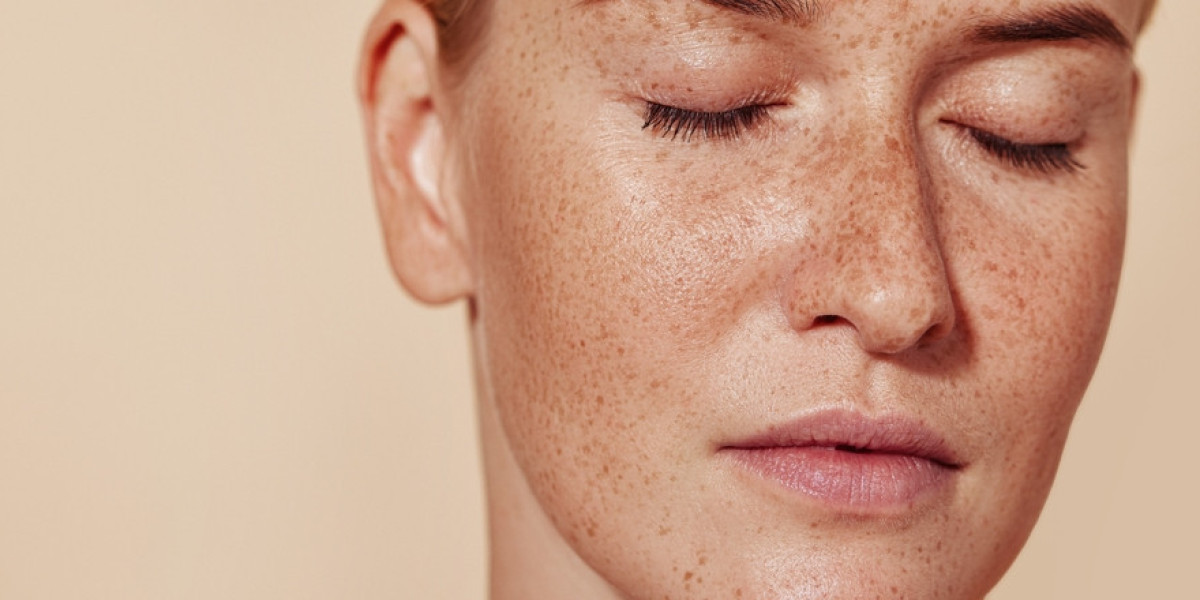

Pigmentation is a common skin concern that affects people of different ages and skin types. It can appear as dark spots, uneven skin tone, patches, or areas of discolouration on the face and body. Sun exposure, hormonal changes, acne marks, ageing, and skin irritation are some of the common reasons behind pigmentation. Although these concerns are not always harmful, they can affect the overall appearance of the skin and make people feel less confident.
Many people consider Pigmentation Treatment in Dubai to improve uneven skin tone and achieve a clearer-looking complexion. However, professional treatments are only one part of an effective skincare approach. Daily skincare habits also play an important role in supporting treatment results and reducing the chances of pigmentation returning.
At Altaderma Clinic, patients can explore suitable options for their skin concerns and learn how to maintain their results through a personalised skincare routine. Understanding the causes of pigmentation, following professional advice, and protecting the skin from sunlight can help support healthier-looking skin.
This article explains the skincare habits that can support pigmentation treatment and the important factors to consider before choosing a procedure.
What Is Pigmentation and Why Does It Develop?
Pigmentation refers to changes in the natural colour of the skin. It happens when the skin produces too much melanin, which is the pigment responsible for skin, hair, and eye colour.
When melanin is produced unevenly or collects in certain areas, dark spots and patches can develop. Pigmentation can appear on the forehead, cheeks, upper lip, chin, neck, hands, and other exposed areas.
There are different types of pigmentation, and each may require a different treatment approach.
Common Types of Skin Pigmentation
Melasma: Melasma appears as brown or grey-brown patches, commonly on the cheeks, forehead, and upper lip. Hormonal changes and sunlight can contribute to its development.
Sunspots: These are dark spots that develop after repeated exposure to ultraviolet rays. They commonly appear on the face, hands, shoulders, and other sun-exposed areas.
Post-Inflammatory Hyperpigmentation: This type develops after skin inflammation or injury. Acne, insect bites, burns, and certain skin treatments can leave dark marks.
Age Spots: These are flat, dark areas that may become more noticeable with age and long-term sun exposure.
Identifying the type of pigmentation is important because the treatment depends on its cause, depth, and severity.
Why Consider Pigmentation Treatment in Dubai?
Pigmentation Treatment in Dubai can help people address uneven skin tone, dark spots, and other forms of discolouration. The suitable treatment depends on the patient's skin condition and the underlying cause of pigmentation.
At Altaderma Clinic, patients can discuss their skin concerns and learn about possible treatment options following a professional assessment.
Improves Uneven Skin Tone
Pigmentation treatments may help reduce the appearance of dark patches and create a more even-looking complexion.
Reduces the Appearance of Dark Spots
Certain treatments target excess melanin and may gradually improve the appearance of sunspots and post-acne marks.
Supports Skin Clarity
By addressing specific pigmentation concerns, suitable treatments can help improve the overall appearance of the skin.
Provides Individual Treatment Options
Different pigmentation concerns require different approaches. A professional assessment helps identify options that are appropriate for the patient's skin type and condition.
Daily Skincare Habits That Support Pigmentation Treatment Results
Professional treatment can help improve pigmentation, but maintaining a healthy skincare routine is equally important. Certain daily habits can protect the skin, reduce irritation, and support treatment results.
1. Apply Sunscreen Every Day
Sun protection is one of the most important habits for people dealing with pigmentation. Ultraviolet radiation can increase melanin production and make existing dark spots more noticeable.
Even after professional treatment, regular sun protection is necessary to help prevent pigmentation from returning.
Choose a broad-spectrum sunscreen with SPF 30 or higher. Apply it to exposed areas of the face and body every morning.
Remember to:
- Apply sunscreen before going outdoors.
- Reapply approximately every two hours when outdoors.
- Reapply after swimming or excessive sweating.
- Protect the face, neck, ears, and hands.
- Wear a wide-brimmed hat when spending time outside.
In sunny environments like Dubai, consistent sun protection is particularly important.
2. Follow a Gentle Cleansing Routine
Cleansing removes dirt, oil, sweat, and other impurities from the skin. However, using harsh cleansers can irritate the skin and make pigmentation concerns worse.
Choose a gentle cleanser suitable for your skin type.
Wash your face in the morning and evening without scrubbing too hard. Avoid products that leave the skin feeling excessively dry or tight.
At Altaderma Clinic, patients can ask for guidance about choosing suitable skincare products after pigmentation treatment.
3. Use Recommended Brightening Ingredients
Certain skincare ingredients can help improve uneven skin tone when used correctly.
Some commonly recommended ingredients include:
Vitamin C: This antioxidant helps protect the skin against environmental damage and can support a brighter-looking complexion.
Niacinamide: It may help improve the appearance of uneven skin tone and support the skin barrier.
Azelaic Acid: This ingredient can help with certain types of pigmentation, particularly post-inflammatory dark marks.
Retinoids: These ingredients support skin cell turnover and may improve some forms of pigmentation over time. They can cause irritation, so they should be introduced carefully under professional guidance.
Not every ingredient is suitable for every skin type. Using too many active products together can irritate the skin and potentially worsen discolouration.
4. Keep Your Skin Properly Moisturised
Moisturising is an important part of maintaining healthy skin. A suitable moisturiser helps support the skin barrier and reduce dryness.
When the skin barrier is healthy, the skin is generally better able to tolerate recommended skincare products.
Choose a moisturiser according to your skin type. Lightweight, non-comedogenic formulas may be suitable for oily or acne-prone skin, while richer moisturisers may benefit dry skin.
Apply moisturiser after cleansing and follow the instructions provided by your skincare professional.
5. Avoid Picking or Scratching Your Skin
Picking pimples, scratching dark spots, or squeezing acne can cause inflammation and increase the risk of post-inflammatory hyperpigmentation.
Even minor skin injuries may leave dark marks, especially in people who are more prone to pigmentation.
Instead of picking at blemishes, use appropriate acne treatments and seek professional advice if breakouts continue.
6. Avoid Harsh Exfoliation
Exfoliation can remove dead skin cells, but excessive exfoliation may damage the skin barrier.
Using strong scrubs, multiple exfoliating acids, or aggressive home treatments can cause redness, irritation, and increased sensitivity.
If you are receiving pigmentation treatment, ask your professional when it is safe to restart exfoliating products.
A gentle skincare routine is often more helpful than using too many products.
7. Maintain a Healthy Lifestyle
Lifestyle habits can also support general skin health. Although food and lifestyle changes cannot independently remove pigmentation, they can contribute to overall skin wellbeing.
Helpful habits include:
- Eating a balanced diet.
- Drinking enough water.
- Getting sufficient sleep.
- Managing daily stress.
- Avoiding smoking.
- Maintaining a consistent skincare routine.
Foods containing antioxidants, vitamins, and other nutrients can support normal skin function.
What Professional Pigmentation Treatments Are Available?
The suitable treatment depends on the type of pigmentation, skin tone, depth of discolouration, and individual medical history.
At Altaderma Clinic, patients can discuss their concerns and learn which options may be appropriate for their skin.
Chemical Peels
Chemical peels use selected exfoliating solutions to remove damaged outer skin cells and encourage skin renewal.
They may help improve certain types of superficial pigmentation, acne marks, and uneven skin tone.
The strength and type of peel should be selected according to the patient's skin condition. Stronger peels are not always better, particularly for skin types that are more likely to develop post-inflammatory pigmentation.
Laser Pigmentation Treatment
Certain laser treatments target pigment in the skin to help reduce the appearance of selected dark spots.
The type of laser and its settings must be chosen carefully. Incorrect treatment or excessive energy can cause burns, scarring, or worsening pigmentation, especially in darker skin tones.
A professional assessment is essential before considering laser treatment.
Medical Skincare Treatments
Some pigmentation concerns can be managed with prescribed topical products. These may include ingredients that help regulate melanin production or improve skin cell turnover.
The treatment plan depends on the cause and severity of pigmentation.
Combination Treatments
In some cases, a professional may recommend a combination of skincare products and in-clinic procedures.
For example, a treatment plan may include a suitable chemical peel along with sunscreen and recommended topical products.
Combining treatments should always be done carefully to avoid irritation.
How Much Does Pigmentation Treatment Cost in Dubai?
The Pigmentation Treatment cost in Dubai can vary depending on the treatment method, skin condition, number of sessions, and clinic facilities.
There is no single price for every patient because pigmentation can differ in type, depth, and severity.
At Altaderma Clinic, patients can discuss their skin concerns and ask about suitable treatment options and pricing during their consultation.
1. Type of Treatment Selected
Different procedures have different costs. Chemical peels, laser treatments, and medical skincare products may have different pricing structures.
The selected option depends on the type of pigmentation and professional recommendations.
2. Number of Sessions Required
Some pigmentation concerns may improve with a limited number of sessions, while others require a longer treatment plan.
The number of sessions depends on how the skin responds and how deeply the pigment is located.
3. Severity of Pigmentation
Mild sunspots may require a different approach from widespread melasma or deeper pigmentation.
More complex concerns may need additional assessment and ongoing management.
4. Products and Equipment Used
The technology, products, and professional facilities used during treatment may also influence the overall cost.
Patients should ask about the treatment method and products before starting.
5. Professional Experience
The qualifications and experience of the medical professional may also affect the treatment price.
Choosing a provider based on appropriate training and safety standards is important.
How to Choose the Best Pigmentation Treatment in Dubai
Choosing the right treatment is important for achieving suitable results while protecting skin health. People searching for the Best Pigmentation Treatment in Dubai should consider more than just the advertised price.
At Altaderma Clinic, patients can discuss their pigmentation concerns and explore treatment options based on their skin condition.
Understand Your Type of Pigmentation
The first step is identifying the cause of the dark spots. Melasma, sunspots, and acne-related pigmentation may require different treatment methods.
Check Professional Qualifications
Choose a qualified medical professional who understands pigmentation and different skin types.
This is especially important before undergoing chemical peels or laser procedures.
Ask About Possible Side Effects
Every treatment has potential risks. Patients should understand the possible side effects, recovery time, and precautions before starting.
Discuss Realistic Results
Pigmentation treatments may improve the appearance of dark spots, but complete removal is not always possible.
Melasma, in particular, can be a long-term condition that requires ongoing management.
Follow a Personalised Treatment Plan
A suitable treatment plan should consider skin sensitivity, medical history, lifestyle, and the cause of pigmentation.
Avoid choosing procedures simply because they are popular or advertised as quick solutions.
How Long Does It Take to See Pigmentation Treatment Results?
The time required to notice improvements depends on the type of pigmentation and the treatment selected.
Some superficial dark spots may gradually improve over several weeks, while deeper pigmentation can take months to respond.
Melasma often requires ongoing care because it can return, especially with sunlight exposure or hormonal changes.
Patients should attend recommended follow-up appointments and avoid changing their skincare routine without professional advice.
Common Skincare Mistakes That Can Make Pigmentation Worse
Even after professional treatment, certain skincare mistakes can affect results.
Skipping Sunscreen
Not applying sunscreen regularly can allow ultraviolet exposure to trigger further pigmentation.
Using Too Many Active Ingredients
Combining several strong skincare ingredients can irritate the skin and make dark marks more noticeable.
Trying Unverified Home Remedies
Applying lemon juice, baking soda, or other irritating substances to the face can damage the skin and increase discolouration.
Expecting Immediate Results
Pigmentation usually takes time to improve. Changing treatments too frequently may irritate the skin and make it difficult to assess progress.
Ignoring Professional Advice
Every skin type responds differently. Following personalised recommendations is important for maintaining skin health.
Why Consider Altaderma Clinic for Pigmentation Treatment?
Choosing a suitable clinic is an important part of managing pigmentation. Patients should look for professional assessment, appropriate treatment options, and clear guidance about skincare and aftercare.
At Altaderma Clinic, patients can discuss concerns such as melasma, sunspots, acne marks, and uneven skin tone.
A personalised consultation can help identify the possible cause of pigmentation and determine which treatment options may be suitable.
Patients can also discuss the Pigmentation Treatment cost in Dubai, expected treatment sessions, possible side effects, and skincare habits that may support their results.
The aim should be to improve the appearance of the skin while maintaining its health and natural balance.
Frequently Asked Questions About Pigmentation Treatment in Dubai
1. What Is the Best Treatment for Skin Pigmentation?
The suitable treatment depends on the type, depth, and cause of pigmentation. Options may include chemical peels, selected laser procedures, and medical skincare products.
2. How Much Does Pigmentation Treatment Cost in Dubai?
The Pigmentation Treatment cost in Dubai depends on the procedure, number of sessions, severity of pigmentation, and products used. A professional consultation can provide a personalised quotation.
3. Can Sunscreen Help Prevent Pigmentation?
Yes. Regular use of broad-spectrum sunscreen helps protect the skin from ultraviolet radiation, which can trigger or worsen pigmentation.
4. Can Pigmentation Return After Treatment?
Yes. Some forms of pigmentation, particularly melasma, can return after treatment. Consistent sun protection and suitable skincare can help manage the condition.
5. How Long Does Pigmentation Treatment Take to Work?
Results vary depending on the treatment and skin condition. Some people notice gradual improvements within weeks, while others may need several months.
6. Is Pigmentation Treatment Suitable for All Skin Types?
Different treatments can be suitable for different skin types, but some procedures carry higher risks for darker or sensitive skin. A professional assessment is necessary before treatment.
7. How Can I Find the Best Pigmentation Treatment in Dubai?
Look for a qualified professional, personalised treatment planning, appropriate technology, clear safety procedures, and realistic advice about results.
Conclusion
Pigmentation can affect the appearance of the skin, but the right treatment approach and consistent skincare habits can help improve uneven skin tone. Professional procedures may reduce the appearance of dark spots, while daily habits such as applying sunscreen, using gentle skincare products, and avoiding skin irritation can support treatment results.
Before choosing Pigmentation Treatment in Dubai, it is important to understand the cause of pigmentation and select an appropriate treatment plan. The Pigmentation Treatment cost in Dubai depends on the procedure, number of sessions, skin condition, and professional expertise.
At Altaderma Clinic, patients can explore suitable pigmentation treatments and receive guidance about maintaining their skin after professional procedures. With personalised care and consistent skincare habits, patients can work towards a healthier and more even-looking complexion.