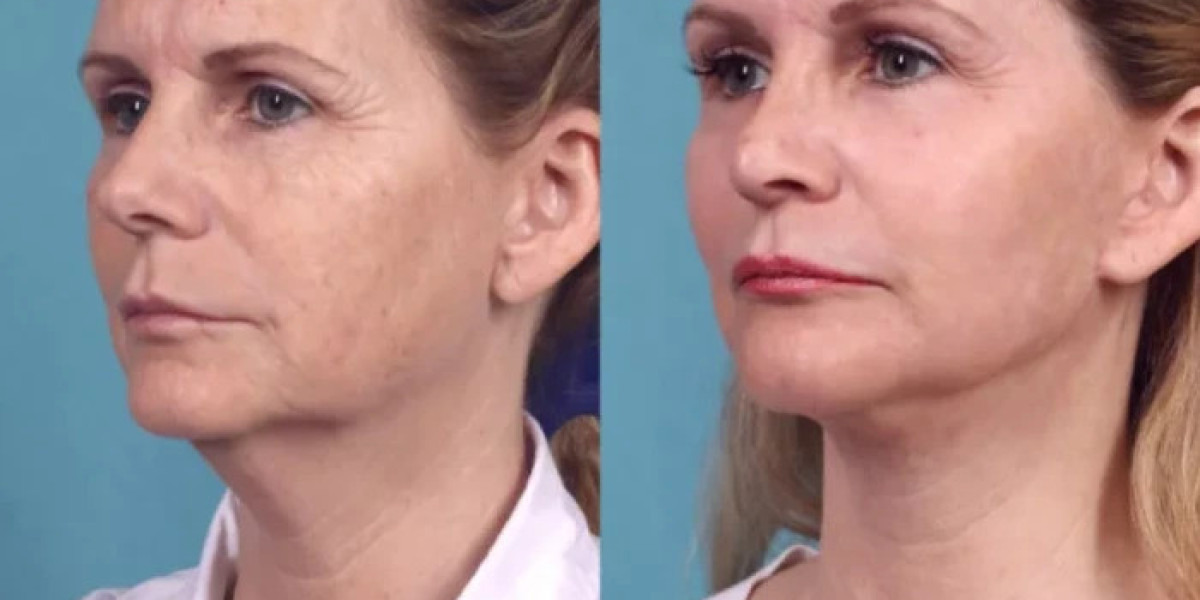

Understanding Visible Sun Damage and Its Common Signs
Sun damage develops when the skin receives repeated exposure to ultraviolet rays. These rays can affect the skin's natural structure and increase pigment production. Over time, this may lead to changes in skin colour, texture, and firmness.
Some common signs of visible sun damage include:
Dark spots: Small areas of increased pigmentation that often appear on the face, hands, and other exposed areas.
Uneven skin tone: Certain areas may look darker or less balanced than the surrounding skin.
Fine lines: Repeated sun exposure can contribute to early signs of ageing.
Rough texture: The skin may feel less smooth because of changes in its outer layers.
Dull appearance: Dead skin cell buildup can make the complexion look tired.
Dryness: Sun exposure may affect the skin barrier and contribute to moisture loss.
Not all dark spots have the same cause. Some may be related to sun exposure, while others may result from acne, hormonal changes, or inflammation. Understanding the type of skin concern is important before choosing an exfoliating treatment.
How Chemical Peel Treatment in dubai Helps Improve Sun-Damaged Skin
Chemical Peel Treatment in dubai is a popular search phrase for people exploring ways to improve visible sun damage. A chemical peel uses selected acids to loosen the bonds between dead skin cells, allowing some of these cells to shed from the surface.
This process can reveal fresher-looking skin underneath. Depending on the peel, it may help improve dullness, rough texture, and certain forms of surface pigmentation.
Some possible benefits include:
Improving the appearance of uneven skin tone.
Reducing the look of selected dark spots.
Removing accumulated dead skin cells.
Making rough skin feel smoother.
Supporting a brighter-looking complexion.
Improving the appearance of mild surface lines.
The results depend on the type of peel and the condition of the skin. Superficial peels mainly work on the outer skin layers, while deeper peels reach further into the skin and involve more recovery time and potential risks.
Chemical peels should not be considered a complete solution for all forms of sun damage. Deeper pigmentation and significant skin changes may need a different approach.
Why Skin Assessment Matters at the Best Aesthetic Clinic in dubai
The phrase Best Aesthetic Clinic in dubai is often used by people researching skincare treatments for pigmentation and sun damage. However, choosing a suitable chemical peel requires more than following popular beauty trends.
Every person's skin has different needs. Some people have mild surface dullness, while others have deeper pigmentation, sensitivity, or visible signs of ageing. A peel that is suitable for one skin type may be too strong for another.
Important factors to consider include:
Skin type and natural sensitivity.
The depth and appearance of dark spots.
Existing dryness or irritation.
Previous reactions to exfoliating ingredients.
Current skincare products.
The amount of sun exposure in daily life.
A careful approach helps reduce the risk of irritation and unwanted pigmentation. The aim should be gradual improvement while protecting the skin's natural barrier.
Chemical Peel Treatment in Dubai for Dark Spots and Uneven Skin Tone
Chemical Peel Treatment in Dubai may help improve the appearance of some dark spots caused by sun exposure. These spots develop when melanin, the pigment responsible for skin colour, increases in certain areas.
Exfoliating ingredients can help remove pigmented cells from the skin's surface. As the outer layer renews, some areas may look more balanced and brighter.
Different ingredients work in different ways:
Glycolic acid: This ingredient helps exfoliate the outer skin layer. It is often used to improve dullness, rough texture, and the appearance of mild pigmentation.
Lactic acid: This is another exfoliating ingredient that may help improve surface texture while being included in formulas designed for a gentler exfoliation experience.
Mandelic acid: It has larger molecules than glycolic acid and is sometimes used in skincare products for selected skin types.
Salicylic acid: This ingredient is commonly used for oily and blemish-prone skin. It helps exfoliate inside pores and may be useful when sun damage occurs alongside clogged pores.
The best ingredient depends on the type of skin concern and individual tolerance. Stronger formulas do not always provide better results. Excessive exfoliation may cause irritation and make pigmentation more noticeable.
How Chemical Peel in Dubai Supports Natural Skin Renewal
Chemical Peel in Dubai is another common phrase used when researching treatments for dullness and sun-related skin changes. The main purpose of a chemical peel is to encourage controlled exfoliation.
The skin naturally sheds old cells and replaces them with new ones. However, dead cells can collect on the surface and make the complexion look rough or tired. Chemical exfoliation helps loosen this buildup.
After treatment, the skin may feel smoother and appear fresher as it recovers. Some people may notice improvements in brightness and texture, while others may need more time to see visible changes.
It is important to allow the skin to recover properly. Peeling, dryness, mild redness, and temporary sensitivity can occur. Pulling loose skin or using strong exfoliating products during recovery may increase irritation.
Celebrity Clinics in Dubai and the Growing Interest in Sun-Damage Treatments
The keyword Celebrity Clinics in Dubai is often connected with online searches about beauty treatments and glowing skin. Public interest in cosmetic skincare has increased awareness of chemical peels and other exfoliating options.
However, celebrity beauty trends should not determine personal skincare decisions. Skin types, pigmentation concerns, and sensitivity levels vary from person to person.
Images shared online may also be affected by lighting, makeup, filters, and editing. As a result, they may create unrealistic expectations about what healthy skin should look like.
Instead of trying to achieve someone else's complexion, it is better to focus on realistic improvements. A smoother texture, more balanced tone, and healthy-looking skin are practical goals.
Dr. perfect celebrity and the Importance of Realistic Skin Improvement Goals
Dr. perfect celebrity is a keyword that may appear in searches related to beauty and skincare topics. When researching chemical peels, it is useful to understand what the treatment can realistically achieve.
Chemical peels may improve selected surface concerns, but they cannot remove every sign of sun damage. Deep wrinkles, significant skin laxity, and some types of pigmentation may not respond fully to exfoliation.
Results also vary according to skin type, treatment strength, and daily sun protection. Some people may notice a brighter appearance after a mild peel, while more persistent concerns may require a longer-term skincare approach.
It is important not to expect completely flawless skin. Natural skin has pores, lines, and colour variations. The goal should be to improve the overall appearance without causing unnecessary stress to the skin.
Perfect Doctors Clinic and General Skin Protection After Sun Exposure
Perfect Doctors Clinic is a phrase that may appear in online searches about aesthetic skincare and chemical peels. When learning about sun-damaged skin, it is helpful to remember that daily protection plays an important role in maintaining results.
A chemical peel may improve the appearance of some existing surface concerns, but it does not prevent future sun damage. Without regular protection, dark spots may return or become more noticeable.
Useful habits include:
Applying broad-spectrum sunscreen with SPF 30 or higher.
Reapplying sunscreen when spending extended time outdoors.
Wearing a wide-brimmed hat in strong sunlight.
Seeking shade during peak sunlight hours.
Wearing protective clothing when appropriate.
Avoiding unnecessary tanning.
Sunscreen should be used every day, even when the weather is cloudy. Ultraviolet exposure can still affect the skin when the sun does not feel particularly strong.
What to Expect During Recovery After a Chemical Peel
The recovery process depends on the type and strength of the peel. Mild treatments may cause temporary dryness or slight redness, while stronger peels can involve more visible peeling and a longer recovery period.
Some common temporary effects include:
Mild redness.
Tight or dry skin.
Light flaking.
Temporary sensitivity.
A feeling of warmth or mild discomfort.
During recovery, the skin needs gentle care. It is important not to scrub, pick, or pull peeling skin. These actions can increase irritation and may lead to unwanted marks.
A mild cleanser and suitable moisturiser can help support the skin barrier. Strong exfoliating acids, retinoids, and harsh scrubs may need to be avoided until the skin has recovered. Sun protection is especially important because recently exfoliated skin may be more sensitive to sunlight.
Who Should Be Careful Before Considering a Chemical Peel?
Chemical peels are not suitable for everyone. People with sensitive or irritated skin should be particularly careful before using exfoliating treatments.
Extra caution may be needed when someone has:
Active skin irritation or inflammation.
Open wounds or broken skin.
Certain skin conditions.
A history of strong reactions to skincare products.
A tendency to develop dark marks after inflammation.
Recent excessive sun exposure or sunburn.
Using a strong peel on irritated or sunburned skin can increase discomfort and may worsen pigmentation. It is important to allow the skin to recover before considering exfoliating treatments.
People should also understand that some dark spots may need further assessment because not every pigmented area is caused by ordinary sun exposure.
Daily Skincare Habits That Help Maintain a Brighter Complexion
A consistent skincare routine can support the appearance of the skin after a chemical peel. Simple habits are often more helpful than using many active products.
A basic morning routine may include gentle cleansing, moisturising, and sunscreen. In the evening, the skin can be cleaned to remove makeup, sunscreen, and daily buildup before applying a suitable moisturiser.
Other helpful habits include:
Avoiding harsh facial scrubs.
Introducing new skincare products gradually.
Keeping the skin moisturised.
Using sunscreen consistently.
Avoiding unnecessary tanning.
Maintaining a balanced daily routine.
It is also important to avoid combining several strong exfoliating products. Too many active ingredients can weaken the skin barrier and lead to dryness, redness, and irritation.
Conclusion: Understanding Chemical Peel Benefits for Visible Sun Damage
Chemical peels can be a useful option for improving the appearance of selected signs of sun damage. They encourage controlled exfoliation, remove accumulated dead skin cells, and may help improve dullness, rough texture, and certain forms of surface pigmentation.
However, results depend on the type of sun damage, skin sensitivity, peel strength, and aftercare. Chemical peels cannot reverse every change caused by sunlight, and stronger treatments are not always better.
A balanced approach includes suitable skincare, gentle exfoliation, moisturising, and regular sun protection. Realistic expectations are also important because gradual improvement is more sustainable than expecting an instant transformation.
By understanding the benefits and limitations of chemical peels, people can make informed choices and focus on maintaining smoother, brighter, and healthier-looking skin over time.