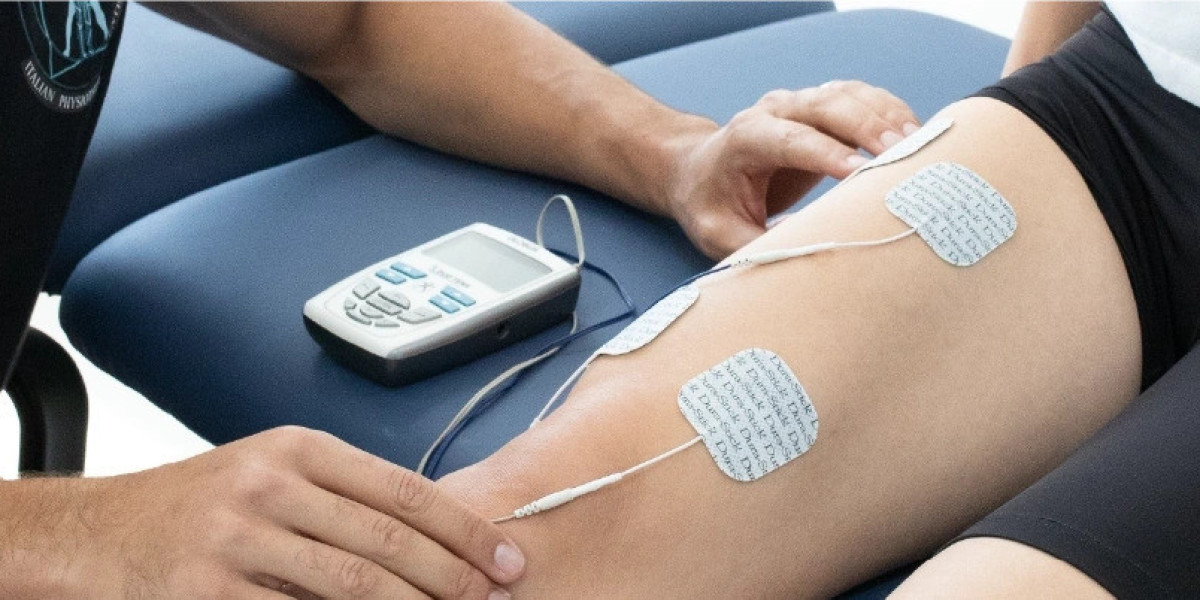

Maintaining good physical health is essential for enjoying an active and comfortable lifestyle. However, injuries, muscle weakness, joint stiffness, poor posture, and movement-related conditions can make everyday activities challenging. Simple tasks such as walking, climbing stairs, lifting objects, sitting for extended periods, or participating in sports may become difficult when the body cannot move comfortably.
Physiotherapy offers a structured approach to improving physical function, restoring mobility, developing strength, and supporting recovery. Through professional assessment, personalized exercise programmes, and appropriate treatment techniques, individuals can work towards better movement and improved physical performance.
Finding the Best physiotherapy in dubai involves understanding individual healthcare needs and choosing a treatment approach that focuses on long-term functional improvement rather than temporary relief.
At Vitruvian Italian Physiotherapy Center, the focus is on personalized physiotherapy that considers each individual's physical condition, lifestyle, movement limitations, and recovery goals. By combining professional guidance with targeted rehabilitation, physiotherapy can help individuals regain confidence in their movements and return to their daily routines.
This guide explores the importance of physiotherapy, common conditions it addresses, available treatment approaches, and how personalized rehabilitation can support better physical function.
Understanding Physiotherapy and Its Importance
Physiotherapy is a healthcare discipline focused on improving movement, physical function, strength, flexibility, and mobility. It uses different treatment techniques and exercises to help individuals manage physical limitations caused by injuries, medical conditions, or lifestyle-related factors.
The human body depends on coordinated movement between muscles, joints, bones, and the nervous system. When one or more of these structures experience limitations, everyday activities can become uncomfortable or difficult.
Physiotherapy aims to address these limitations through an individualized approach.
A physiotherapy programme may focus on:
Improving joint mobility and flexibility.
Strengthening weakened muscles.
Developing better balance and coordination.
Improving posture and movement patterns.
Supporting recovery after injuries.
Reducing movement-related discomfort.
Restoring everyday functional abilities.
Improving physical endurance.
People searching for Physio dubai often want professional support that helps them return to regular activities while improving their overall physical capabilities.
Physiotherapy is not limited to individuals recovering from injuries. It can also support people who want to improve mobility, maintain physical strength, and develop healthier movement habits.
Why Choosing the Right Physiotherapy Center Matters
The quality and structure of physiotherapy care can influence an individual's rehabilitation experience. Every person has different physical requirements, which makes personalized treatment planning particularly important.
A suitable physiotherapy environment should focus on understanding the individual's condition before recommending exercises or treatment techniques.
When considering a Physiotherapy center dubai, several factors deserve attention.
Individual Physical Assessment
A detailed assessment helps identify movement restrictions, muscle weakness, joint stiffness, and other factors that may contribute to physical discomfort.
Personalized Treatment Planning
Treatment should be developed according to the individual's symptoms, physical abilities, lifestyle, and recovery goals.
Professional Physiotherapy Guidance
Qualified physiotherapy professionals can select suitable exercises and treatment techniques based on the individual's condition.
Progressive Rehabilitation
Exercise intensity and treatment methods should be adjusted as physical function improves.
Patient Education
Understanding proper movement techniques and home exercises helps individuals participate actively in their rehabilitation.
At Vitruvian Italian Physiotherapy Center, the focus is on individualized care that supports movement improvement and functional recovery.
Common Conditions That Can Benefit From Physiotherapy
Physiotherapy can support individuals experiencing a wide range of musculoskeletal and movement-related conditions.
The treatment approach depends on the diagnosis, symptoms, and physical requirements of each person.
Lower Back Pain
Lower back discomfort can affect sitting, standing, bending, lifting, and walking. Physiotherapy may include core strengthening, mobility exercises, posture education, and functional movement training.
Shoulder Pain
Shoulder conditions can limit arm movement and make reaching, lifting, and dressing uncomfortable. Targeted rehabilitation may focus on rotator cuff strength, shoulder stability, and joint mobility.
ACL Injuries
Anterior cruciate ligament injuries can affect knee stability, walking, and sports performance. Rehabilitation may involve progressive strengthening, balance training, and movement-control exercises.
Tennis Elbow
Tennis elbow affects the tendons around the outer elbow and may cause discomfort during gripping and lifting activities. Physiotherapy may include progressive tendon loading and forearm strengthening.
Sciatica
Sciatica involves symptoms associated with irritation or compression of the sciatic nerve. Depending on the underlying cause, physiotherapy may focus on appropriate movement, mobility, strength, and functional improvement.
Neck Pain
Poor posture, prolonged computer use, and muscular tension may contribute to neck discomfort. Physiotherapy can help improve neck mobility, muscle function, and postural awareness.
Sports Injuries
Sports-related injuries can affect muscles, tendons, ligaments, and joints. Rehabilitation focuses on restoring strength, coordination, flexibility, and sport-specific movement abilities.
For individuals exploring Best physiotherapy in dubai, understanding the conditions treated by physiotherapists can help them identify appropriate rehabilitation support.
How Physiotherapy Improves Everyday Physical Function
Physical function refers to the body's ability to perform movements and activities required for daily life.
These activities include walking, standing, sitting, lifting, bending, reaching, and maintaining balance.
When pain, weakness, or stiffness interferes with these movements, physiotherapy can help rebuild the physical abilities needed for everyday independence.
Improving Mobility
Mobility exercises help maintain or restore the movement of joints and surrounding tissues. Better mobility can make activities such as walking, bending, and reaching more comfortable.
Developing Muscle Strength
Strengthening exercises improve the muscles responsible for supporting joints and controlling movement.
Enhancing Balance
Balance training helps individuals develop better body awareness and stability. This is particularly important for people recovering from lower-limb injuries or experiencing movement difficulties.
Improving Coordination
Coordinated movement allows different muscles and joints to work together efficiently. Physiotherapy exercises can help develop better movement control.
Increasing Physical Endurance
Gradual conditioning exercises can improve the body's ability to tolerate everyday activities without becoming excessively fatigued.
These improvements can help individuals become more confident and independent in their daily routines.
Different Physiotherapy Treatment Approaches
Physiotherapy includes several treatment approaches that can be combined according to individual requirements.
At Vitruvian Italian Physiotherapy Center, rehabilitation planning focuses on selecting suitable techniques based on the patient's physical condition and functional goals.
1. Exercise Therapy
Exercise therapy is a central part of physiotherapy. It involves structured movements designed to improve muscle strength, joint mobility, flexibility, and coordination.
Exercises may include:
Strengthening exercises.
Stretching routines.
Balance training.
Core stability exercises.
Joint mobility movements.
Functional rehabilitation activities.
The programme is adjusted according to the individual's physical abilities and progress.
2. Manual Therapy
Manual therapy involves hands-on techniques that may help improve joint movement and address muscle tightness.
Depending on the condition, physiotherapists may use appropriate mobilization and soft tissue techniques as part of a broader rehabilitation programme.
3. Postural Rehabilitation
Posture can influence how the muscles and joints function during everyday activities.
Postural rehabilitation focuses on improving body alignment, muscle balance, and movement habits.
4. Sports Rehabilitation
Sports rehabilitation helps athletes and physically active individuals recover from injuries and gradually return to their activities.
It may involve progressive strengthening, balance exercises, agility training, and sport-specific movement practice.
5. Functional Training
Functional rehabilitation focuses on movements that are directly related to daily activities.
Exercises may involve controlled squatting, stepping, lifting, reaching, and walking.
6. Pain Management and Movement Education
Physiotherapists can provide guidance on managing physical discomfort, modifying activities, and developing healthier movement habits.
The objective is to help individuals understand their condition and participate confidently in their recovery.
The Importance of Personalized Physiotherapy Programmes
No two individuals experience exactly the same physical limitations. Even when two people have similar diagnoses, their strength, flexibility, activity levels, and recovery requirements may differ.
A personalized physiotherapy programme considers these differences.
For example, an office worker experiencing back discomfort may need a programme that focuses on posture, core stability, and movement breaks. An athlete recovering from a knee injury may require progressive strengthening, balance development, and sports-specific training.
Personalized rehabilitation offers several advantages:
Treatment addresses individual movement limitations.
Exercises match the person's current physical ability.
Progression can be adjusted according to recovery.
Daily activity requirements are considered.
Treatment goals are easier to monitor.
Individuals receive guidance relevant to their lifestyle.
When searching for Physio dubai, individuals should consider whether the physiotherapy approach focuses on their specific needs rather than offering the same programme to everyone.
Effective Exercises for Better Physical Function
Regular exercise is important for maintaining muscle strength, flexibility, and joint mobility.
A physiotherapist can recommend suitable exercises according to the individual's condition and physical abilities.
The following movements are commonly used in general rehabilitation programmes.
Glute Bridges
Glute bridges help strengthen the gluteal muscles and support hip stability.
To perform this exercise:
Lie on your back with your knees bent.
Keep your feet flat on the floor.
Gently tighten your abdominal muscles.
Lift your hips gradually.
Hold briefly before lowering.
Bird Dog Exercise
This exercise develops core stability and coordination.
To perform it:
Begin on your hands and knees.
Extend one arm forward.
Extend the opposite leg backward.
Maintain a stable trunk.
Return to the starting position and alternate sides.
Wall Push-Ups
Wall push-ups help develop upper-body strength while allowing controlled resistance.
To perform this exercise:
Stand facing a wall.
Place your hands against it at shoulder height.
Slowly bend your elbows.
Bring your upper body towards the wall.
Push gently back to the starting position.
Sit-to-Stand Exercise
This functional exercise strengthens the lower-body muscles and supports everyday movements.
To perform it:
Sit on a stable chair.
Position your feet comfortably.
Lean forward slightly.
Stand up using controlled movement.
Slowly sit down again.
Calf Raises
Calf raises strengthen the lower-leg muscles and support ankle function.
To perform this exercise:
Stand near a stable support.
Keep your feet comfortably positioned.
Slowly rise onto your toes.
Lower your heels gradually.
Exercises should be selected according to individual requirements. Anyone experiencing pain, recent injury, or significant movement limitations should receive professional guidance before starting a new exercise programme.
How Physiotherapy Supports Recovery After Injuries
Injuries can affect muscles, ligaments, tendons, and joints. Depending on their severity, they may limit strength, flexibility, balance, and movement control.
Physiotherapy provides structured support throughout different stages of rehabilitation.
Initial Recovery
The early stage may focus on appropriate movement, managing symptoms, and maintaining suitable physical activity.
Mobility Restoration
Once appropriate, gentle exercises can help improve joint movement and flexibility.
Strength Development
Progressive resistance exercises help rebuild the muscles supporting the affected area.
Balance and Coordination
Balance exercises improve stability and help prepare individuals for more demanding activities.
Functional Rehabilitation
The final stages may involve practising movements related to work, sports, and everyday responsibilities.
This gradual process helps individuals develop the physical abilities needed to return to their preferred activities.
Physiotherapy for Office Workers and Sedentary Lifestyles
Modern work environments often involve extended periods of sitting, computer use, and limited physical movement.
Over time, these habits may contribute to stiffness, muscle weakness, and discomfort around the neck, shoulders, and lower back.
Physiotherapy can help office workers develop better movement habits and improve physical conditioning.
Workstation Adjustments
A comfortable workstation can support better posture. Screen height, chair support, and keyboard positioning should be adjusted to suit individual needs.
Regular Movement Breaks
Standing, walking, and changing positions throughout the day help reduce prolonged static positioning.
Neck and Shoulder Exercises
Suitable mobility and strengthening exercises can improve upper-body movement and muscle function.
Core Strengthening
Core exercises help develop the muscles involved in supporting the trunk during sitting, standing, and everyday activities.
General Physical Conditioning
Walking and regular strengthening activities can improve overall fitness and movement capacity.
For people searching for a Physiotherapy center dubai, access to individualized advice and exercise guidance can be valuable when managing the physical demands of office work.
The Role of Physiotherapy in Sports Performance
Athletes place considerable demands on their muscles and joints through repeated training and competitive activities.
Physiotherapy can help athletes manage injuries, improve movement control, and develop the physical qualities needed for their chosen sports.
A sports rehabilitation programme may include:
Muscle strengthening.
Joint mobility training.
Balance and stability exercises.
Movement coordination.
Agility development.
Sport-specific exercises.
Gradual return-to-training guidance.
Physiotherapy can also help identify movement limitations that may affect athletic performance.
By focusing on strength, flexibility, and movement efficiency, athletes can work towards improved physical function.
What to Expect During Your First Physiotherapy Appointment
Understanding the first appointment can make the physiotherapy experience more comfortable and straightforward.
At Vitruvian Italian Physiotherapy Center, an individualized treatment approach begins with understanding the patient's physical condition and rehabilitation requirements.
Discussion of Symptoms
The physiotherapist may ask about the location, duration, and nature of discomfort, along with activities that make symptoms better or worse.
Medical and Physical History
Previous injuries, surgeries, health conditions, and activity levels may be considered when planning treatment.
Physical Examination
The assessment may include joint mobility, muscle strength, flexibility, posture, balance, and functional movement.
Treatment Recommendations
Based on the findings, the physiotherapist can explain suitable treatment approaches and establish rehabilitation goals.
Home Exercise Guidance
Patients may receive exercises or movement recommendations to continue between appointments.
This structured process helps ensure that treatment decisions reflect individual physical requirements.
How to Choose the Best Physiotherapy in Dubai
Selecting suitable physiotherapy care involves more than finding a convenient appointment. It is important to consider the treatment approach, professional expertise, and attention given to individual rehabilitation needs.
When comparing options for the Best physiotherapy in dubai, consider the following factors.
Qualified Physiotherapists
Professional qualifications and relevant clinical experience are important when assessing physical conditions and planning treatment.
Personalized Care
A suitable treatment programme should reflect the individual's symptoms, movement limitations, and recovery goals.
Comprehensive Assessment
A detailed assessment provides a better understanding of the physical factors contributing to discomfort.
Evidence-Informed Treatment
Treatment approaches should be based on appropriate clinical knowledge and the individual's condition.
Clear Rehabilitation Goals
Patients should understand what their programme aims to improve, whether it involves strength, mobility, balance, or everyday function.
Progress Monitoring
Regular evaluations help determine whether the treatment programme is supporting meaningful physical improvements.
At Vitruvian Italian Physiotherapy Center, the emphasis on personalized treatment and structured rehabilitation supports individuals working towards better movement and physical independence.
How Much Does Physiotherapy Cost in Dubai?
Physiotherapy costs can vary depending on the clinic, treatment requirements, appointment duration, and the complexity of an individual's condition.
People researching Physio dubai may find that treatment fees differ according to the services included and the number of sessions required.
Several factors can influence the overall cost.
Initial Assessment
The first appointment may include a detailed physical examination, movement assessment, and discussion of treatment goals.
Number of Sessions
Some individuals may require a limited number of appointments, while others may benefit from longer rehabilitation programmes.
Type of Treatment
Exercise therapy, manual therapy, sports rehabilitation, and specialized functional training may involve different treatment requirements.
Condition Complexity
The nature and severity of a physical condition can influence the time and professional attention needed during rehabilitation.
Physiotherapist's Experience
Professional expertise and the type of services provided may contribute to differences in treatment fees.
Equipment and Facilities
The rehabilitation facilities and equipment available at a clinic may also influence the overall service cost.
When comparing a Physiotherapy center dubai, individuals should understand what is included in each treatment package and whether the programme addresses their specific needs.
Maintaining Physical Progress After Physiotherapy
Physiotherapy improvements can be supported through consistent movement and healthy daily habits.
Once individuals develop better strength and mobility, maintaining these improvements becomes an important part of long-term physical well-being.
Stay Physically Active
Regular walking and suitable physical activities help maintain general fitness and mobility.
Continue Strengthening Exercises
Follow the maintenance exercises recommended by your physiotherapist to preserve muscle strength.
Maintain Flexibility
Appropriate stretching and mobility activities can help maintain comfortable joint movement.
Use Proper Movement Techniques
Pay attention to posture, lifting methods, and body positioning during everyday activities.
Avoid Sudden Increases in Activity
Gradually increase exercise intensity and physical demands to allow the body to adapt.
Follow Professional Guidance
If symptoms return or movement becomes difficult, arrange an appropriate assessment rather than continuing exercises that aggravate discomfort.
Developing sustainable habits can help individuals maintain their rehabilitation progress and support a more active lifestyle.
When Should You Consider Physiotherapy?
Many people wait until discomfort begins interfering with daily life before seeking professional support. However, an assessment may be useful whenever physical limitations affect normal movement or activity.
Consider consulting a healthcare professional if you experience:
Persistent muscle or joint discomfort.
Reduced flexibility or mobility.
Difficulty walking or climbing stairs.
Muscle weakness following an injury.
Repeated sports-related injuries.
Balance or coordination difficulties.
Stiffness that interferes with everyday activities.
Difficulty returning to exercise after an injury.
Sudden severe pain, significant swelling, new weakness, or major movement limitations following an injury may require prompt medical assessment.
A professional evaluation can help identify the underlying problem and determine whether physiotherapy is appropriate.
Why Vitruvian Italian Physiotherapy Center Focuses on Personalized Rehabilitation
Vitruvian Italian Physiotherapy Center focuses on helping individuals improve physical function through personalized physiotherapy and structured rehabilitation.
Every individual has different movement requirements, physical limitations, and recovery goals. A suitable physiotherapy programme should therefore consider the complete picture rather than concentrating only on one painful area.
The rehabilitation approach may involve:
Individual physical assessments.
Personalized exercise programmes.
Strength and conditioning exercises.
Joint mobility and flexibility training.
Postural improvement.
Balance and coordination development.
Sports injury rehabilitation.
Functional movement training.
Home exercise recommendations.
The objective is to help individuals improve their ability to move, work, exercise, and participate in everyday activities with greater confidence.
Whether someone is recovering from an injury, managing persistent discomfort, or looking to improve mobility, personalized physiotherapy can provide structured support based on their physical needs.
Conclusion
Physiotherapy plays an important role in improving movement, restoring strength, developing flexibility, and supporting better physical function. From managing back and shoulder discomfort to recovering from sports injuries, personalized rehabilitation can help individuals work towards improved mobility and everyday independence.
Finding the Best physiotherapy in dubai involves choosing an approach that considers individual requirements, professional assessment, and meaningful rehabilitation goals.
For those exploring Physio dubai, understanding available treatment methods and the importance of personalized care can help them make informed decisions about their physical health.
At Vitruvian Italian Physiotherapy Center, the focus is on individualized assessment, targeted exercises, and progressive rehabilitation. With suitable professional guidance and consistent participation, individuals can work towards stronger muscles, better mobility, improved coordination, and a more active lifestyle.