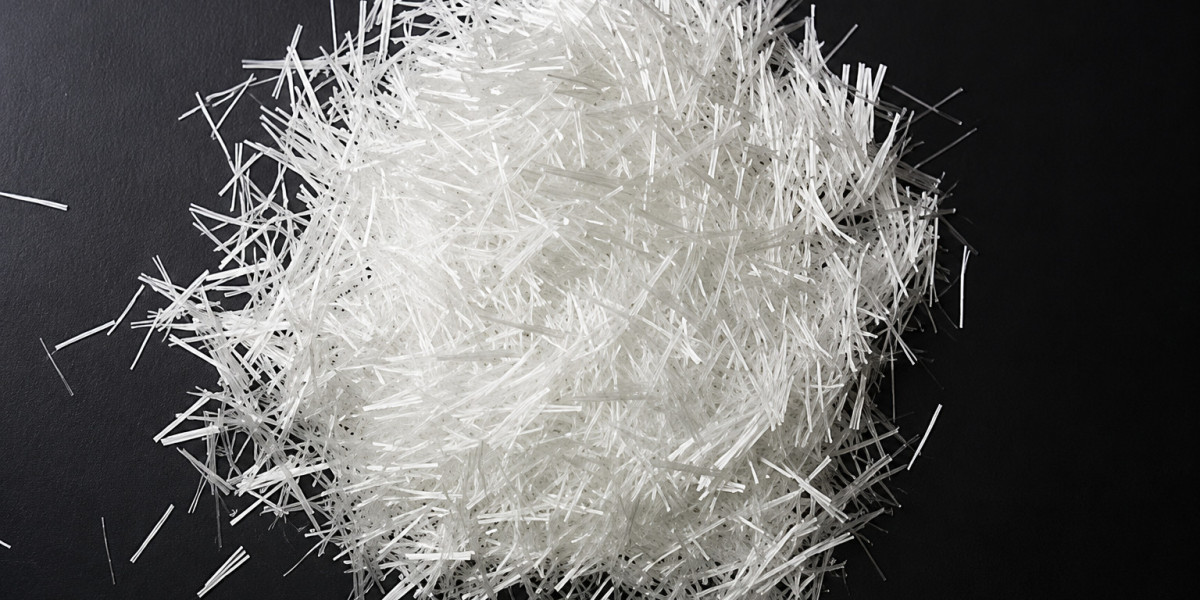

Fiberglass is a lightweight, durable, and versatile composite material made from extremely fine glass fibers combined with a resin. It is widely used in industries such as construction, automotive, aerospace, marine, and manufacturing because of its excellent strength, corrosion resistance, and affordability. Unlike traditional materials such as steel or wood, fiberglass offers a unique combination of high strength and low weight, making it suitable for countless applications. Whether it is used to manufacture boats, insulation, roofing panels, or storage tanks, fiberglass continues to be one of the most reliable engineering materials available today.
What Is Fiberglass Made Of?
Fiberglass is primarily made from silica sand, limestone, soda ash, and other natural minerals. These raw materials are melted at extremely high temperatures until they become liquid glass. The molten glass is then pushed through tiny holes to create thin glass fibers. These fibers are woven into sheets or mats and combined with polyester, vinyl ester, or epoxy resin to produce strong composite materials. The resin acts as a binder, while the glass fibers provide strength and durability.
How Is Fiberglass Manufactured?
The manufacturing process begins with melting the raw minerals inside a furnace at temperatures exceeding 1,400°C. Once melted, the glass flows through specialized equipment that forms extremely fine filaments. These fibers are cooled, coated with protective chemicals, and woven into fabrics or mats. Manufacturers then combine these fibers with resin through molding, spraying, or hand lay-up methods. After curing, the material becomes rigid, lightweight, and highly durable, making it suitable for industrial and commercial applications.
History of Fiberglass
Fiberglass was first developed during the early twentieth century and became commercially popular in the 1930s. Scientists initially experimented with glass fibers for insulation purposes, but manufacturers soon realized that combining glass fibers with resin created an exceptionally strong composite material. Since then, fiberglass has evolved significantly and is now used in everything from aircraft components to home insulation. Modern production techniques have further improved its strength, flexibility, and environmental performance.
Main Properties of Fiberglass
Fiberglass possesses several outstanding physical and chemical properties that make it one of the most preferred composite materials. It is lightweight, corrosion-resistant, non-conductive, moisture-resistant, and capable of withstanding harsh environmental conditions. Additionally, fiberglass offers excellent thermal insulation and dimensional stability. These properties allow it to perform reliably in industries where durability and low maintenance are essential.
Types of Fiberglass
Several different types of fiberglass are manufactured for specific applications. E-glass is the most common variety and is widely used in electrical insulation and construction. S-glass provides higher tensile strength and is commonly found in aerospace and military applications. C-glass offers excellent chemical resistance, while A-glass is primarily used in window manufacturing. Specialized fiberglass types such as AR-glass and R-glass are also available for unique industrial requirements.
Advantages of Fiberglass
Fiberglass offers numerous advantages over conventional materials. It is significantly lighter than steel while maintaining impressive structural strength. It resists rust, corrosion, chemicals, moisture, and UV exposure, making it ideal for outdoor environments. Fiberglass also requires minimal maintenance and has a long service life. Its ability to be molded into complex shapes gives manufacturers tremendous design flexibility while reducing production costs.
Disadvantages of Fiberglass
Despite its many benefits, fiberglass has a few limitations. It can crack under severe impact if not properly reinforced. During installation or cutting, tiny glass fibers may irritate the skin, eyes, and respiratory system, requiring protective equipment. Fiberglass also has lower stiffness compared to some metals and may require additional reinforcement for heavy structural loads. Proper handling and installation help minimize these disadvantages.
Common Uses of Fiberglass
Fiberglass is used across numerous industries because of its versatility. Construction companies use it for roofing sheets, wall panels, insulation, and doors. The marine industry relies on fiberglass for boats, yachts, and docks because it resists water damage. Automotive manufacturers produce body panels, bumpers, and racing components using fiberglass. Aerospace companies utilize fiberglass for aircraft interiors and structural components. It is also commonly found in storage tanks, pipes, swimming pools, ladders, and electrical equipment.
Fiberglass in Construction
Construction is one of the largest consumers of fiberglass materials. Builders use fiberglass insulation to improve energy efficiency while reducing heating and cooling costs. Fiberglass reinforcement is also incorporated into concrete structures to increase strength without adding significant weight. Roofing panels, windows, doors, and decorative architectural elements frequently contain fiberglass because it withstands harsh weather conditions and requires minimal maintenance.
Fiberglass in the Automotive Industry
Automobile manufacturers value fiberglass because it reduces vehicle weight while maintaining structural integrity. Lightweight vehicles consume less fuel and produce lower emissions. Fiberglass components are commonly used in sports cars, racing vehicles, trucks, buses, and specialty vehicles. Car body kits, hoods, fenders, and interior panels often feature fiberglass due to its excellent moldability and affordability.
Fiberglass in Marine Applications
Fiberglass has become the standard material for manufacturing boats and marine equipment. Unlike wood or steel, fiberglass does not rot or rust when exposed to saltwater. Its lightweight construction improves fuel efficiency while maintaining strength and durability. Boat hulls, decks, cabins, and fishing equipment commonly utilize fiberglass because of its long-lasting performance in demanding marine environments.
Fiberglass for Insulation
One of the most familiar applications of fiberglass is thermal insulation. Fiberglass insulation traps air within tiny glass fibers, reducing heat transfer between indoor and outdoor environments. Homes, offices, and industrial buildings use fiberglass insulation to improve comfort while lowering energy bills. It also provides sound insulation, making buildings quieter and more energy efficient.
Is Fiberglass Safe?
Fiberglass is generally considered safe when properly manufactured and installed. Finished fiberglass products do not normally release harmful substances during everyday use. However, handling raw fiberglass or cutting fiberglass materials can release tiny airborne fibers that may irritate the skin, eyes, and lungs. Wearing gloves, safety glasses, long sleeves, and respiratory protection significantly reduces these risks. Following manufacturer safety guidelines ensures safe handling.
Fiberglass vs Carbon Fiber
Although fiberglass and carbon fiber are both composite materials, they differ significantly in performance and cost. Carbon fiber is lighter, stronger, and stiffer but considerably more expensive. Fiberglass provides an excellent balance between strength, affordability, and durability, making it the preferred option for many commercial applications. For industries requiring maximum performance, carbon fiber may be selected, whereas fiberglass remains ideal for general-purpose manufacturing.
Fiberglass vs Steel
Compared to steel, fiberglass weighs much less while offering excellent corrosion resistance. Steel provides greater load-bearing capacity but requires protective coatings to prevent rust. Fiberglass does not corrode in wet or chemically aggressive environments, reducing long-term maintenance costs. These characteristics make fiberglass especially attractive for marine structures, chemical plants, and outdoor installations.
Environmental Impact of Fiberglass
Fiberglass production consumes energy because glass must be melted at high temperatures. However, fiberglass products have long service lives, reducing replacement frequency and conserving resources over time. Many manufacturers are developing recyclable fiberglass technologies and sustainable production methods to minimize environmental impact. Continued innovation is making fiberglass manufacturing more environmentally responsible.
Maintenance of Fiberglass Products
Fiberglass products require very little maintenance compared to traditional materials. Regular cleaning with mild soap and water removes dirt and contaminants. Protective coatings or gel coats may occasionally be reapplied to restore appearance and improve UV resistance. Small cracks or surface damage can usually be repaired using fiberglass repair kits, extending product life significantly.
Future of Fiberglass
The future of fiberglass looks promising as industries increasingly seek lightweight, durable, and energy-efficient materials. Advances in resin technology, manufacturing automation, and recycling methods continue improving fiberglass performance while reducing environmental impact. Demand is expected to grow across renewable energy, electric vehicles, infrastructure, aerospace, and advanced construction projects.
Conclusion
Fiberglass has become one of the world's most valuable engineering materials because it combines strength, durability, lightweight performance, and affordability. From construction and transportation to marine and industrial manufacturing, fiberglass plays an essential role in modern infrastructure. Its resistance to corrosion, moisture, chemicals, and harsh weather makes it a preferred choice for countless applications. Understanding what is fiberglass, how it is made, and where it is used helps businesses and consumers make informed decisions when selecting reliable materials for long-term performance.