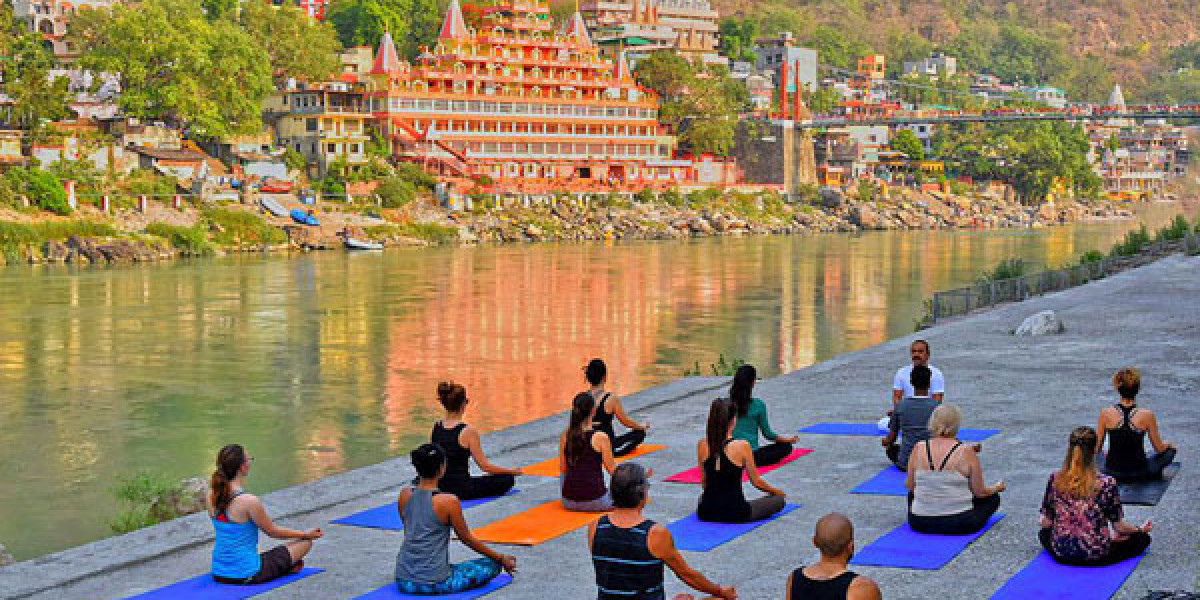

Choosing the right yoga teacher training program can shape your skills, confidence, teaching style, and future career as a yoga instructor. A 300 hour yoga teacher training India is especially valuable for practitioners who have already completed foundational training and want to move toward deeper study and more advanced teaching. However, with many yoga schools and programs available, deciding which one is genuinely right for you can feel overwhelming.
The best program is not necessarily the most expensive, the longest, or the one with the most attractive website. Instead, it should match your goals, learning style, experience level, and expectations. You should also carefully examine the curriculum, teachers, accreditation, practical training, accommodation, location, student reviews, and overall learning environment before making a decision.
Here are the most important factors to consider when choosing a 300 hour yoga teacher training program in India.
Understand What a 300 Hour Yoga Teacher Training Means
A 300 Hour program is generally considered advanced yoga teacher training. It is designed to build upon foundational knowledge rather than simply repeat the subjects normally introduced during a beginner-level course. Yoga Alliance describes RYS 300 training as advanced education that deepens understanding of yoga practice and teaching and develops more detailed or subtle teaching skills. Its standards include techniques and practice, teaching methodology, anatomy and physiology, yoga philosophy and ethics, and practicum.
For this reason, you should first determine whether you are ready for an advanced program. Many 300 Hour courses expect students to have already completed a 200-hour teacher training or equivalent foundational education.
A good 300 Hour course should challenge you while still providing enough guidance to help you progress safely.
Check the School's Accreditation and Recognition
One of the first things to investigate is the school's credentials. If international recognition is important to you, check whether the school is currently registered with the organization whose credential you intend to pursue.
For example, Yoga Alliance maintains standards for Registered Yoga Schools, including RYS 300 programs. Its current RYS 300 framework identifies five educational categories that should be represented in the training: techniques, training and practice; teaching methodology; anatomy and physiology; yoga philosophy, lifestyle and ethics; and practicum.
Do not rely only on statements such as "internationally recognized" or "globally certified." Visit the relevant official registry and verify the school's current status yourself.
You should also ask what certificate you will receive after successful completion and whether the certificate contains the information required by the relevant registration body. Yoga Alliance, for example, has specific certificate requirements for RYS graduates.
Examine the Curriculum Carefully
The curriculum is arguably more important than the name of the course.
Before enrolling, request a detailed syllabus. Look for subjects that genuinely develop advanced teaching abilities rather than simply extending the same beginner material for another 300 hours.
A strong program may include areas such as:
Advanced asana and sequencing
Pranayama and meditation
Functional anatomy
Applied biomechanics
Yoga philosophy
Teaching methodology
Advanced alignment and modifications
Class planning
Hands-on or verbal adjustment principles
Meditation techniques
Subtle aspects of yoga practice
Ethics and professional development
Teaching practicum
Specialized workshops
The exact curriculum will vary between schools, but it should have a clear educational structure and learning objectives.
Yoga Alliance also states that RYS programs should assess students' knowledge, skills, and experience before issuing a training certificate. This is an important point when comparing schools because simply attending classes is not necessarily the same as becoming a competent teacher.
Research the Teachers
An excellent curriculum can lose much of its value if the teaching team lacks experience or the ability to communicate effectively.
Research the lead trainers and other instructors before booking your course. Look at their teaching experience, educational background, areas of specialization, and practical experience.
You can also search for interviews, workshops, lectures, articles, or videos featuring the teachers. These can give you an idea of their communication style and teaching philosophy.
Do not choose a school solely because a teacher has a long list of qualifications. Teaching experience, clarity, patience, accessibility, and the ability to work with students at different levels are equally important.
A good teacher should encourage questions rather than make students feel uncomfortable for not understanding something immediately.
Look for Plenty of Teaching Practice
One of the biggest differences between learning yoga and learning to teach yoga is practical experience.
A 300 hour program should give you opportunities to teach, receive feedback, observe other teachers, and improve your classes. Practicum is specifically included among the educational categories for RYS 300 programs.
Ask the school:
How many teaching-practice sessions are included?
Will I teach complete classes?
Do instructors provide individual feedback?
Will I practice teaching different levels of students?
Are sequencing and class planning assessed?
How are students evaluated?
A program that provides hundreds of hours of lectures but very little teaching practice may not adequately prepare you for real classroom situations.
Consider the Location in India
India offers many destinations for yoga education, and each has a different atmosphere.
Rishikesh is particularly popular among international yoga students because of its long association with yoga, spiritual traditions, ashrams, teacher-training schools, and the Himalayan environment. Other locations can offer different experiences, including coastal settings, quieter rural environments, or traditional ashram communities.
Think about the type of environment in which you learn best.
If you prefer a lively international yoga community, a destination such as Rishikesh may appeal to you. If you want solitude and a quieter routine, another location might be more suitable.
The location should support your learning rather than distract from it.