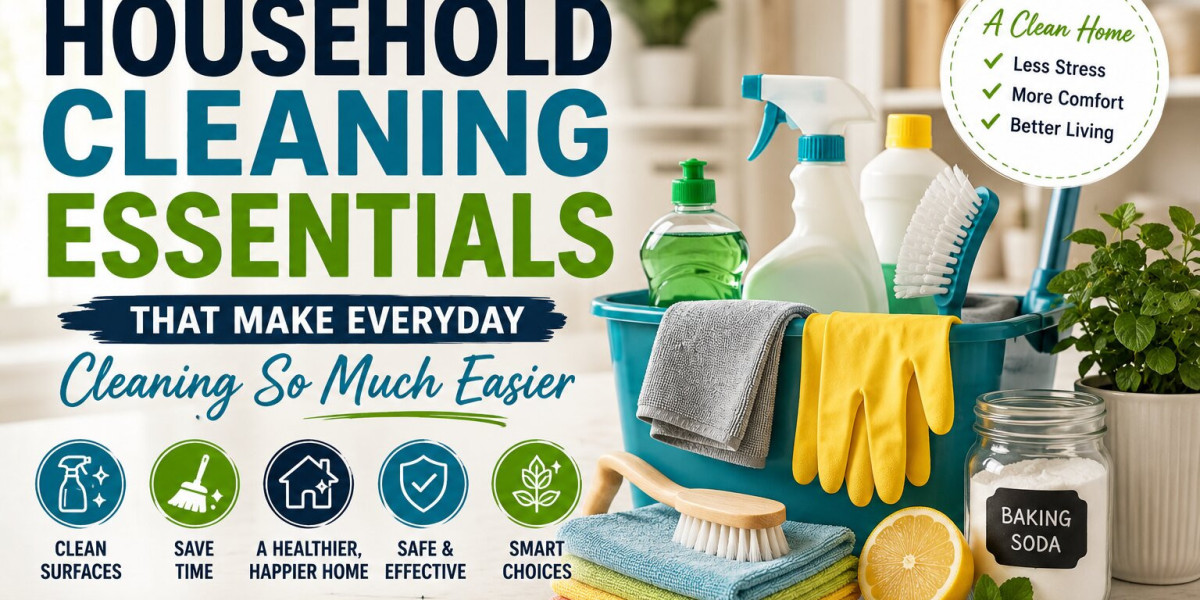

Cleaning the house doesn't have to feel like a never-ending chore.
Sometimes the biggest problem isn't the amount of cleaning itself. It's having the wrong tools, searching for supplies when you need them, or using several products when one simple solution could do the job. A well-organized collection of Household Cleaning Essentials can make everyday cleaning faster, simpler, and much less frustrating.
You don't need a cupboard packed with dozens of specialized products. In most homes, a practical selection of basic tools can handle dust, spills, kitchen messes, bathroom buildup, dirty floors, fingerprints, and everyday clutter.
The trick is knowing what you actually need and understanding how each item fits into your routine.
Whether you're setting up your first home, replacing worn-out supplies, or simply trying to make cleaning more efficient, this guide covers the essentials worth keeping around.
Why the Right Cleaning Supplies Matter
Imagine noticing crumbs on the kitchen floor while you're preparing dinner.
You could leave them there until the weekend, but that often makes a small mess turn into a bigger one. If your broom, dustpan, or vacuum is easy to reach, you can deal with the problem in less than a minute.
That's the real value of good cleaning supplies.
The goal isn't to own more products. It's to make everyday cleaning convenient enough that small tasks don't feel like major projects.
The right tools can help you:
- Remove messes quickly
- Keep surfaces looking cleaner
- Reduce unnecessary scrubbing
- Handle spills before they become stains
- Maintain floors more easily
- Organize your cleaning routine
- Spend less time looking for supplies
A practical cleaning kit can also encourage consistency. When everything has a place, it's easier to clean a little as you go rather than waiting for a large cleaning session.
1. Microfiber Cleaning Cloths
A few good microfiber cloths deserve a permanent place in almost every cleaning cupboard.
They're useful for wiping countertops, tables, shelves, appliances, mirrors, glass, and many other surfaces. Their soft texture also makes them useful when you want to clean without unnecessarily scratching delicate surfaces.
Keep several cloths available so you can assign them to different tasks.
For example, you might use separate cloths for:
- Kitchen surfaces
- Bathroom surfaces
- Glass and mirrors
- Dusting
- General household cleaning
Separating cloths can help reduce cross-contamination, particularly when cleaning kitchens and bathrooms.
Wash reusable microfiber cloths according to their care instructions and allow them to dry completely before storing them.
One of the biggest advantages is simple convenience: instead of grabbing paper towels every time something needs wiping, you have a reusable option ready to go.
2. A Reliable Broom and Dustpan
Even homes with a vacuum cleaner can benefit from having a broom and dustpan nearby.
A broom is particularly convenient for quick jobs.
Someone drops cereal on the kitchen floor? Grab the broom.
A little soil falls from a plant? Sweep it up.
You notice dust collecting along the edges of a room? A quick sweep can take care of it.
You don't always need to bring out a full-size vacuum for a tiny mess.
Choose a broom that feels comfortable in your hands and has bristles suited to the flooring in your home. A dustpan with a comfortable handle can also make cleanup easier because you won't have to bend repeatedly.
Store the broom somewhere accessible rather than hiding it in a difficult-to-reach corner.
Convenience matters when you're trying to build a regular cleaning habit.
3. A Vacuum Cleaner
A vacuum cleaner is one of the most useful Household Cleaning Essentials for removing dust, hair, crumbs, and debris from floors and other surfaces.
The best type depends on your home.
A compact vacuum may work well for a smaller apartment. A full-size upright or canister model can be useful for larger homes. A cordless vacuum may offer additional convenience for quick cleanups.
Think about your flooring before choosing one.
Carpet can require different cleaning performance from hardwood, tile, laminate, or other hard surfaces.
Attachments can also make a difference. A crevice tool can reach narrow spaces, while a brush attachment can help with furniture and other surfaces.
You don't necessarily need the most complicated vacuum available.
A model that's easy to use and easy to store may encourage you to clean more often than a bulky machine that takes effort to set up.
4. A Mop for Hard Floors
Floors collect plenty of dirt even when they look reasonably clean.
Dust, food particles, footprints, and small spills can gradually build up. Sweeping or vacuuming removes loose debris, but many hard floors also benefit from appropriate damp cleaning.
A mop can make this task much easier.
There are several styles available, including:
- Flat mops
- Spray mops
- String mops
- Sponge mops
- Microfiber mops
Your choice should depend on the flooring in your home and the cleaning method recommended by the floor manufacturer.
Avoid soaking flooring that isn't designed to handle excessive moisture.
A mop with a washable pad can also be convenient because you can reuse the pad instead of constantly replacing disposable materials.
5. A Bucket
A bucket may seem extremely basic, but it's one of those items you appreciate once you need it.
It's useful for mixing appropriate cleaning solutions, carrying water, rinsing cloths, and handling larger cleaning tasks.
Choose a bucket that's sturdy enough to carry comfortably and has a secure handle.
If storage space allows, you can keep your basic cleaning supplies together in or near the bucket. This effectively creates a portable cleaning kit.
That means you can carry what you need from one room to another instead of repeatedly walking back to the cleaning cupboard.
6. A Good Scrub Brush
Some messes simply require more than a cloth.
A scrub brush can help tackle stubborn dirt on appropriate surfaces, particularly in areas such as bathrooms, kitchens, utility spaces, and outdoor areas.
Different brushes serve different purposes.
A small brush can reach corners and narrow spaces.
A larger brush can cover more surface area.
A stiff-bristle brush can be useful for appropriate heavy-duty tasks, while a softer brush may be better for surfaces that could scratch.
Always consider the surface before scrubbing aggressively.
More pressure doesn't automatically mean better cleaning. Sometimes the wrong brush can damage a finish.
7. A Squeegee for Glass and Shower Surfaces
If your bathroom has glass shower doors, a small squeegee can become surprisingly useful.
Water left on glass can dry and leave mineral deposits or spots. Removing excess water after a shower can help keep the surface looking cleaner between deeper cleaning sessions.
You can also use an appropriate squeegee on certain smooth glass surfaces around the home.
The key is making it part of your routine.
A quick wipe after a shower takes much less effort than waiting for buildup to accumulate and then spending considerably longer cleaning it.
8. A Duster or Extendable Dusting Tool
Dust doesn't only collect on tables.
It can settle on ceiling fans, shelves, light fixtures, vents, picture frames, blinds, and other hard-to-reach areas.
An extendable duster can help you reach these spaces without constantly moving furniture or climbing on unstable objects.
When dusting, work from higher surfaces toward lower ones.
Why?
Dust falls.
If you clean the floor first and then dust the ceiling fan, you'll probably have to clean the floor again.
A top-to-bottom approach can save time.
9. A Small Cleaning Caddy
One of the simplest ways to improve a cleaning routine is to keep commonly used supplies together.
A cleaning caddy can hold items such as:
- Microfiber cloths
- Small brushes
- Sponges
- Appropriate cleaning products
- Gloves
- A small scrubber
Instead of carrying individual items around the house, you can move the entire kit from room to room.
This is particularly useful if your cleaning supplies are stored far from the rooms you clean most often.
A caddy also helps prevent supplies from becoming scattered throughout the house.
10. Sponges and Non-Scratch Scrubbers
Sponges are useful for everyday kitchen and bathroom cleaning.
A soft sponge can wipe away food residue, soap residue, and other light messes. A suitable scrubber can handle more stubborn material.
However, don't assume every scrubber is safe for every surface.
Some abrasive materials can scratch:
- Stainless steel
- Nonstick cookware
- Glass
- Certain countertops
- Finished surfaces
Check the manufacturer's guidance for the surface and cleaning tool before using anything abrasive.
Also replace sponges regularly when they become worn, damaged, or difficult to clean properly.
11. A Good Pair of Cleaning Gloves
Cleaning gloves aren't glamorous, but they're practical.
They can help protect your hands from prolonged exposure to water, grime, and cleaning products.
Choose gloves that fit comfortably and allow enough flexibility for the tasks you're doing.
If you're using a cleaning chemical, read the product label and follow its safety instructions. Gloves should complement safe handling rather than replace it.
After cleaning, rinse reusable gloves as appropriate and allow them to dry thoroughly.
12. Appropriate All-Purpose Cleaner
An all-purpose cleaner can simplify your supply cupboard because one suitable product may handle many routine surfaces.
However, "all-purpose" doesn't mean "safe for everything."
Natural stone, unfinished wood, delicate finishes, electronics, and certain specialty surfaces may require different products or cleaning methods.
Always read the label before using a cleaner.
If you're uncertain about a surface, test the product according to the manufacturer's recommendations in an inconspicuous area first.
The goal is to clean the surface without damaging its finish.
13. Glass Cleaner
Windows and mirrors often show fingerprints, water spots, and streaks more clearly than other surfaces.
A suitable glass cleaner can make these jobs easier.
For better results, use a clean microfiber cloth rather than an old cloth that has already collected dust or residue.
Avoid using excessive product.
More cleaner doesn't necessarily produce a cleaner window. Too much liquid can leave residue and make streaks more noticeable.
14. Baking Soda for Simple Cleaning Tasks
Baking soda is another useful household item for certain cleaning jobs.
Its mildly abrasive nature can help with some stubborn residue, while its odor-absorbing properties make it useful in appropriate situations.
It can be used for tasks such as:
- Freshening certain surfaces
- Cleaning some kitchen areas
- Deodorizing certain household spaces
- Helping loosen some stuck-on residue
However, baking soda isn't appropriate for every material.
Use care on delicate or easily scratched surfaces.
Also remember that mixing random household substances isn't automatically safer or more effective.
15. A Trash Bag Supply
Cleaning often creates waste.
Whether you're clearing old packaging, wiping out a cupboard, cleaning the refrigerator, or organizing a room, having trash bags available prevents interruptions.
Keep a small supply near the main waste bin or cleaning area.
You can also keep different sizes available if your home produces different types of waste.
It's a tiny organizational step, but it can prevent the frustrating situation of discovering that you've run out of bags halfway through a cleaning job.
How to Organize Your Household Cleaning Essentials
Having the right supplies is only half the battle.
You also need to know where they are.
A simple system can make a major difference.
Keep Frequently Used Items Accessible
Your most-used cloths, brushes, and cleaning tools shouldn't be buried behind rarely used products.
Keep everyday supplies somewhere easy to reach.
Group Similar Items Together
Put floor-cleaning supplies together.
Keep bathroom tools in another section.
Store cloths and reusable cleaning materials where they can dry properly.
Label When Necessary
If you transfer a cleaning product into another container, follow the product manufacturer's safety guidance and ensure the contents remain clearly identifiable.
Never place cleaning chemicals in food or drink containers.
Keep Cleaning Products Away From Children and Pets
Store cleaning chemicals securely and follow label directions for safe storage.
Some household cleaners can be dangerous if swallowed, inhaled, or exposed to skin or eyes.
A Simple Daily Cleaning Routine
You don't need to clean the entire house every day.
Instead, focus on small tasks that prevent messes from accumulating.
Morning
Make the bed and quickly tidy visible clutter.
During the Day
Clean spills when they happen.
Return frequently used items to their proper places.
Wipe kitchen surfaces after food preparation.
Evening
Clear dishes and wipe down appropriate kitchen surfaces.
Sweep or vacuum high-traffic areas if necessary.
Spend a few minutes putting things back where they belong.
These small actions can dramatically reduce the amount of work required during your weekly cleaning session.
A Weekly Cleaning Routine
Once a week, you can move beyond quick maintenance.
Consider:
- Vacuuming thoroughly
- Mopping hard floors
- Dusting furniture
- Cleaning mirrors
- Cleaning bathroom surfaces
- Wiping frequently touched areas
- Emptying smaller trash bins
- Cleaning kitchen appliances as needed
- Changing or washing reusable cleaning materials
You don't have to complete everything on the same day.
Break the list into manageable sections if that works better for your schedule.
Don't Forget High-Touch Areas
Some surfaces receive attention every day but aren't always included in regular cleaning routines.
Think about:
- Door handles
- Light switches
- Cabinet handles
- Appliance handles
- Remote controls
- Faucet handles
- Frequently touched rails
Clean these surfaces using a product appropriate for the material.
Electronic devices require particular care, so follow the manufacturer's cleaning instructions rather than spraying liquid directly onto them.
Cleaning From Top to Bottom Saves Time
One of the simplest cleaning principles is also one of the most useful:
Start high and work downward.
Dust shelves before vacuuming the floor.
Clean countertops before mopping.
Dust ceiling fans before cleaning furniture underneath them.
This approach reduces the chance that falling dust and debris will undo work you've already completed.
It sounds minor, but following a logical order can make a cleaning session noticeably more efficient.
Don't Mix Cleaning Chemicals
This deserves special attention.
Never experiment with combinations of household cleaning chemicals.
In particular, bleach should not be mixed with ammonia or acidic products because dangerous gases can form.
Always read product labels and follow their instructions.
If a label says not to mix a product with another cleaner, take that warning seriously.
More chemicals do not automatically mean more cleaning power.
In many situations, the simplest approach is the safest one.
How to Make Cleaning Feel Less Overwhelming
Cleaning can become stressful when you look at the entire house as one enormous task.
Instead, divide it into small jobs.
Rather than thinking:
"I need to clean the whole house."
Think:
"I'll clean the kitchen counters first."
Then:
"I'll vacuum the living room."
Then:
"I'll clean the bathroom sink."
Small tasks are easier to start.
You can also use a timer for short cleaning sessions. Even 10 or 15 focused minutes can make a visible difference.
The goal isn't perfection.
The goal is maintaining your home consistently.
When Should You Replace Cleaning Tools?
Cleaning supplies don't last forever.
Replace or retire items when they become:
- Damaged
- Difficult to clean
- Worn out
- Smelly despite proper washing
- Less effective than they once were
For example, a microfiber cloth that no longer cleans effectively may need replacing, while a cracked scrub brush may no longer be practical.
Regularly check your supplies rather than waiting until something breaks in the middle of a cleaning task.
How to Build a Budget-Friendly Cleaning Kit
You don't need to buy everything at once.
Start with the basics:
- Microfiber cloths
- Broom and dustpan
- Vacuum
- Mop
- Bucket
- Scrub brush
- Sponges
- Cleaning gloves
- Appropriate multipurpose cleaner
- Trash bags
Then add specialized items based on your home.
If you have large windows, a glass-cleaning setup may be useful.
If you have lots of hard-to-reach surfaces, an extendable duster may be worthwhile.
If you have a large tiled bathroom, a suitable grout brush might make sense.
Build your collection around your actual needs rather than buying every cleaning gadget you see.
How the Right Essentials Save Time
The biggest benefit of Household Cleaning Essentials isn't simply having a collection of tools.
It's reducing friction.
When a spill happens, you know where the cloth is.
When crumbs appear, the broom is nearby.
When the bathroom needs attention, your scrub brush is ready.
When the floors need cleaning, your vacuum and mop are accessible.
This makes cleaning feel less like an event and more like a normal part of maintaining your home.
Small actions become easier to complete before they turn into bigger jobs.
Frequently Asked Questions
What are the most important Household Cleaning Essentials?
A basic collection should include microfiber cloths, a vacuum or broom, a mop, a dustpan, suitable cleaning products, scrub brushes, sponges, gloves, and trash bags. The exact list depends on your home and surfaces.
How often should I clean my house?
There isn't one schedule that works for everyone. High-use areas often benefit from frequent light cleaning, while deeper cleaning can happen weekly or according to your household's needs.
Are microfiber cloths better than paper towels?
Microfiber cloths can be useful for many everyday cleaning tasks because they're reusable and suitable for numerous surfaces. Paper towels can still be convenient for certain messes, particularly when you want to dispose of the material afterward.
Do I need a different cleaner for every room?
Not necessarily. An appropriate multipurpose cleaner can handle many surfaces, but certain materials require specialized products or cleaning methods. Always check the product label and surface-care instructions.
How can I make cleaning faster?
Keep frequently used supplies accessible, clean small messes promptly, work from top to bottom, and organize tasks by room or type of cleaning.
How often should I wash microfiber cloths?
Wash reusable microfiber cloths according to their care instructions and clean them regularly based on how heavily you use them. Separate heavily soiled cloths from those used for lighter cleaning when practical.
Is it necessary to wear gloves while cleaning?
Gloves can help protect your hands during many cleaning tasks, particularly when handling dirty materials or cleaning products. Always follow the safety instructions on the products you use.
Can I mix different cleaning products?
Don't mix cleaning products unless the manufacturer specifically says the combination is safe. In particular, never mix bleach with ammonia or acidic cleaners.
Final Thoughts
A clean home doesn't require a cupboard full of complicated gadgets.
The most useful Household Cleaning Essentials are often the simplest ones: a good microfiber cloth, reliable vacuum, broom, mop, scrub brush, suitable cleaners, and a few organizational tools.
What matters most is how you use them.
Keep frequently used supplies within easy reach. Clean small messes before they become difficult. Work from top to bottom. Choose products that are appropriate for the surfaces you're cleaning. And always follow safety instructions when handling cleaning chemicals.
Most importantly, don't make cleaning harder than it needs to be.
A few minutes of simple maintenance each day can prevent a mountain of work later.
When your supplies are organized and your routine is straightforward, everyday cleaning becomes less about finding the perfect product and more about building small habits that keep your home comfortable, fresh, and manageable.
The best cleaning routine isn't the one with the most supplies—it's the one that's simple enough to keep doing.