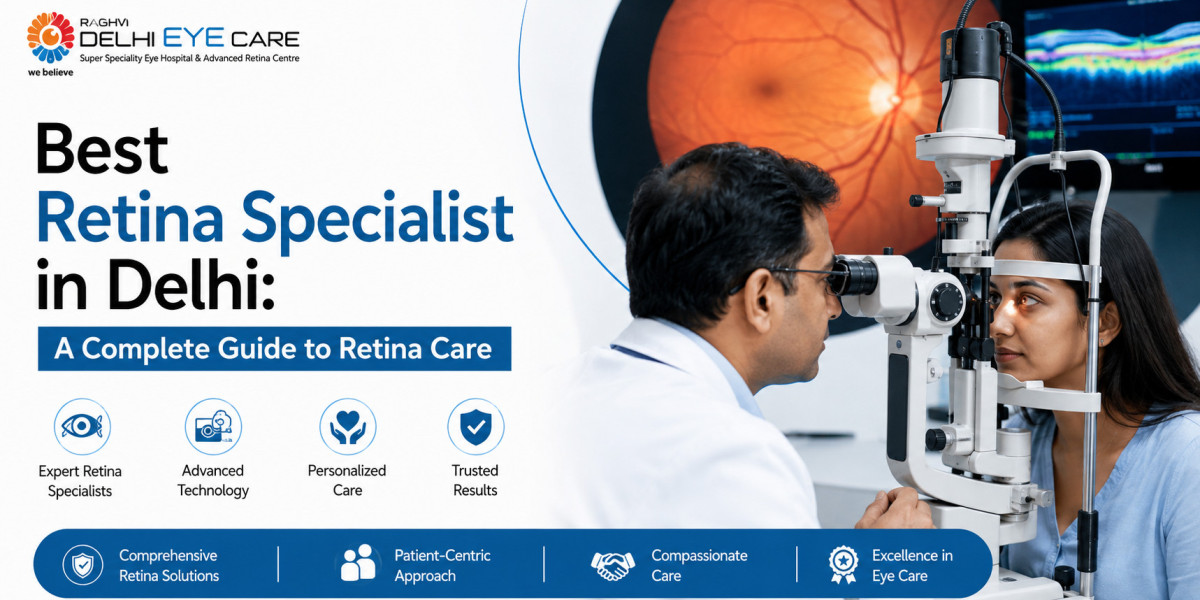

Problems such as sudden floaters, flashes, blurred vision, diabetic eye changes, or a dark shadow in your field of vision can sometimes indicate a retinal condition that needs prompt evaluation.
If you are searching for the Best Retina Specialist in Delhi, it is important to look beyond advertisements and consider the specialist's qualifications, clinical experience, diagnostic facilities, treatment options, and approach toward patient care. Retina conditions can be complex, so an accurate diagnosis and timely treatment can make an important difference to long-term vision.
What Does a Retina Specialist Do?
A retina specialist is an ophthalmologist with advanced training in diagnosing and treating diseases affecting the retina and vitreous—the structures at the back of the eye responsible for important aspects of vision.
Retina specialists manage both medical and surgical conditions. Depending on the diagnosis, treatment may include observation and monitoring, injections, laser procedures, or vitreoretinal surgery.
At Delhi Eye Care, Dr. Shashank Rai Gupta is a Vitreo-Retina Surgeon and Uveitis Specialist with more than 17 years of experience. His listed areas of expertise include diabetic retinopathy, diabetic vitrectomy, macular surgery, complex retinal detachments, uveitis, retinal laser procedures, intravitreal injections, and vitrectomy.
Common Retina Conditions That Need Attention
Retinal diseases can develop gradually or appear suddenly. Some common conditions treated by retina specialists include:
Diabetic Retinopathy
Diabetes can damage the small blood vessels supplying the retina. In its early stages, diabetic retinopathy may cause few or no noticeable symptoms. Regular retinal screening is therefore particularly important for people living with diabetes.
Depending on the condition, treatment can involve laser therapy, injections, or regular monitoring.
Retinal Detachment
Retinal detachment is a serious eye condition in which the retina separates from its normal position. Symptoms can include sudden flashes, a sudden increase in floaters, or a dark curtain or shadow moving across your vision.
Because retinal detachment can threaten sight, sudden symptoms should be assessed urgently by an eye specialist.
Macular Conditions
The macula is the central part of the retina responsible for detailed vision. Conditions affecting the macula can make reading, recognizing faces, or seeing fine details difficult.
Macular edema and age-related macular problems may require detailed imaging and, in suitable cases, intravitreal treatment.
Retinal Vein Occlusion
A blockage in a retinal vein can cause swelling and bleeding inside the eye, potentially affecting vision. Early assessment helps determine the severity and appropriate management.
Vitreous Hemorrhage
Bleeding into the vitreous can cause sudden floaters, shadows, or reduced vision. The underlying cause needs to be identified before treatment is planned.
Why Early Retina Diagnosis Matters
One of the biggest challenges with retinal disease is that symptoms may not always appear during the early stages.
A person can have retinal changes while still feeling that their vision is normal. This is particularly relevant to people with diabetes or other risk factors for retinal disease.
Delhi Eye Care's retina service emphasizes comprehensive retinal evaluation using diagnostic imaging and precision-guided treatment. Its listed diagnostic services include OCT, fundus photography, fluorescein angiography, and retinal mapping.
These investigations help the specialist understand what is happening inside the eye and develop an appropriate treatment plan.
Experience Matters When Choosing a Retina Specialist
Retinal treatment often involves delicate structures and may require highly specialized decision-making. Experience can therefore be an important factor when selecting a retina specialist.
According to Delhi Eye Care's published information, Dr. Shashank Rai Gupta has performed thousands of vitreoretinal surgeries and laser procedures. His professional background includes work as a Vitreo-Retina Consultant at Venu Eye Institute, Senior Consultant and Head of Vitreo-Retina at Vasan Eye Care Hospitals, and experience at other leading institutions.
The hospital's website also highlights more than 18 years of overall experience, 5,000+ retinal procedures, 1,000+ vitrectomy surgeries, and 10,000+ patients in its retina-related profile information.
These figures provide useful context when evaluating the clinical experience behind retina care.
Why Choose Delhi Eye Care for Retina Care?
Choosing a retina center is about more than having access to treatment. You want a team that takes time to understand your condition and explains what comes next.
Delhi Eye Care describes its clinical approach around comprehensive diagnosis, transparent communication, individualized treatment planning, and surgical intervention when medically indicated.
Here are some factors that make its retina care approach worth considering:
1. Dedicated Vitreo-Retina Expertise
Dr. Shashank Rai Gupta specializes in vitreoretinal surgery and uveitis management, with specific experience in complex retinal conditions, diabetic retinopathy, macular surgery, retinal detachment surgery, laser procedures, and intravitreal injections.
2. Advanced Retinal Imaging
A clear diagnosis is the foundation of effective retina treatment. Delhi Eye Care offers advanced retinal imaging, including OCT, fundus photography, fluorescein angiography, and retinal mapping.
3. Comprehensive Treatment Options
Retina care at the center includes diabetic retinopathy management, retinal detachment surgery, intravitreal injections, laser photocoagulation, and vitrectomy surgery.
Having multiple treatment options allows the specialist to select an approach based on the patient's diagnosis rather than using the same treatment for every condition.
4. Patient-Centered Communication
A retina diagnosis can understandably make patients nervous. Clear communication is therefore an important part of good medical care.
Delhi Eye Care states that its approach includes explaining findings and treatment options transparently, while considering conservative management when appropriate.
When Should You See a Retina Specialist?
Do not ignore sudden changes in your eyesight.
You should consider prompt retinal evaluation if you experience:
Sudden flashes of light
A sudden increase in floaters
A dark curtain or shadow in your vision
Sudden or unexplained vision loss
Distorted central vision
Persistent blurred vision
Diabetes with changes in eyesight
Sudden flashes, floaters, shadows, or vision loss can sometimes indicate an urgent retinal problem. In such situations, timely professional assessment is important.
People with diabetes should also have regular retinal examinations because diabetic retinal changes can develop before noticeable symptoms occur.
What Happens During a Retina Consultation?
A retina consultation generally begins with a detailed discussion about your symptoms, medical history, medications, diabetes status, previous eye treatments, and changes in vision.
The ophthalmologist may then perform a dilated eye examination and recommend imaging or other tests based on your symptoms.
Once the diagnosis is understood, the doctor can explain whether you need monitoring, medication or injections, laser treatment, surgery, or another form of management.
At Delhi Eye Care, the emphasis is on detailed evaluation followed by individualized treatment planning rather than automatically recommending surgery.
How Can You Protect Your Retinal Health?
You cannot prevent every retinal condition, but several habits can support long-term eye health.
If you have diabetes, maintaining good blood-sugar control and attending recommended retinal examinations are particularly important. You should also manage blood pressure and other health conditions according to your doctor's advice.
Regular comprehensive eye examinations can help identify problems before they become advanced. If you already have a diagnosed retinal condition, follow-up appointments should not be skipped simply because your vision feels stable.
Final Thoughts
Retinal problems deserve specialist attention because the retina is essential for clear and functional vision. Whether you are dealing with diabetic retinopathy, retinal detachment, macular disease, vitreous hemorrhage, or another retinal condition, an accurate diagnosis is the starting point for appropriate care.
When choosing a retina specialist, consider clinical experience, specialist training, diagnostic technology, treatment options, and transparent communication—not just online rankings or promotional claims.
Delhi Eye Care combines dedicated vitreoretinal expertise with advanced retinal imaging and a range of medical and surgical treatments. Its published credentials include more than 18 years of overall eye-care experience, while Dr. Shashank Rai Gupta brings more than 17 years of individual ophthalmic experience and specialized vitreoretinal expertise.
If you notice sudden flashes, new floaters, a shadow, or unexplained vision loss, don't wait for the symptoms to disappear on their own. A timely retinal examination can help identify the cause and determine the appropriate next step.
Frequently Asked Questions
1. What symptoms require urgent retina examination?
Sudden flashes, floaters, shadows, or unexplained vision loss require prompt evaluation.
2. Can diabetes permanently damage the retina?
Yes, uncontrolled diabetes can cause progressive retinal damage and vision loss.
3. What tests are used for retina diagnosis?
OCT, fundus photography, angiography, and retinal mapping can assist diagnosis.
4. Can retinal detachment be treated successfully?
Treatment depends on the detachment, severity, location, and how quickly care begins.
5. How often should diabetic patients get retinal screening?
Screening frequency depends on diabetes control and the ophthalmologist's clinical assessment.