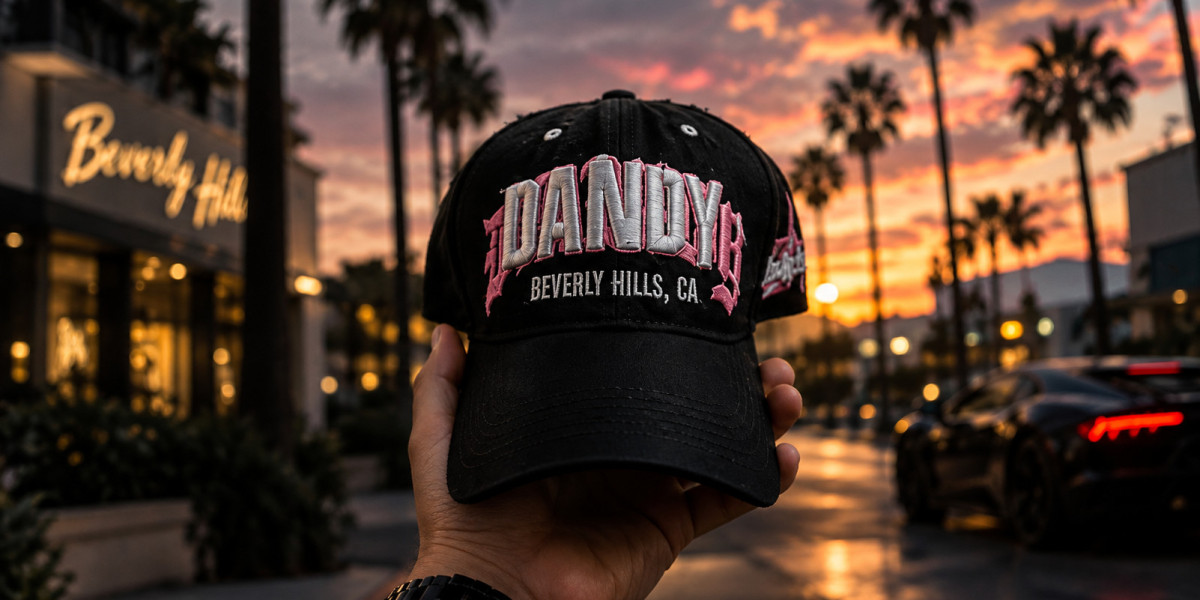

When a Cap Becomes a Cultural Stamp
Most brands slap a name on a cap and call it a collaboration. Dandy Hats doesn't work that way, and that difference shows up the moment you hold one of their collab pieces next to a generic artist merch item. The stitching is tighter, the design carries actual intent, and the color story connects to something real about the artist it represents. That's not an accident. It's the result of a brand that built its entire identity around meaningful design before any big name ever got attached to it. Dandy Hats spent years earning credibility inside Mexican streetwear before expanding into artist territory, and that foundation is exactly what makes their collaborations land differently than a quick cash-in drop. The corridos tumbados and regional Mexican music scenes grew fast over the last several years, pulling millions of younger fans into a world where music, fashion, and identity overlap in ways that older genre communities never quite managed. Dandy Hats recognized that overlap early and started building toward it with purpose. Fans of artists like Fuerza Regida or Junior H don't just want a cap with a logo, they want something that feels like it belongs in that world, something that reflects the attitude and the aesthetic they connect with through the music. A brand that understands that distinction is in a completely different conversation from one that just licenses a name and calls it done. That's the starting point for understanding why Dandy Hats collaborations consistently generate real buzz rather than just a quick sell-through and immediate silence.
How Dandy Hats Picks Its Partners
Choosing who to collaborate with is probably the most important decision a cap brand can make, and it's also where most brands get it wrong. Dandy Hats has shown a clear pattern across its collab history, partnering with artists and figures who already carry genuine cultural weight in spaces the brand's audience actually cares about. Fuerza Regida, Junior H, Sad Boyz II, and Lil Baby aren't random names pulled from a popularity chart. Each of them represents a specific lane within Mexican and Latin urban culture, and each collaboration reflects something about what that artist actually stands for. Canelo Álvarez is another strong example of this thinking. He's not a musician, but he carries a kind of national pride and grit that connects deeply with the same audience buying streetwear caps, and the Dandy Hats x Canelo drop plays into that energy rather than ignoring it. The Lost Hills collaboration follows a similar logic, tapping into a community identity that goes far beyond just music. What you're seeing with each of these choices is a brand doing real research into cultural fit before any contract gets signed. In my experience watching streetwear brands come and go, the ones that treat collaborations as a cultural conversation rather than a business transaction are the ones that build lasting credibility. Dandy Hats fits that pattern. They're not chasing whoever has the biggest streaming numbers this month, they're building relationships with artists and figures whose audiences share a genuine overlap with the brand's existing community. That kind of selectivity is harder to maintain as a brand grows, but it's also what keeps collab releases feeling exciting rather than predictable.
Six Things That Make a Dandy Hats Collab Different From Basic Artist Merch
Not all collaboration caps are created equal, and the differences show up in ways you might not notice until you've bought a few from different brands.
Design co-creation. Each Dandy Hats collab draws from the artist's visual world instead of just borrowing a name, meaning the embroidery, color palette, and overall design concept connects to something specific about that artist.
3D embroidery over flat printing. Raised stitching takes longer to produce and costs more per unit, but it signals quality immediately to anyone who picks the cap up and runs a finger across the logo.
Structured crown construction. The cap itself is built to hold shape over time, not just look good in a flat-lay photo for a few weeks before losing its form.
Limited batch sizing. Collab drops ship in controlled quantities, which means you're less likely to see the same design on ten people at the same show.
Artist-specific colorways. Colors aren't generic streetwear defaults, they connect to album artwork, tour visuals, or other design choices already tied to the artist's identity.
Snapback adjustability. Talla única with a properly built snapback closure means the cap fits most adults without compromising the silhouette the design was built around.
Each of these points sounds small on its own, but together they add up to a product that holds up over years instead of months, and that resale buyers value significantly higher than mass-produced concert merch.
The Fuerza Regida Drop and Why It Hit So Hard
Some collaborations make sense on paper and still fall flat in execution. The Dandy Hats x Fuerza Regida collection wasn't one of them. Fuerza Regida built their entire brand on unapologetic authenticity, an attitude that runs through their music, their visuals, and the way their fanbase identifies with them. Dandy Hats matched that energy in the cap designs rather than softening it for a broader audience, and buyers noticed. The Distressed model from that collab, for example, uses a worn-in aesthetic that's harder to execute well than it looks. Getting distressing to look intentional instead of cheap requires tight quality control at the production level, and a cap that misses that mark just looks damaged rather than styled. The Fuerza Crystals snapback takes a completely different approach, leaning into a more ornate finish that contrasts with the rawness of the group's sound in an interesting way. That range within a single collab is worth paying attention to because it shows that the design process wasn't following a single template. Multiple moods, multiple aesthetics, all tied back to the same artist. That's a harder brief to execute than releasing one design and calling it a day. The FR Dandy model is the one I'd personally pick out of the Fuerza Regida line, because it balances the brand's identity with the artist's without one overshadowing the other. That balance is exactly the kind of thing that makes a collab age well instead of feeling dated within a year. The Fuerza Regida drop also moved fast at release, which tells you the brand had built enough trust with buyers that people didn't need long to decide.
What to Look for When You're Buying a Collab Cap
Buying a collaboration cap is a slightly different decision than buying a regular release, and it helps to have a clear checklist before you commit.
Check whether the design actually connects to the artist's visual identity or just adds a logo to a generic cap shape.
Look at the embroidery quality in product photos, specifically whether you can see raised texture or if everything looks flat and printed.
Compare the colorways to other visual materials from that artist, album covers, tour merch, and social content, to see if the color story is intentional.
Read the product description for material and construction details, a brand confident in its build quality usually lists specifics rather than vague language.
Consider how limited the batch is before you decide to wait, collab drops from brands like Dandy Hats don't always come back once they sell through.
Think about how the cap fits into your current rotation, buying a collab because of hype alone almost always leads to a piece you barely reach for after the first few weeks.
Following this list takes maybe five extra minutes before checkout, but it's the difference between a cap that earns a permanent spot in your rotation and one that ends up in a bag you drop at a thrift store. I've skipped this checklist before on impulse buys and paid for it, so it's worth the habit.
Canelo Álvarez and the Caps That Cross Into Sports Culture
The Dandy Hats x Canelo Álvarez collaboration is worth its own conversation because it does something the music collabs don't. Sports culture and streetwear culture have always had a complicated relationship, mostly because athlete collaborations tend to feel corporate in a way that music collabs don't. Canelo breaks that pattern for a specific reason. He's not just a successful boxer, he's a symbol of Mexican pride, discipline, and a particular kind of earned toughness that resonates deeply with the same audience that follows corridos artists and buys streetwear caps. The WBC-themed colorways in the Dandy Hats x Canelo collection pull from championship boxing imagery rather than general sports branding, which gives the designs a specificity that most athlete collabs lack. Green and gold with championship belt details is a narrow visual lane, but it's an instantly recognizable one for anyone who follows the sport. That specificity is what keeps the cap feeling culturally connected rather than like a generic athlete endorsement. The collaboration also expands the brand's reach in an interesting direction, pulling in buyers who might not follow the corridos tumbados scene but feel a strong connection to Canelo's story and what it represents. For Dandy Hats, that crossover matters because it shows the brand can move across different corners of Mexican culture without losing the authenticity that defines its core identity. A brand that can do that scales without diluting itself, which is a much harder thing to pull off than it sounds.
The Role of Limited Drops in Keeping Collaborations Meaningful
There's a version of this that goes wrong fast. A brand gets momentum, starts doing collaborations with bigger and bigger names, and then floods the market to capture as much revenue as possible. The designs stop feeling special because they're everywhere, and the resale value drops, and eventually the brand loses the community trust that made the collabs worth paying attention to in the first place. Dandy Hats has, so far, avoided that pattern by keeping collab drops controlled in size. Named drops with specific titles, limited batch counts, and no guarantee of restock create a rhythm where buyers stay engaged with what's coming next rather than assuming they can grab something any time they want. That urgency is real for the buyer and useful for the brand, but it only works if the product behind it actually delivers. A limited drop of a poorly made cap just creates disappointed buyers who don't come back. The scarcity model only reinforces brand value when the underlying quality justifies the attention, and that's where construction details like 3D embroidery, structured crowns, and properly fitted snapback closures earn their place. The Dandy Hats collection approach of organizing around drops and named collections also makes the catalog easier to navigate for someone building a rotation. Instead of scrolling through hundreds of undifferentiated products, you can find the collab that fits your taste and decide from there. That organizational clarity is a small thing but it reflects a brand that's thinking about the buyer experience rather than just inventory management. Keeping drops limited and meaningful isn't just a marketing tactic, it's a commitment to treating each release as something worth the buyer's attention.
Where Dandy Hats Collaborations Go From Here
Predicting where any brand goes next in streetwear is a risky move, the scene shifts faster than most trends analysts give it credit for. Still, the pattern Dandy Hats has built over its collab history suggests a few directions that fit naturally. The regional Mexican and corridos tumbados scenes keep expanding internationally, and as artists from that world grow their audiences beyond Mexico and the US Southwest, the demand for authentic associated merchandise will grow with them. A brand with established collab credibility in that space is well positioned to follow that growth without chasing it awkwardly. There's also a logical next step toward collaborations that cross into other creative fields beyond music and sports. Visual artists, tattoo culture, film projects, and regional identity campaigns all share audience overlap with the brand's existing community. Any of those directions could produce collab drops that feel as culturally grounded as the Fuerza Regida or Canelo collections without simply repeating a formula that's already working. The honest limitation here is that sustained collab quality is hard to maintain as a brand's ambitions grow. More partnerships mean more decisions, more production pressure, and more chances for a drop to feel rushed or disconnected from the artist's real identity. Staying selective is the only way to keep the collaborations meaningful, and that requires resisting the revenue pressure that comes with growing demand. Whether Dandy Hats manages that balance over the next few years will determine whether the collab drops stay as culturally sharp as they've been so far. The foundation they've built suggests they understand the stakes, but this is where the real test starts.
Final Words
Dandy Hats collaborations work because they're built on a clear understanding of what fans actually want from a cap tied to an artist or cultural figure they respect. The design specificity, the construction quality, the controlled drops, and the careful partner selection all point to a brand that treats each collaboration as a real creative project rather than an inventory strategy. That approach is harder to maintain than it looks from the outside, but it's also what separates a brand that buyers follow for years from one that rides a single wave and disappears. If you're buying a Dandy Hats collab for the first time, pay attention to the design details and the story behind the artist connection, because that's where the real value sits.
FAQs
Q: Are Dandy Hats collaboration caps officially authorized by the artists?
A: Yes, the collab pieces are produced with real partnerships rather than unofficial artist imagery, which is part of why the design quality matches the artists' actual visual identities.
Q: Do Dandy Hats collab drops get restocked after selling out?
A: Usually not. The brand operates on a limited-drop model, so once a collab sells through, restocks are rare and not guaranteed.
Q: Which Dandy Hats collab is the most popular?
A: The Fuerza Regida collection consistently generates strong demand, likely because of the deep overlap between the group's fanbase and the brand's core streetwear audience.
Q: Can I buy Dandy Hats collaboration caps outside of Mexico?
A: Yes, the store ships worldwide, so international buyers can order directly from the site.
Q: How do I know a Dandy Hats collab cap is authentic?
A: Buying directly from the official store is the safest route. Raised 3D embroidery, a structured crown, and a clean snapback closure are also physical signs of a genuine piece.