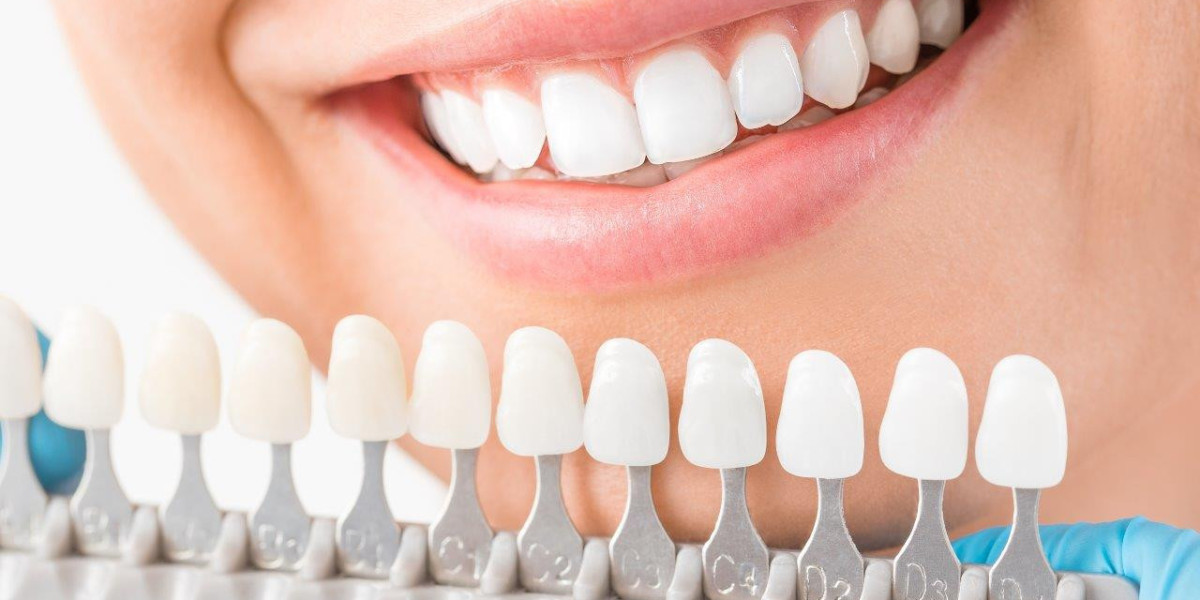

A balanced smile is influenced by more than the colour and shape of the teeth. Before veneer treatment, dentists assess how individual teeth relate to one another and how the smile fits with the lips, gums, facial features, and overall appearance. This evaluation helps create a treatment plan that is tailored to the patient rather than simply applying the same tooth shape to every smile.
When considering Veneers Dubai, understanding smile proportion can help patients know what happens during the consultation and why detailed assessment is an important part of planning. At Cornerstone, the evaluation can consider tooth dimensions, alignment, symmetry, facial proportions, gum display, and the way the teeth appear when smiling and speaking.
What Does Smile Proportion Mean?
Smile proportion refers to the visual relationship between different elements of the smile. This includes the width and height of the teeth, their position within the dental arch, the relationship between neighbouring teeth, and how the teeth interact with the lips and gums.
A smile can appear harmonious when these elements work together naturally. For example, the central front teeth generally have a strong influence on the overall appearance because they are highly visible when a person smiles. Their proportions can also affect how the surrounding teeth are perceived.
Smile proportion does not mean that every tooth needs to have identical dimensions. Natural smiles contain subtle differences in tooth shape and size. A personalised assessment considers these differences while aiming for an appearance that complements the individual.
Why Is Proportion Evaluated Before Veneer Treatment?
Veneers are designed to change the visible appearance of teeth, so planning begins with understanding the existing smile. Looking only at individual teeth may not provide enough information to determine how the final result should look.
During an assessment, the dentist may consider:
- The width and height of visible teeth
- The relationship between upper and lower teeth
- The position of the dental midline
- Tooth alignment and spacing
- Gum contours and visible gum tissue
- Lip position during smiling
- Facial symmetry and proportions
- The shape of the dental arch
- Tooth position when speaking and resting
- Existing restorations or dental work
These factors provide a broader picture of the smile and help guide veneer design.
How Are Tooth Dimensions Assessed?
One of the basic elements of smile analysis is examining tooth dimensions. Dentists look at the height, width, shape, and relative proportions of visible teeth.
The front teeth often receive particular attention because they contribute significantly to smile aesthetics. However, the assessment does not focus exclusively on the two central teeth. The surrounding teeth also influence the overall transition across the smile.
For example, if one tooth appears significantly wider or narrower than its neighbours, changing only that tooth may create a noticeable difference. A comprehensive evaluation considers how the teeth relate as a group.
The dentist may use measurements, photographs, digital records, or other assessment methods to understand these relationships before developing a veneer plan.
How Does Facial Proportion Influence Smile Planning?
Teeth are part of the face, so their appearance is not considered separately from facial features. The dentist may assess the relationship between the smile and broader facial characteristics.
The facial midline can be considered alongside the dental midline, while the overall shape of the face may provide useful information when discussing tooth contours. Someone with softer facial features may prefer different tooth contours from someone whose facial features have stronger angles.
This does not mean that a specific face shape automatically determines one veneer design. Instead, facial proportions provide additional context that can help the dentist create a more individualised plan.
What Role Does the Dental Midline Play?
The dental midline is the vertical reference point between the upper central front teeth. Its relationship with the facial midline can be examined during smile assessment.
A dentist may look at whether the dental midline appears centred in relation to other facial features and how the surrounding teeth are positioned. Small differences can sometimes be naturally present, so the evaluation considers the complete smile rather than attempting to create mathematical symmetry at all costs.
The position of the midline can also influence how the width and shape of adjacent teeth are perceived.
How Is Tooth Shape Considered?
Tooth shape is another important component of veneer planning. Teeth can have rounded, square, tapered, or combinations of different contours.
The dentist may examine the existing tooth shape and discuss how it relates to the patient's smile and facial characteristics. The aim is to determine an appropriate design rather than choosing a generic shape.
The edges and contours of the teeth may also be considered. These details can influence how light reflects from the veneers and how the smile appears from different angles.
Why Is Lip Position Important?
The lips provide the frame around the teeth, making their position an important part of smile analysis. Dentists may observe the lips while the patient is smiling naturally, speaking, or resting.
The amount of tooth structure visible at rest and during a smile can provide useful information for treatment planning. Lip movement may also influence how much of the veneers will be visible during different expressions.
Considering the lips helps ensure that veneer planning is based on the patient's natural smile rather than a static image of the teeth alone.
How Are Gum Proportions Evaluated?
The relationship between the teeth and gums can also affect smile balance. Dentists may examine the gum line, gum contours, and the amount of gum tissue visible during smiling.
The position of the gum margins around the front teeth can influence the apparent height of the teeth. For this reason, the dentist may assess whether the gum contours appear symmetrical and how they relate to the tooth shapes.
This information can help determine appropriate veneer dimensions and contours.
How Does Tooth Alignment Affect Proportion?
Tooth alignment is closely connected to visual proportion. Teeth that are rotated, crowded, or positioned differently can appear larger or smaller depending on their angle and relationship to neighbouring teeth.
During consultation, the dentist evaluates the current alignment and spacing. This allows the veneer plan to account for the position of each tooth rather than assessing dimensions in isolation.
In some cases, the existing position of the teeth may influence the amount of reshaping or preparation considered during treatment planning.
Are Digital Photos Used During Smile Assessment?
Photography can be a useful part of a detailed dental consultation. Different views can show aspects of the smile that may not be obvious when looking at the teeth directly.
Photographs may include relaxed facial views, natural smiles, close-up views, and other angles. These images allow the dentist to examine tooth proportions, lip position, gum display, symmetry, and the relationship between the smile and facial features.
Digital records can also provide a reference when discussing potential veneer designs.
Can Digital Smile Planning Help?
Digital smile planning may be used to help visualise potential changes before treatment. Depending on the clinical approach, digital photographs and measurements can be used to explore tooth proportions, contours, and overall smile design.
This can make communication between the patient and dentist more straightforward. Instead of discussing tooth dimensions only in technical terms, the patient may be able to see how proposed changes could affect the overall smile.
Digital planning is generally used as a planning and communication aid. The final design still needs to be considered alongside the patient's dental examination and clinical requirements.
How Are Upper and Lower Teeth Considered Together?
Smile proportion is not limited to the upper front teeth. The relationship between the upper and lower teeth may also be assessed.
The dentist may consider how the teeth meet when the mouth closes, the visibility of the lower teeth during smiling, and the relationship between the two dental arches.
This broader assessment helps create a treatment plan that considers the complete smile rather than focusing on one visible area.
How Does Symmetry Influence Veneer Design?
Symmetry can contribute to the perception of a balanced smile, but natural smiles are not perfectly identical from one side to the other. Dentists therefore consider both symmetry and individuality.
The central teeth may be compared with each other, while the left and right sides of the smile can also be evaluated. The dentist may examine differences in tooth position, shape, gum contours, and spacing.
The goal is to understand the existing pattern and determine how veneer design can work within it.
How Are Veneer Proportions Selected?
Once the smile assessment is complete, the dentist can begin developing a veneer design based on the patient's existing anatomy and desired appearance.
The planning process may consider:
- Tooth width and height
- Facial proportions
- Smile width
- Dental midline
- Gum contours
- Lip position
- Tooth alignment
- Tooth shape and contour
- The relationship between neighbouring teeth
- The appearance of the complete smile
These factors are considered together rather than individually. This helps establish a design that fits the patient's particular smile.
What Should Patients Discuss During the Consultation?
Patients can make the consultation more productive by explaining what they would like to change about their smile. Some people may be interested in tooth shape, while others may focus on spacing, proportions, or the overall appearance of their smile.
It can also be useful to discuss whether the desired result should look subtle and natural or have a more noticeable cosmetic appearance.
The dentist can then explain which aspects of the smile can be addressed with veneers and how the proposed design relates to the patient's existing teeth.
Understanding Veneers Cost in Dubai
The cost of veneer treatment can vary depending on several factors, including the number of teeth being treated, the type of veneers selected, the complexity of the treatment plan, and the laboratory or materials involved.
For this reason, Veneers Cost in Dubai is generally best discussed after an individual consultation. A personalised assessment allows the dentist to determine the scope of treatment before providing information about the expected cost.
Patients should consider both the treatment requirements and the proposed veneer design when discussing pricing.
Why Is Individual Smile Assessment Important?
Every smile has its own combination of tooth dimensions, alignment, gum contours, lip movement, and facial proportions. A treatment approach based only on a standard tooth template may not account for these differences.
A detailed smile assessment gives the dentist an opportunity to understand the existing smile before developing a veneer design. It also gives the patient an opportunity to discuss preferences and understand how those preferences relate to their natural features.
This planning stage can therefore be an important part of creating a cohesive treatment approach.
Conclusion
Smile proportion is an important consideration when planning veneers because the appearance of individual teeth is closely connected to the rest of the smile and face. During a consultation for Veneers Dubai, dentists may evaluate tooth dimensions, shape, alignment, dental midline, gum contours, lip position, facial proportions, and the relationship between the upper and lower teeth.
At Cornerstone, a detailed assessment can help establish a personalised veneer plan based on the patient's existing smile and aesthetic preferences. Understanding how these factors are evaluated can help patients approach their consultation with clearer expectations and a better understanding of the veneer planning process.
FAQs
What is smile proportion in veneer treatment?
Smile proportion describes how the teeth relate to each other and to surrounding features such as the lips, gums, dental arches, and face.
Why is smile proportion evaluated before veneers?
It helps the dentist understand the existing smile and develop veneer dimensions and contours that work with the patient's individual features.
Does facial shape affect veneer planning?
Facial proportions can provide useful context when considering tooth shape and overall smile design, although they do not determine one fixed veneer style.
Are all teeth made the same size with veneers?
No. Natural teeth have differences in size and shape. Veneer planning can account for these variations while creating a balanced overall appearance.
What is the dental midline?
The dental midline is the vertical reference between the upper central front teeth. Its relationship with the facial midline may be considered during smile assessment.
Are gums considered when planning veneers?
Yes. Gum contours and the amount of gum visible during smiling can influence the perceived proportions of the teeth.
Does lip movement matter when planning veneers?
Yes. Dentists may observe the lips at rest, during smiling, and while speaking to understand how much of the teeth will be visible in different situations.
Can photographs help evaluate smile proportion?
Yes. Dental and facial photographs can help the dentist assess tooth dimensions, symmetry, gum display, lip position, and the relationship between the smile and facial features.
Is digital smile planning used for veneers?
Digital planning may be used to visualise potential tooth shapes and proportions and to support communication between the dentist and patient.
How does tooth alignment affect veneer proportions?
The position and angle of a tooth can affect how wide or narrow it appears. Alignment is therefore considered when developing the veneer design.
What factors influence Veneers Cost in Dubai?
The cost may depend on the number of veneers, material selected, treatment complexity, laboratory requirements, and the individual treatment plan.
How many teeth need veneers for a balanced smile?
The number varies between patients. It depends on which teeth are visible when smiling and what changes are being planned. The dentist can determine the appropriate number during consultation.
Can veneer design be personalised?
Yes. Veneer design can be tailored to tooth proportions, facial characteristics, smile preferences, and the existing dental structure.
What happens during a veneer consultation?
The dentist typically reviews dental history, examines the teeth and gums, evaluates the smile, discusses aesthetic preferences, and develops a treatment plan based on the assessment.
Why is a complete smile assessment better than examining one tooth?
A smile is made up of multiple interacting elements. Assessing the complete smile helps the dentist understand how changes to individual teeth may relate to the surrounding teeth, gums, lips, and facial features.