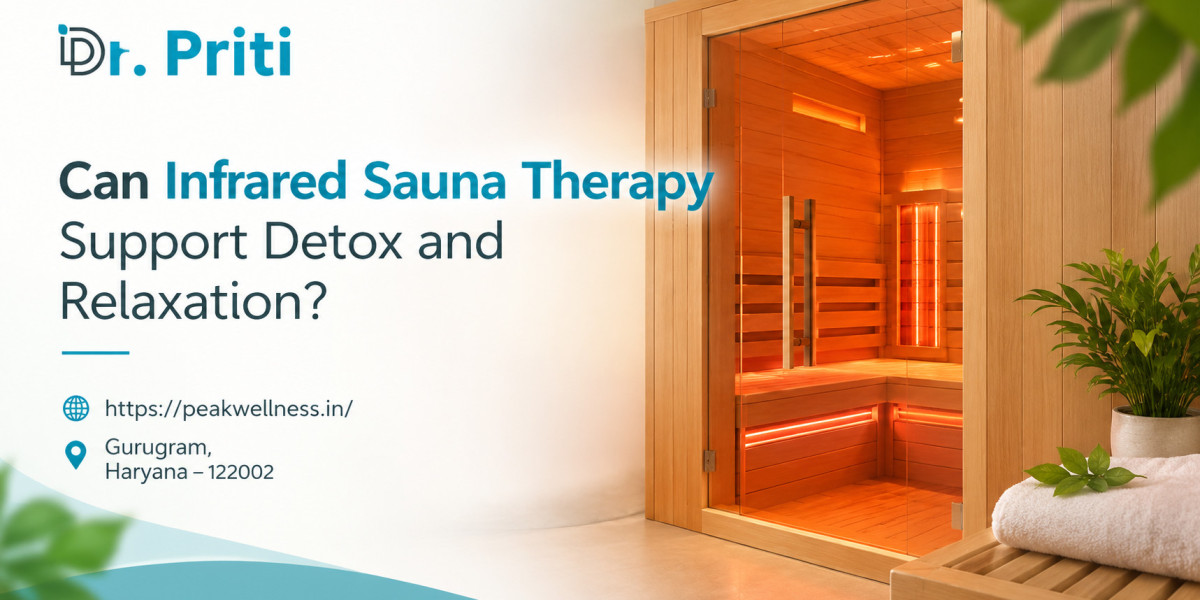

This is one reason heat-based wellness therapies have become increasingly popular.
Infrared sauna therapy provides controlled warmth that encourages sweating while creating a calm environment for relaxation. At Peak Wellness, the therapy is considered as part of a broader functional wellness approach rather than as a standalone solution. Individual comfort, health goals and suitability are considered before therapy.
What Is Infrared Sauna Therapy?
Unlike a traditional sauna, an infrared sauna uses infrared wavelengths to warm the body more directly rather than simply heating the surrounding air.
Peak Wellness uses near, mid and far infrared wavelengths as part of its sauna therapy approach. Sessions are generally adjusted according to individual comfort and tolerance.
The warmth can:
Encourage natural sweating
Create a relaxing heat experience
Support a feeling of muscle relaxation
Promote circulation
Provide dedicated time away from daily stress
For people considering Infrared Sauna Therapy in Gurugram, it is important to understand that sauna therapy is a supportive wellness practice, not a replacement for medical treatment, balanced nutrition, exercise or adequate sleep.
Can Infrared Sauna Support Detox?
“Detox” is one of the most commonly associated terms with sauna therapy. However, it is important to understand what that means realistically.
Sweating is one of the body's natural cooling mechanisms. When body temperature rises, sweat helps the body release heat. Sauna therapy can therefore encourage sweating, but it should not be presented as a cure-all detox treatment.
The liver and kidneys remain the body's major organs involved in processing and eliminating many substances.
A healthy approach to supporting the body's natural processes includes:
Drinking adequate water
Eating a balanced, nutrient-rich diet
Getting regular physical activity
Maintaining healthy sleep habits
Managing daily stress
Supporting overall metabolic health
Infrared sauna therapy can be included alongside these habits as part of a broader wellness routine.
How Can Infrared Sauna Support Relaxation?
Relaxation is one of the most noticeable reasons people enjoy sauna therapy.
The gentle heat may help create a sense of physical comfort, particularly when the body feels tense after a long day. Spending uninterrupted time in a quiet environment can also provide a mental break from work, screens and everyday responsibilities.
A sauna session may help you:
Slow down mentally
Relax after a demanding day
Feel more comfortable in tense muscles
Take dedicated time for yourself
Create a calming wellness routine
At Peak Wellness, sauna sessions are designed around individual comfort, with temperature and duration adjusted according to the person's tolerance and suitability.
Can Infrared Sauna Support Recovery?
Heat-based therapies are often included in recovery and wellness routines because warmth can promote a relaxed feeling and support circulation.
People who exercise regularly may enjoy sauna sessions as part of their post-workout relaxation routine. However, sauna therapy should complement not replace the fundamentals of recovery.
These include:
Adequate sleep
Proper hydration
Balanced nutrition
Sufficient protein intake
Appropriate physical activity
Rest between demanding workouts
If you experience persistent pain or an injury, it is better to seek appropriate medical evaluation rather than relying on sauna therapy alone.
What Happens During an Infrared Sauna Session?
For a first-time user, the process is relatively simple.
You enter a private sauna environment where the temperature can be adjusted according to your comfort. As the body gradually warms, sweating may increase.
A typical session can involve:
Pre-session assessment – Your suitability and comfort requirements are considered.
Temperature adjustment – The heat level can be adapted to your tolerance.
Relaxation period – You remain in the sauna while your body gradually warms.
Hydration – Water intake before and after the session is encouraged.
Cool-down – Allow your body to return gradually to its normal temperature.
Peak Wellness describes infrared sauna sessions of approximately 30–45 minutes, although the appropriate duration can vary depending on the individual.
Who Should Be Careful With Sauna Therapy?
Infrared sauna therapy is not necessarily suitable for everyone.
Extra caution may be appropriate for people with:
Certain heart or cardiovascular conditions
Significant heat sensitivity
Dehydration
A tendency toward dizziness or fainting
Certain medical conditions or medications that affect temperature regulation
If you have an existing medical condition or are unsure whether sauna therapy is appropriate for you, professional medical guidance should be considered before starting sessions.
During a session, stop if you experience significant discomfort, dizziness, nausea, unusual weakness or difficulty breathing.
Simple Tips Before and After Your Session
To make your sauna experience more comfortable:
Drink water before the session.
Avoid heavy meals immediately beforehand.
Wear comfortable clothing as advised.
Start with a manageable temperature.
Do not stay longer simply because you think more heat means better results.
Drink water after the session.
Allow yourself time to cool down.
Pay attention to how your body feels.
These simple habits can make sauna therapy a more comfortable and sustainable part of your wellness routine.
Why Choose Peak Wellness?
Peak Wellness takes a broader approach to wellness by combining functional medicine principles with personalised lifestyle and supportive therapies.
The approach focuses on understanding individual health needs instead of assuming that the same therapy is appropriate for everyone.
Key aspects include:
Personalised approach: Therapy can be considered according to individual wellness goals.
Suitability assessment: Your comfort and health considerations are taken into account.
Functional wellness approach: Infrared sauna therapy can be considered alongside nutrition and lifestyle strategies.
Advanced wellness therapies: Peak Wellness offers several complementary therapies within its broader wellness programme.
Professional guidance: The centre is led by Dr. Priti Nanda Sibal, with a focus on functional and integrative wellness.
Comfort-focused sessions: The sauna environment is designed to provide a private and relaxing experience.
This approach makes the therapy more than simply spending time in a heated environment. It allows sauna therapy to be considered within a person's wider wellness goals.
Final Thoughts
Infrared sauna therapy can be a relaxing addition to a healthy lifestyle. Controlled heat and sweating may help create a sense of relaxation, while the quiet environment provides valuable time to slow down and recover from everyday stress.
However, it is important to maintain realistic expectations. Sauna therapy does not replace medical care, proper nutrition, hydration, exercise or healthy sleep.
For people exploring Infrared Sauna Therapy in Gurugram, Peak Wellness offers a personalised environment where sauna therapy can be considered alongside broader functional wellness goals.
The focus should not be on tolerating the highest temperature or staying inside for the longest time. Instead, the goal is to find an approach that feels comfortable, sustainable and appropriate for your individual needs.
Short FAQs
1. Does infrared sauna make you sweat?
Yes, infrared heat can encourage natural sweating.
2. Can infrared sauna help with relaxation?
Yes, warmth may promote relaxation and physical comfort.
3. Does infrared sauna detox the body?
It encourages sweating, while the liver and kidneys handle detoxification.
4. How long is an infrared sauna session?
Sessions can commonly last around 30–45 minutes.
5. Should I drink water after sauna therapy?
Yes, hydration helps replace fluids lost through sweating.